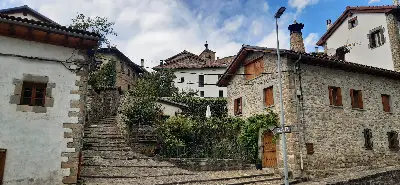
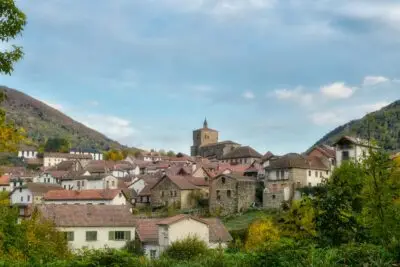
The Casa Museo Julián Gayarre is one of the most interesting cultural visits in the Navarrese Pyrenees. Located in the small village of Roncal, this museum offers visitors a chance to discover the life, career, and personal story of Julián Gayarre, one of the most celebrated opera singers of the 19th century.
For anyone exploring the Roncal Valley, the museum is more than just a historic house. It is a place that connects music, local heritage, and the memory of a man who rose from a rural mountain village to the great opera stages of Europe.
Who Was Julián Gayarre?
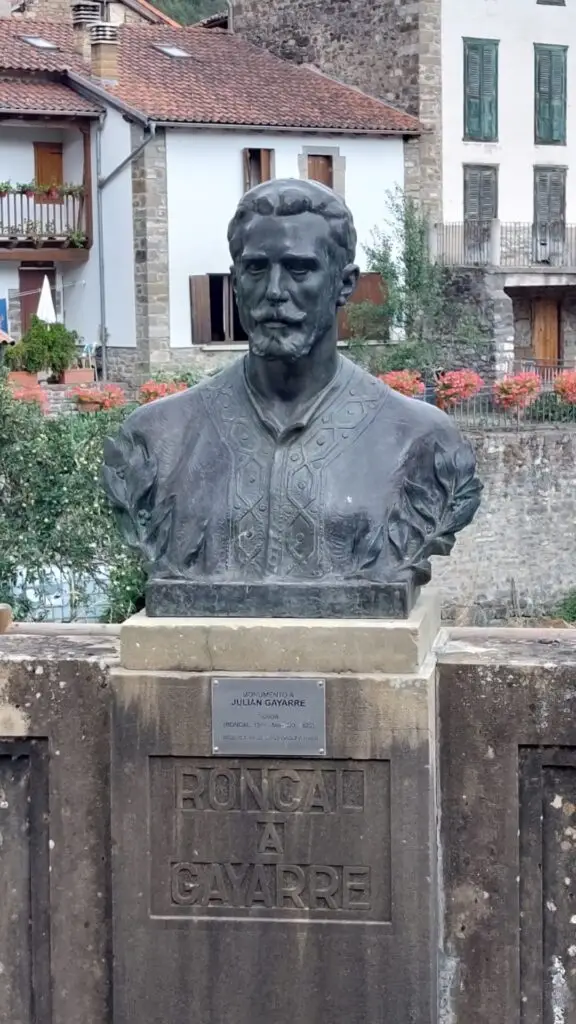
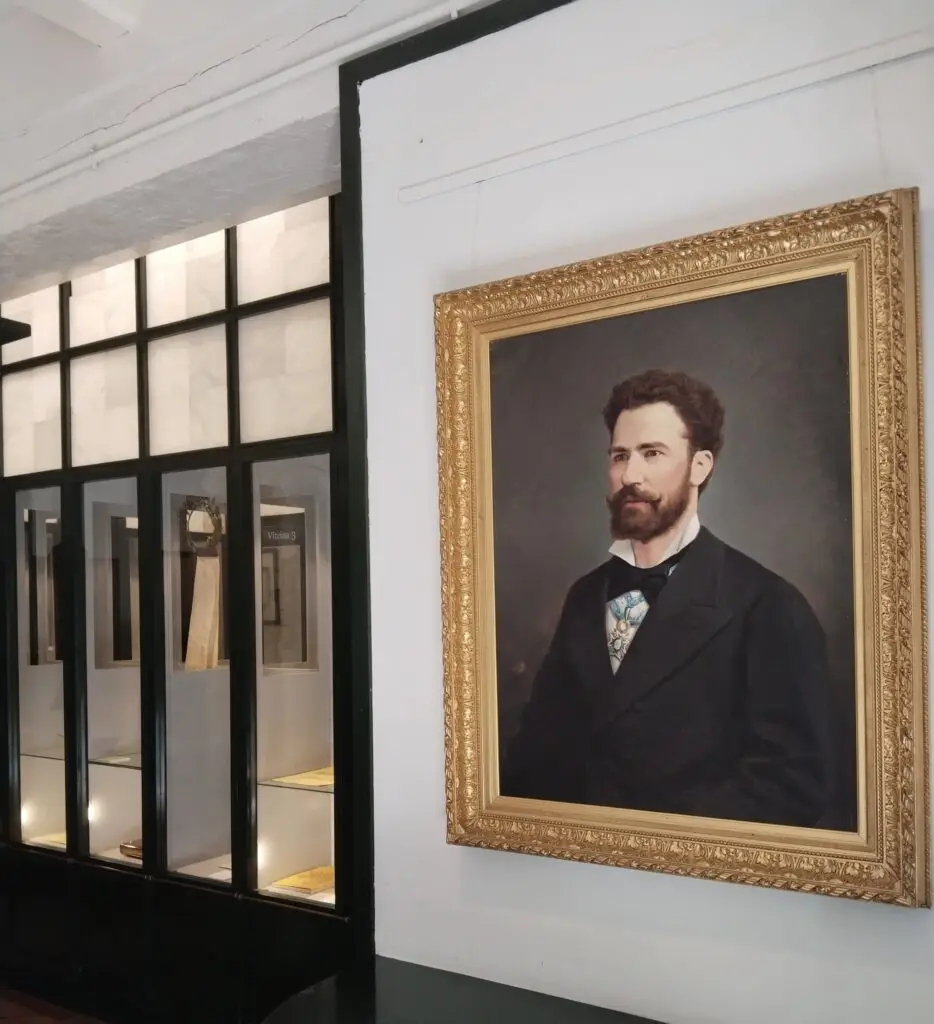
A famous tenor from Roncal
Julián Gayarre was born in 1844 in Roncal, in the north of Navarra. He came from a humble background, and his early life was far removed from the prestigious opera houses where he would later perform. His journey from a small Pyrenean village to international fame is one of the reasons he remains such an admired figure in Spanish cultural history.
Gayarre became known as one of the finest tenors of his time. His voice, expressive style, and stage presence earned him great success in major European cities, including Madrid, Milan, Vienna, Paris, and London. During the second half of the 19th century, he built a reputation as an outstanding interpreter of both Italian and French opera.
His artistic importance
Julián Gayarre is often remembered not only for his technical talent, but also for the emotional quality of his singing. Critics and audiences praised the beauty of his voice and his ability to bring intensity to each performance. Although no recordings of his voice exist, his fame was so great that his name became part of Spanish musical history.
His career was cut short by health problems, and he died in 1890, but his legacy has remained strong, especially in Navarra, where he is still one of the region’s most important cultural figures.
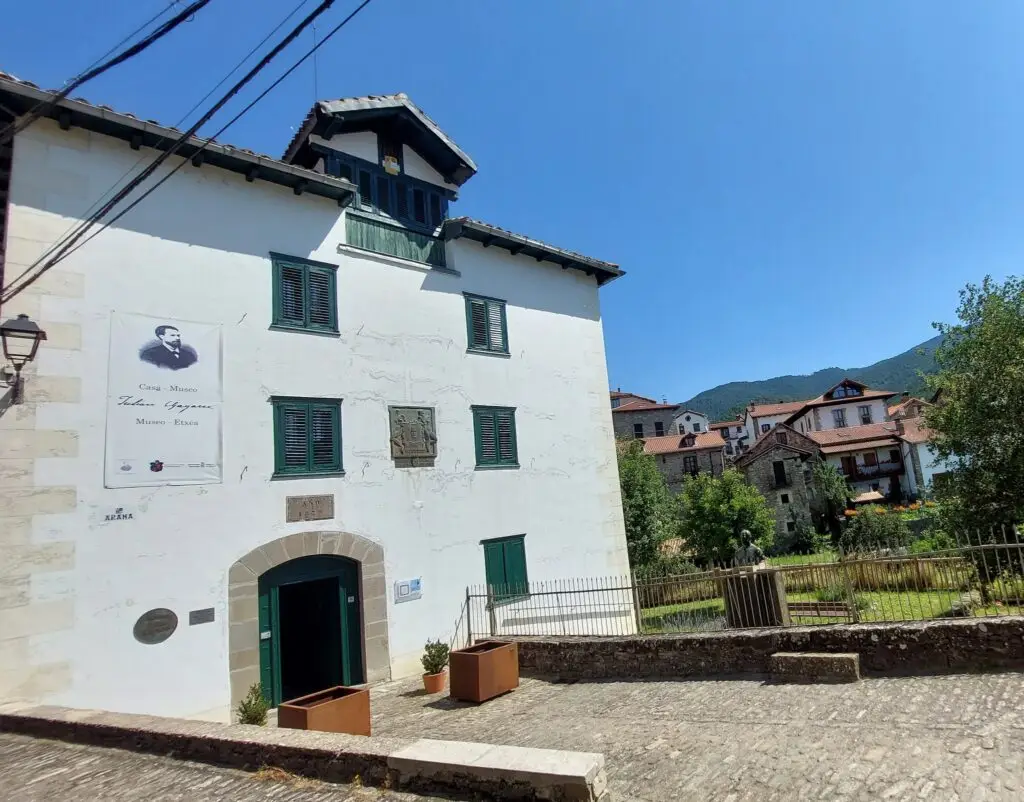
Casa Museo Julián Gayarre
The singer’s family home
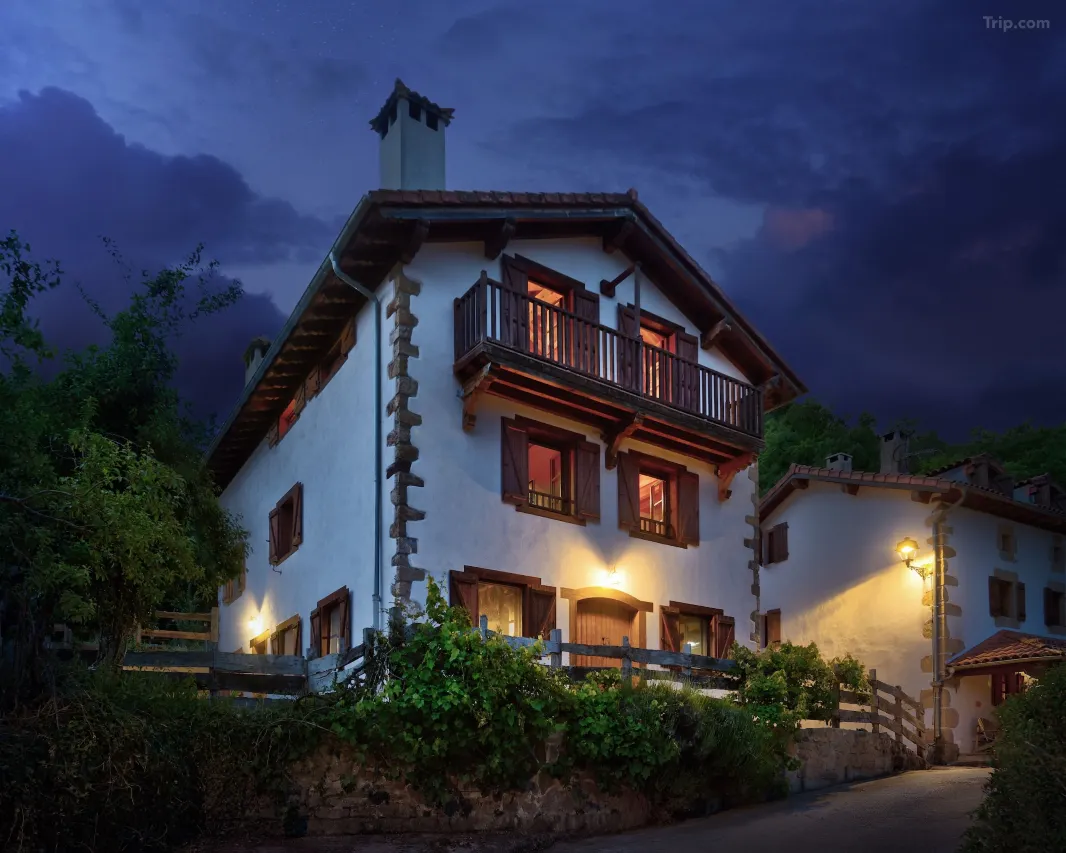
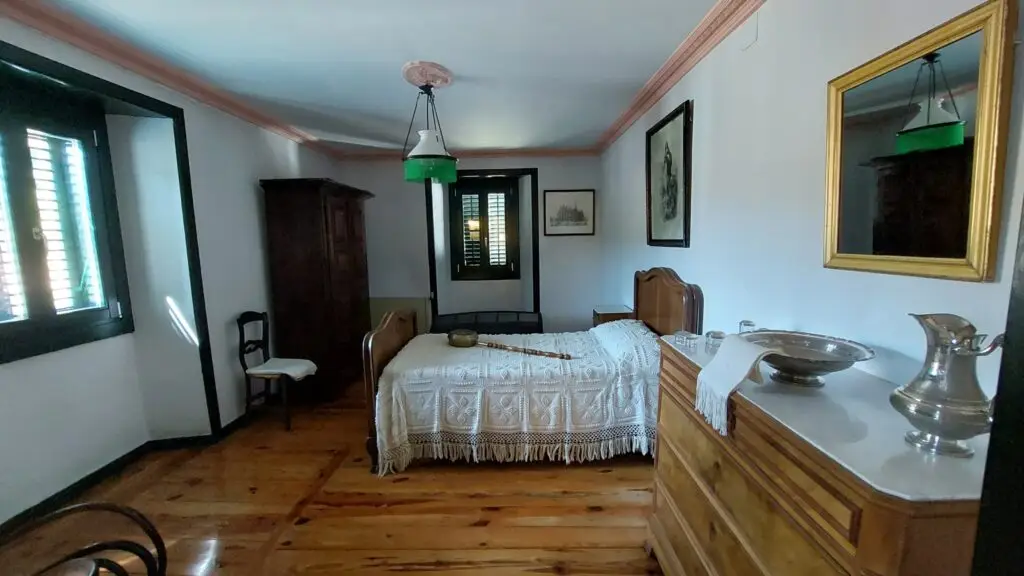
The Casa Museo Julián Gayarre is housed in the building closely linked to his life in Roncal. The museum preserves the atmosphere of the period and helps visitors understand where he came from before achieving international recognition. Seeing the home environment of such a famous artist makes his story feel more personal and accessible.
The house reflects the connection Gayarre maintained with his birthplace. Even after achieving success abroad, Roncal remained a central part of his identity. This link between world-famous artist and mountain village is one of the most distinctive aspects of the museum.
A museum dedicated to memory and heritage
Today, the museum serves as a cultural space dedicated to preserving documents, objects, and memories connected to the tenor. Its rooms help explain not only Gayarre’s biography, but also the wider historical and social setting of the 19th century.
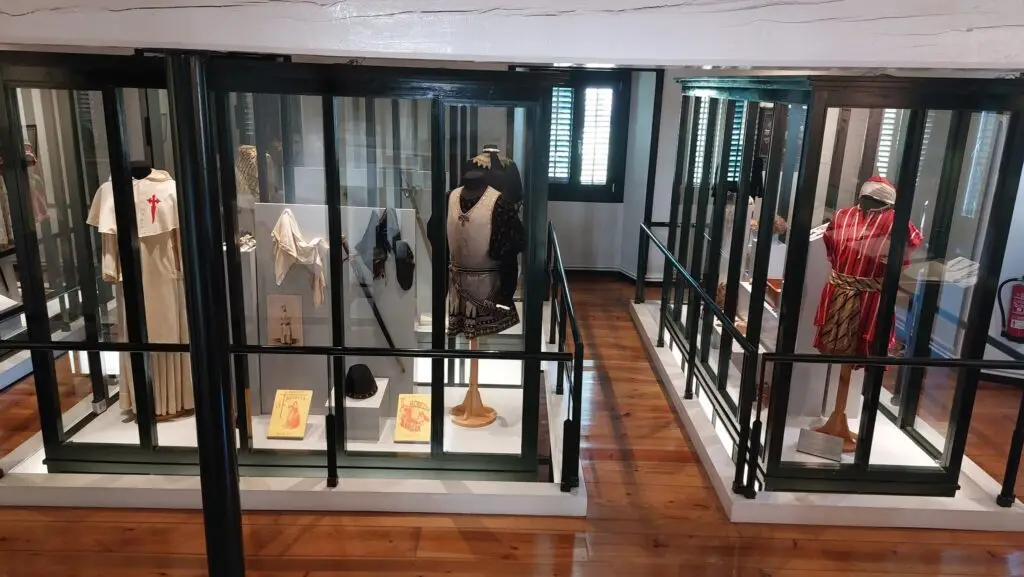
Visitors can usually find photographs, personal belongings, furniture, documents, costumes, and memorabilia related to his career. These displays help illustrate the contrast between his modest origins and his later artistic success. The museum also shows how deeply admired he was during his lifetime.
Personal objects
One of the most valuable aspects of the museum is the opportunity to see objects that belonged to Gayarre himself. Personal belongings and family items make the visit feel intimate and human. Rather than learning about a distant historical figure, visitors get a clearer sense of the person behind the legend.
For example, original documents, letters, or period photographs can reveal details about his professional life, his travels, and his relationships with the musical world of his time.
Furnished rooms and more
In the other had, the museum’s interior helps evoke the atmosphere of the 19th century. Depending on the current layout and exhibition design, visitors may see furnished rooms or displays that recreate aspects of daily life in Gayarre’s era. This gives useful context for understanding both his upbringing and the society in which he lived.
More info: https://www.juliangayarre.com/en
Updated on May 9, 2026