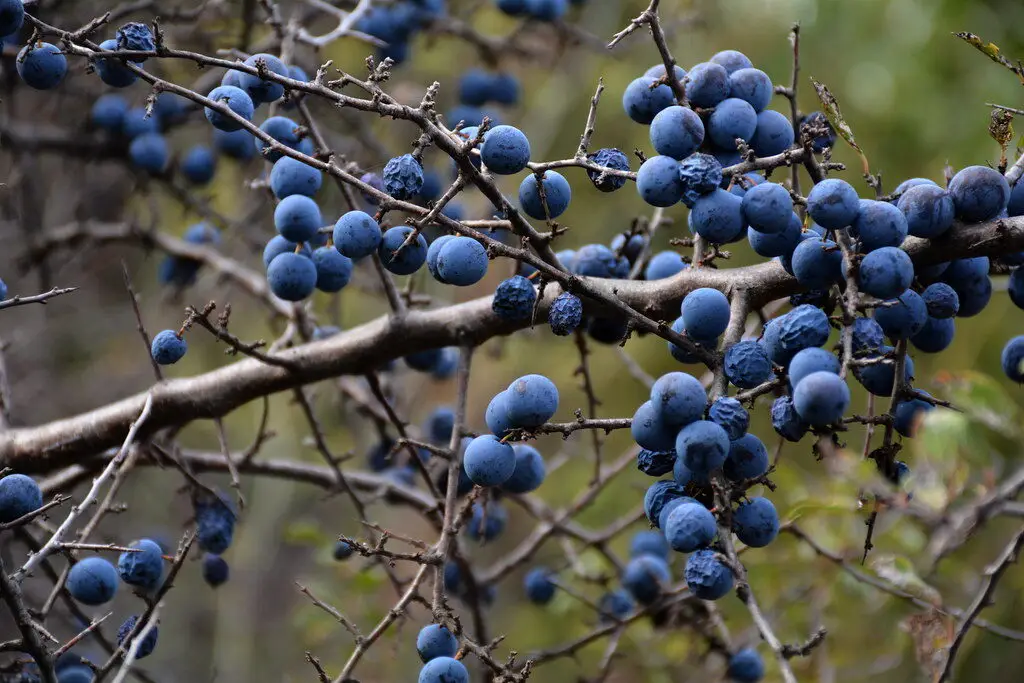
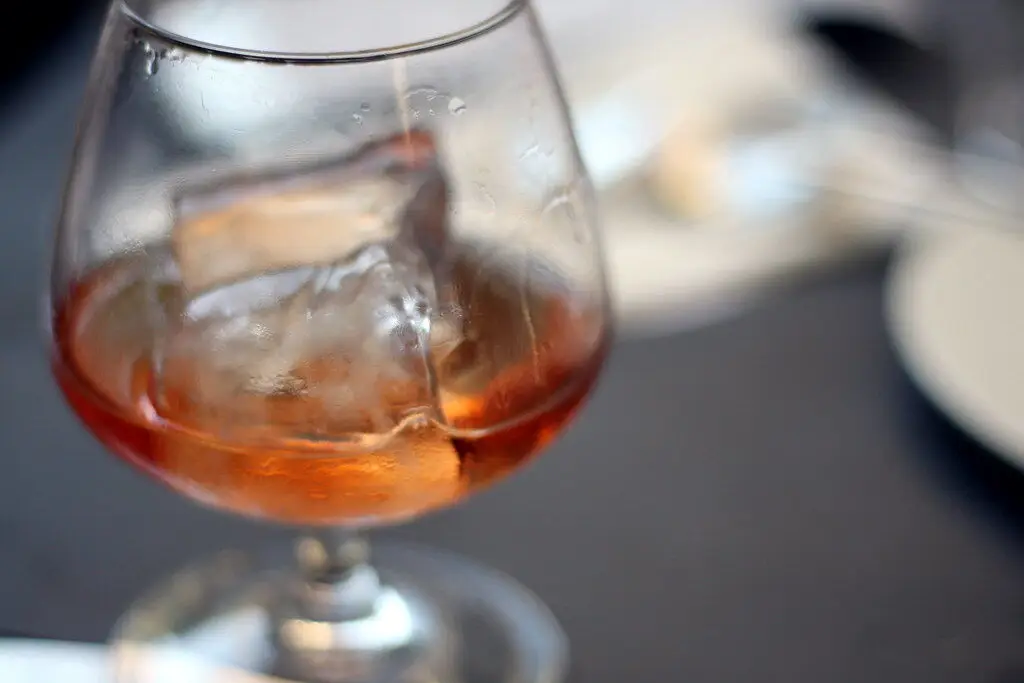
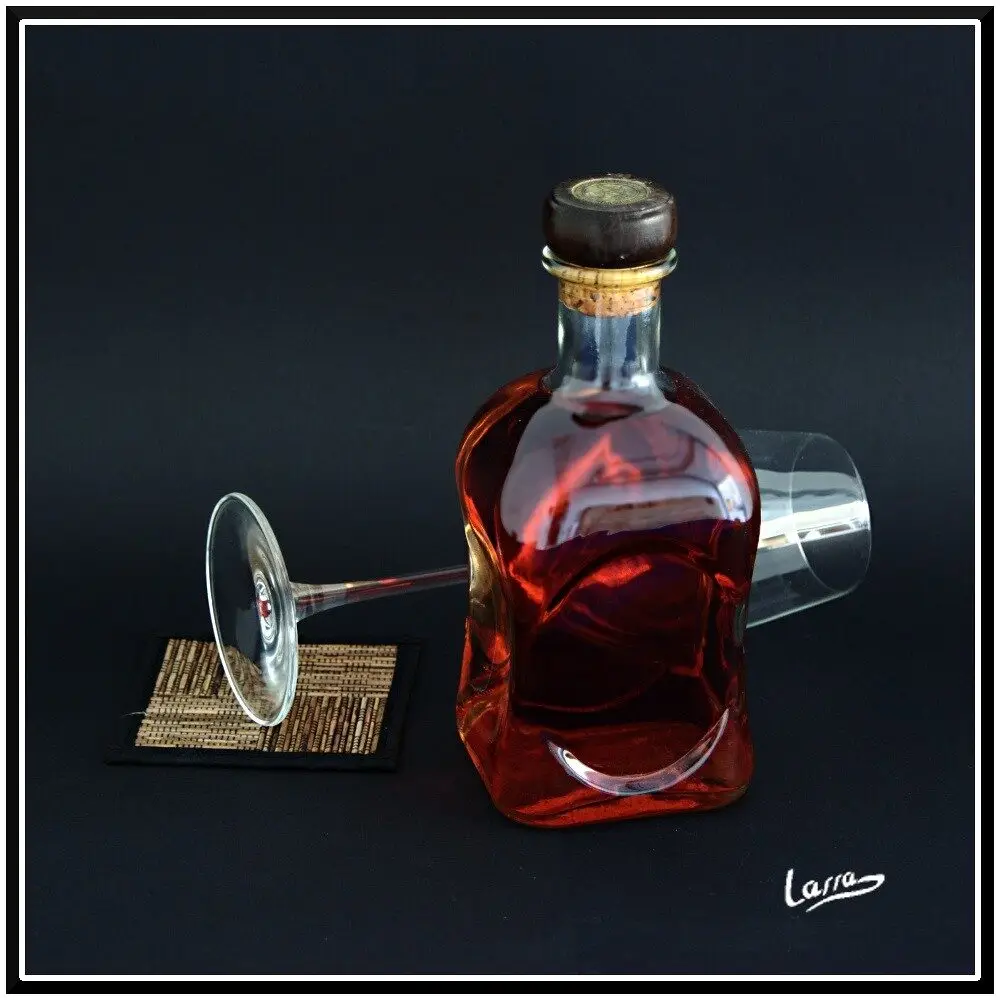
Patxarana is one of the most traditional alcoholic drinks of Navarre and the Basque Country. Deeply rooted in local culture, this sweet anise-flavored liqueur is made by slowly macerating sloe berries — the fruit of the blackthorn bush — in anisette alcohol for several months. The result is a reddish or dark ruby-colored drink with fruity aromas and a characteristic balance between sweetness and slight bitterness.
The name patxarana comes from the Basque words baso (forest) and arana (plum or berry), reflecting its rural origins and connection to the countryside. For centuries, families in Navarre and the Basque Country traditionally produced homemade patxarana during autumn using wild sloes collected in hedgerows and mountain paths.
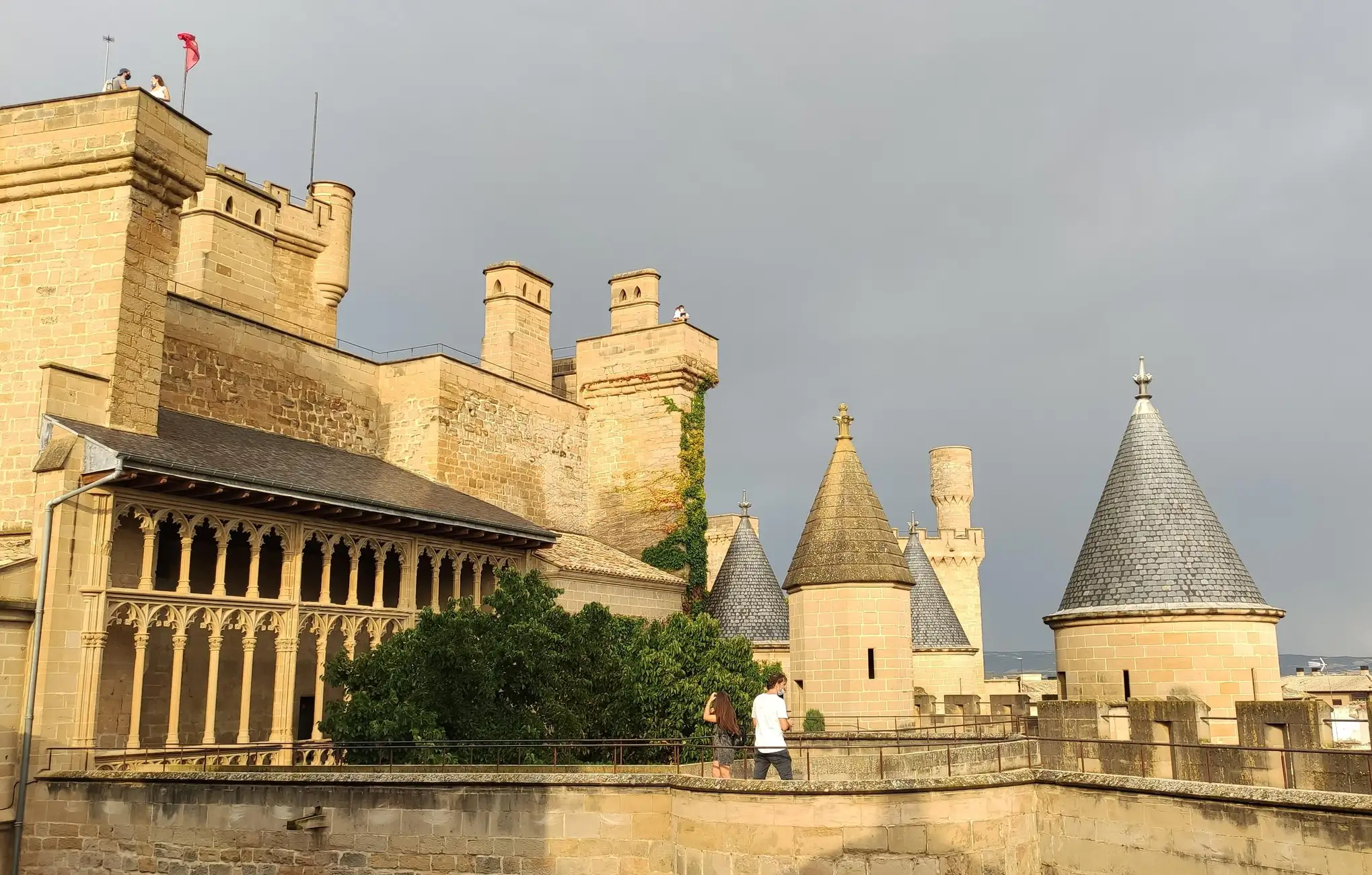
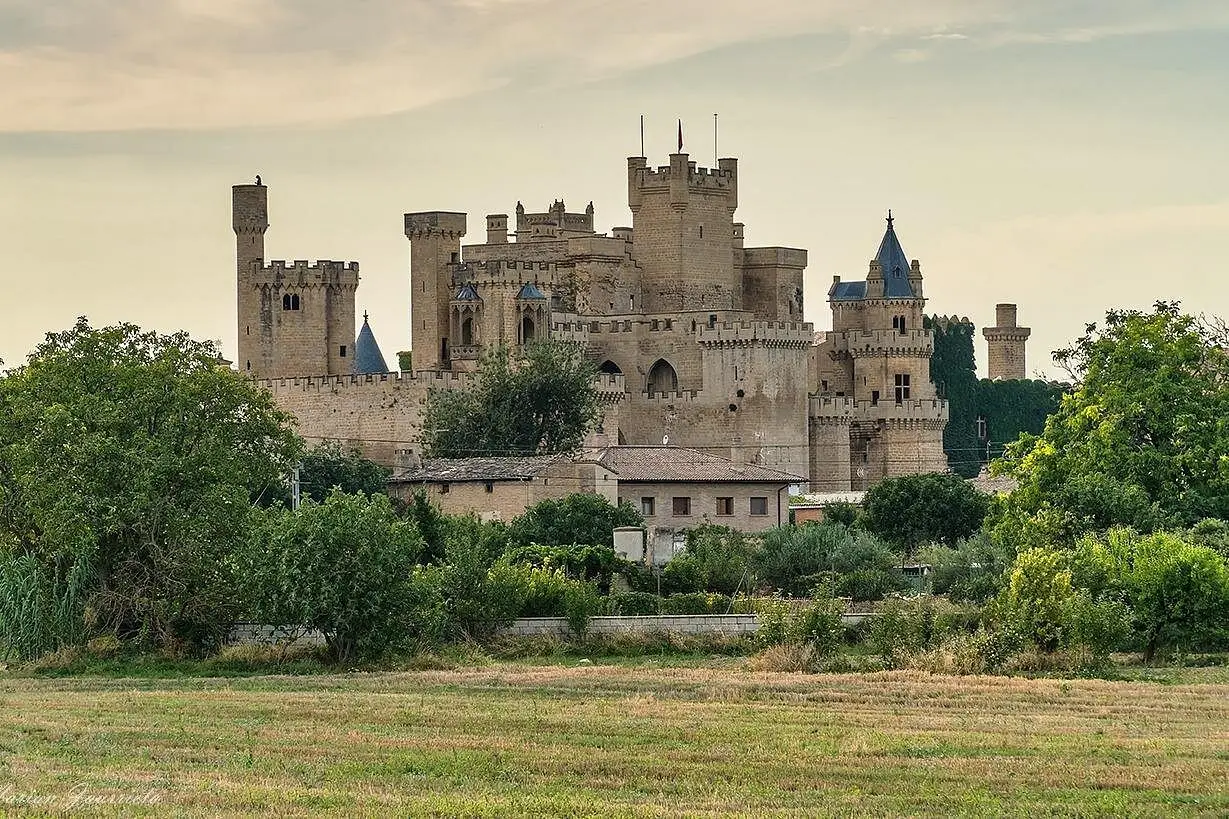
The origins of the drink date back at least to the Middle Ages. Historical records mention patxarana being consumed at the royal court of Navarre as early as the 15th century, where it was appreciated both as a digestive drink and for its supposed medicinal properties. Traditionally, it was believed to aid digestion after heavy meals, which is why it is still commonly served after lunch or dinner today.
The production process is relatively simple but requires patience. Fresh sloes are placed in bottles together with anisette and left to macerate for several months, usually between autumn and winter. Some recipes also include coffee beans, cinnamon sticks, or vanilla to add additional aromas, although many producers prefer to keep the recipe as pure as possible.
Today, patxarana has evolved from a homemade rural drink into one of the best-known liqueurs of northern Spain. Navarre even has a protected geographical indication for its production. Despite its growing commercial success, homemade patxarana remains an important tradition in many Basque and Navarrese households.
Served cold in small glasses, patxarana continues to be an essential part of Basque gastronomy and social life, especially after large family meals and celebrations.
Updated on September 14, 2026