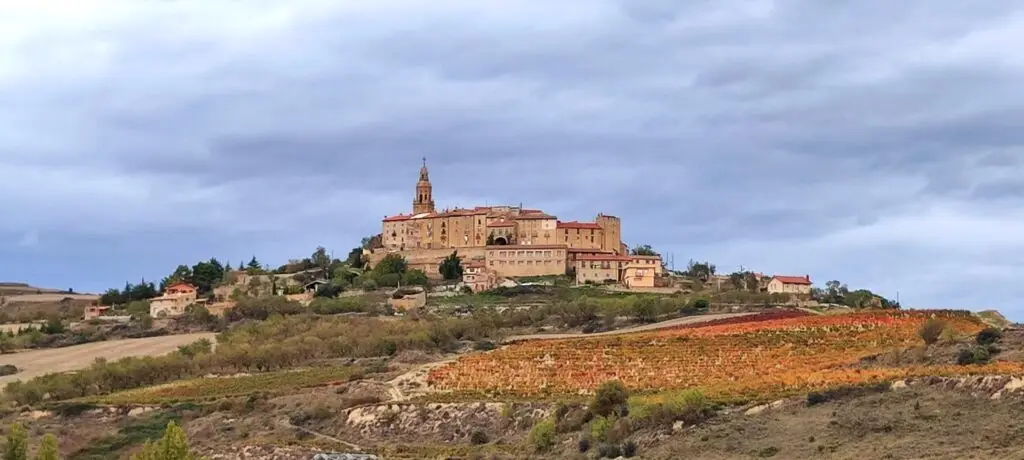
Labraza is a small fortified village in the Rioja Alavesa region of Araba, in the southern part of the Basque Country. Despite its modest size, it is considered one of the best-preserved medieval walled towns in northern Spain and an important example of historic frontier settlement planning.
Situated on a hilltop near the borders of Navarra and La Rioja, Labraza occupies a strategic position overlooking vineyards and agricultural land. Its location reflects the historical importance of Rioja Alavesa as both a defensive territory and a productive wine-growing region.
Historical Origins of Labraza
Labraza was founded in 1196 by King Sancho VII of Navarre during a period of territorial conflict between Navarre and Castile. The settlement formed part of a network of fortified towns intended to secure the frontier and protect trade and agricultural routes across southern Araba.
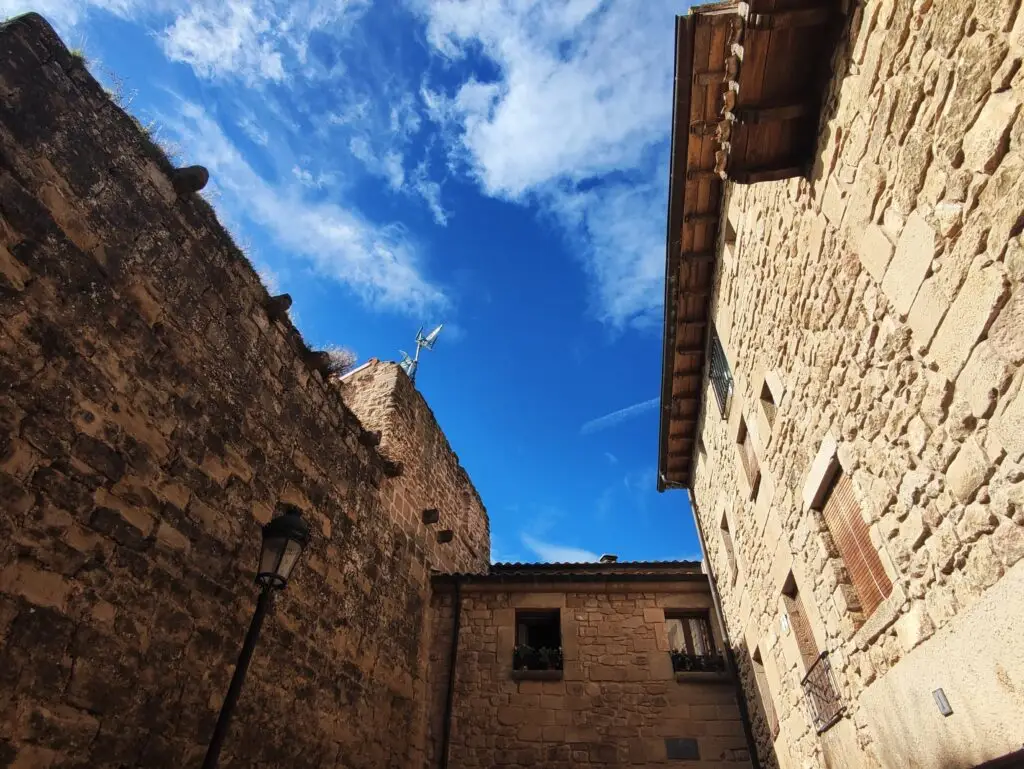
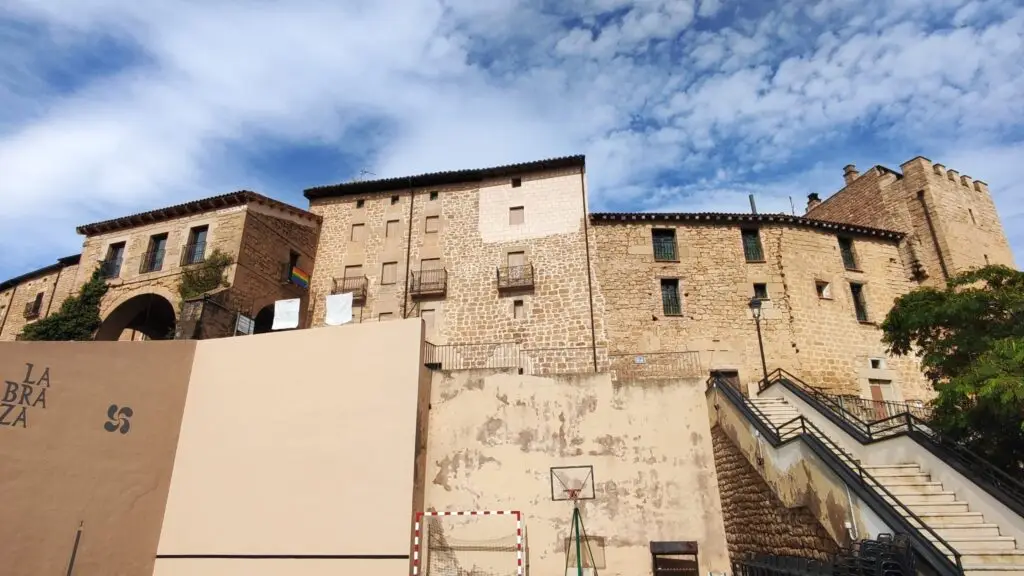
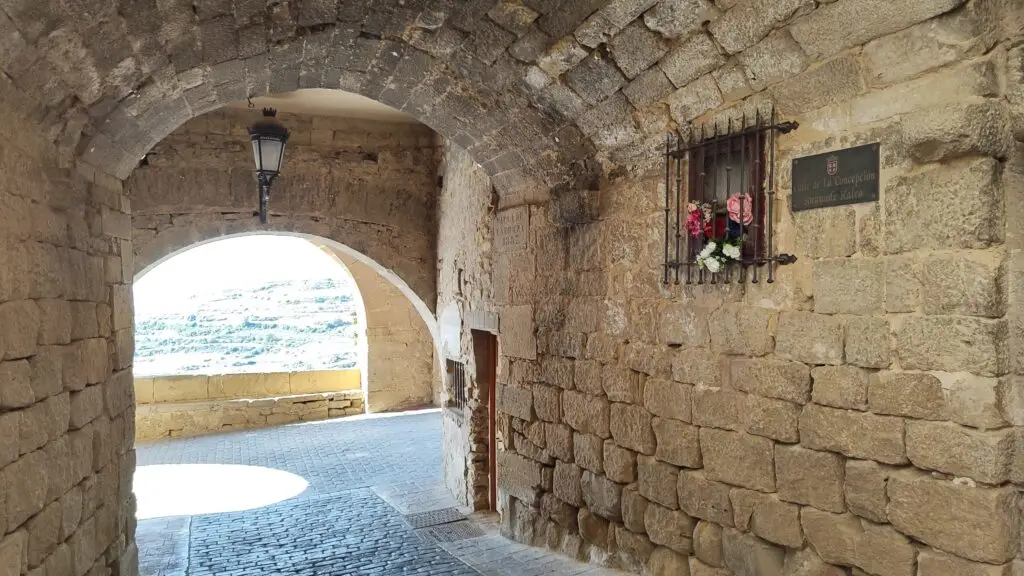
The medieval walls surrounding Labraza remain its defining feature. Much of the original fortification still survives, including gates, towers, and stretches of defensive stonework incorporated into later buildings. The compact urban design, with narrow streets and closely grouped houses, reflects the defensive priorities of medieval life.
Architecture and Urban Character
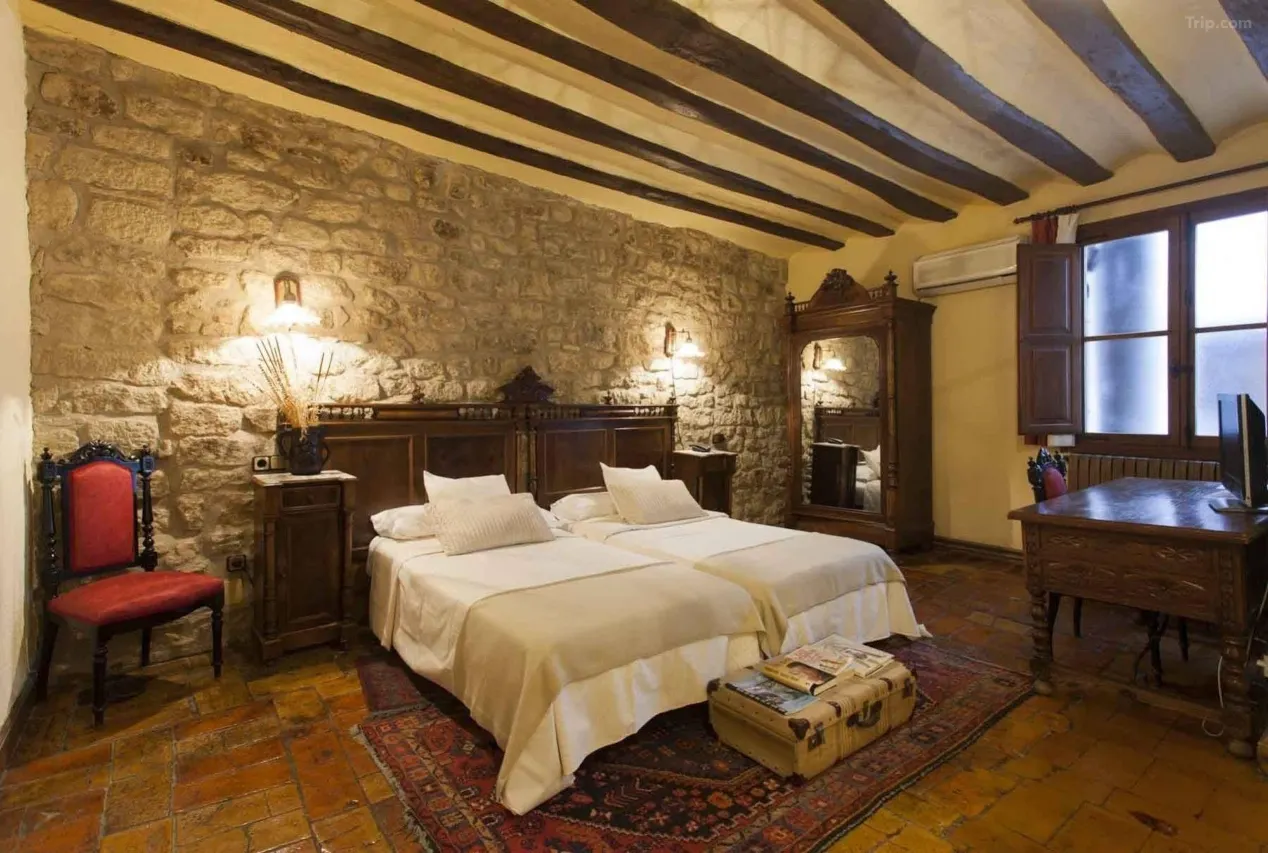
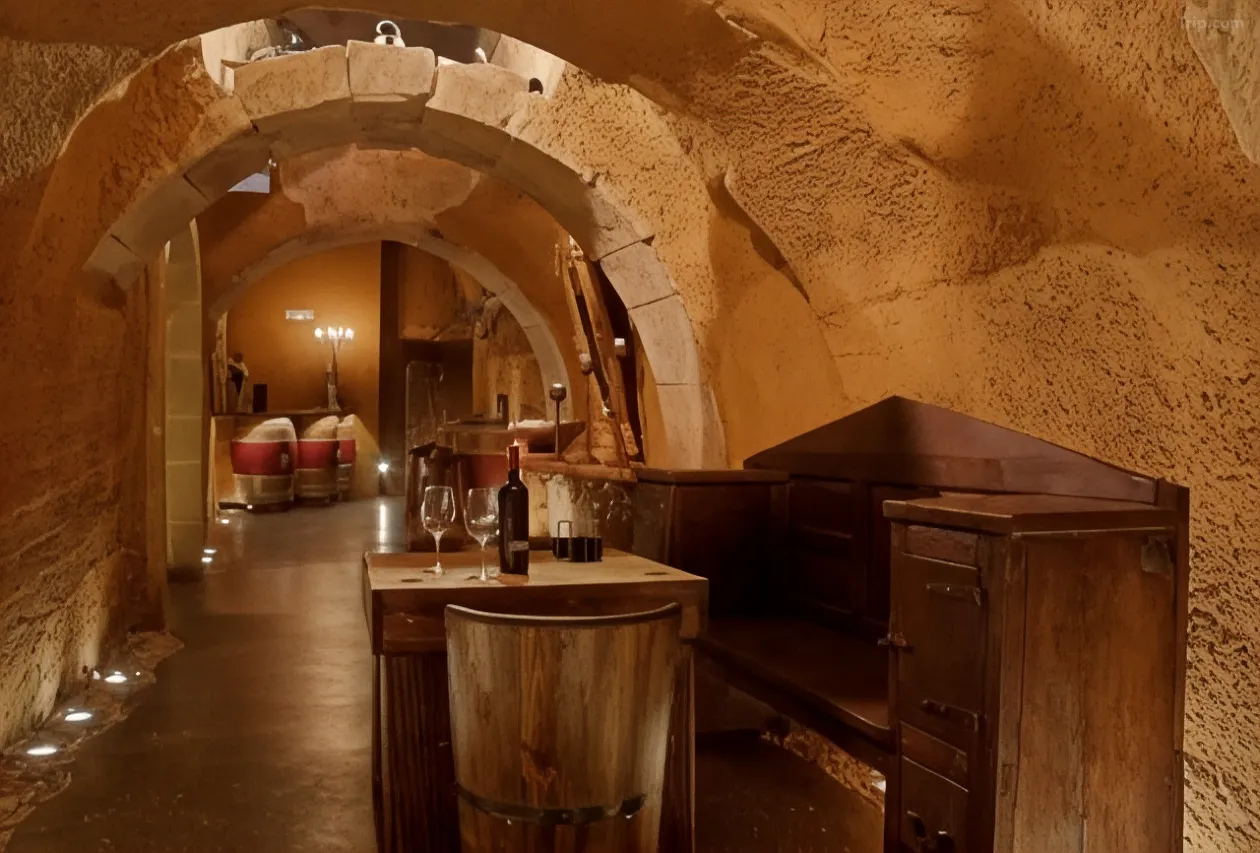
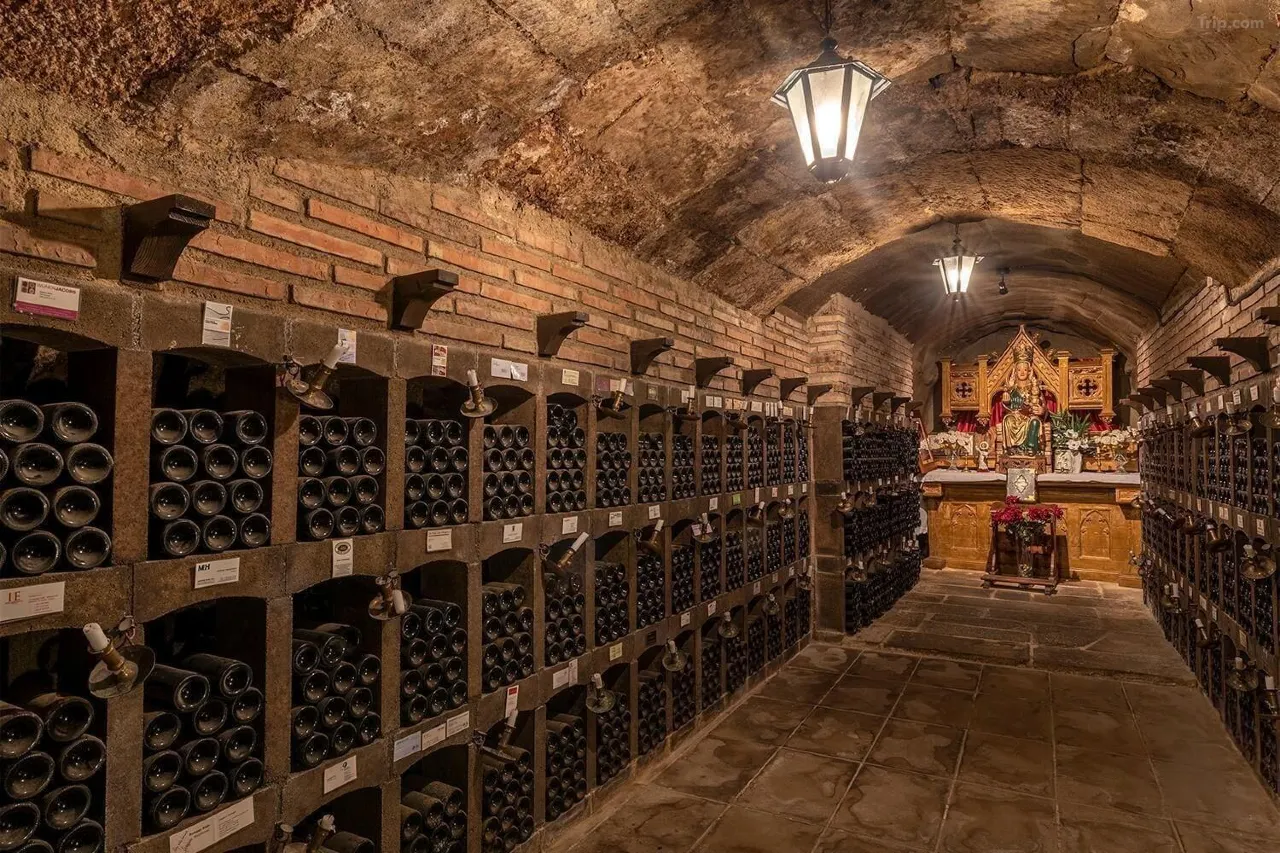
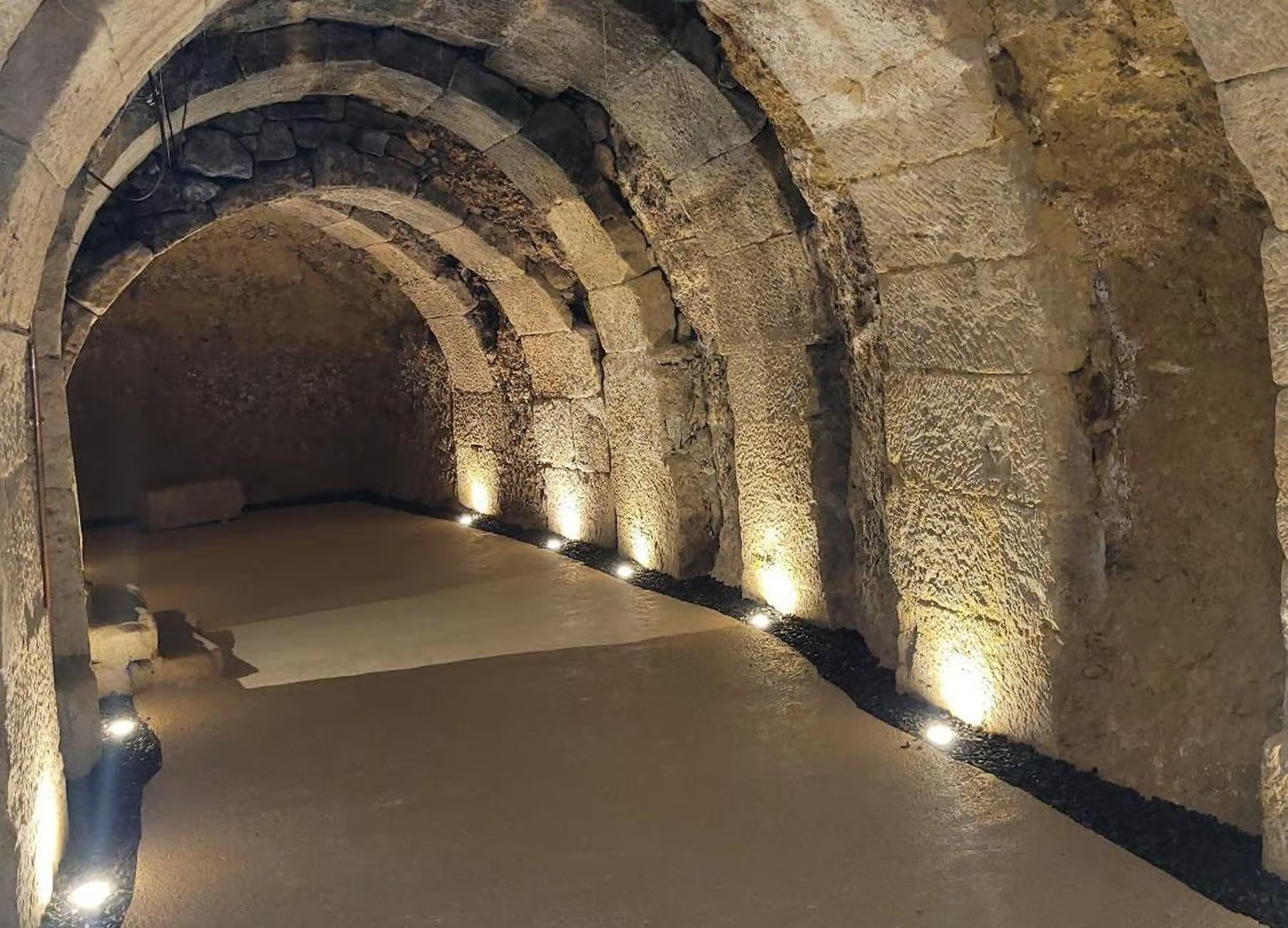
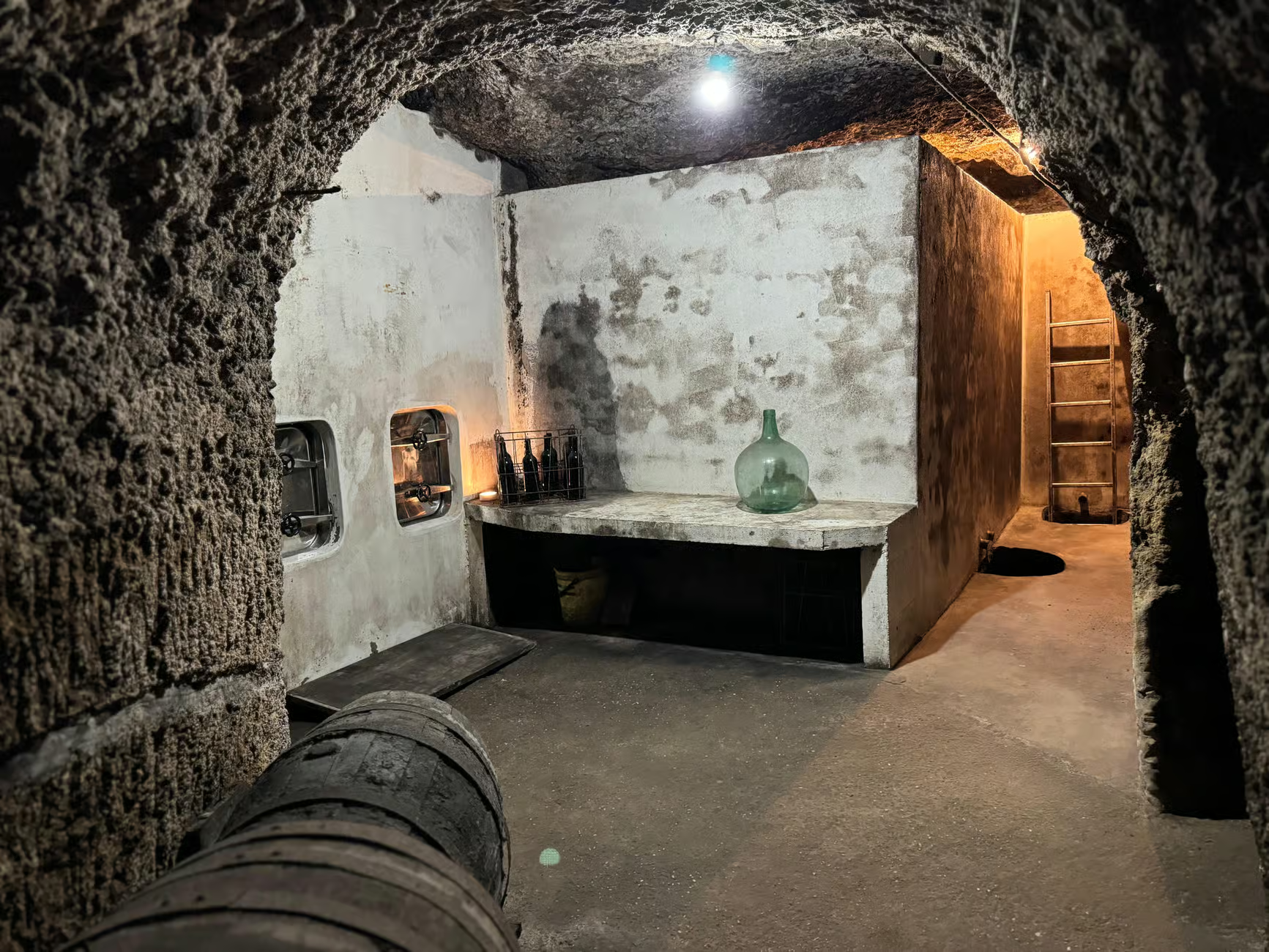
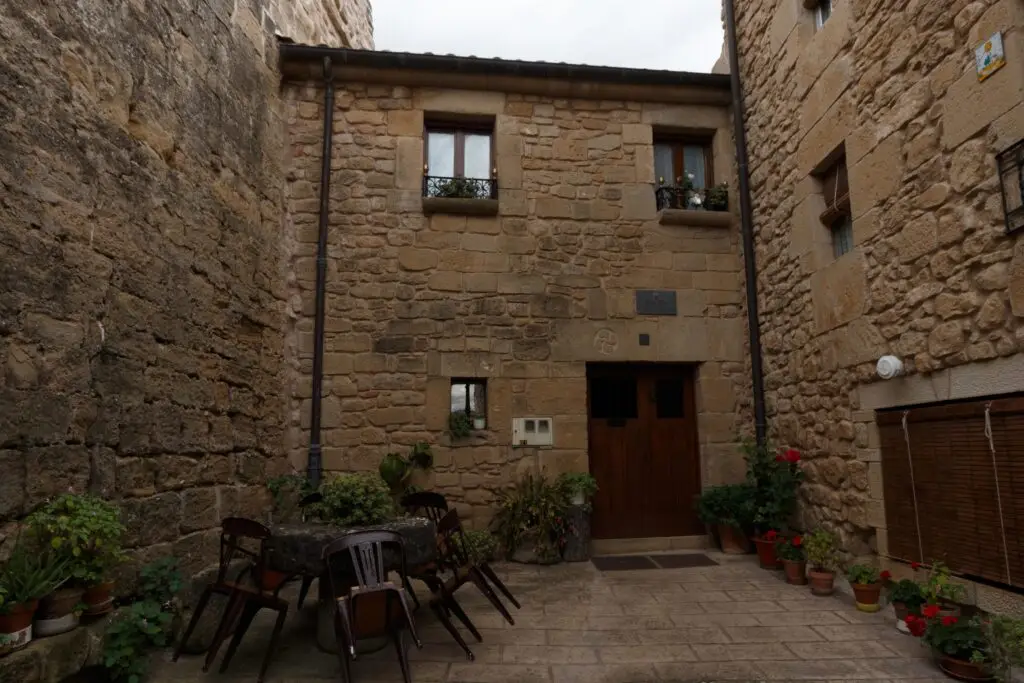
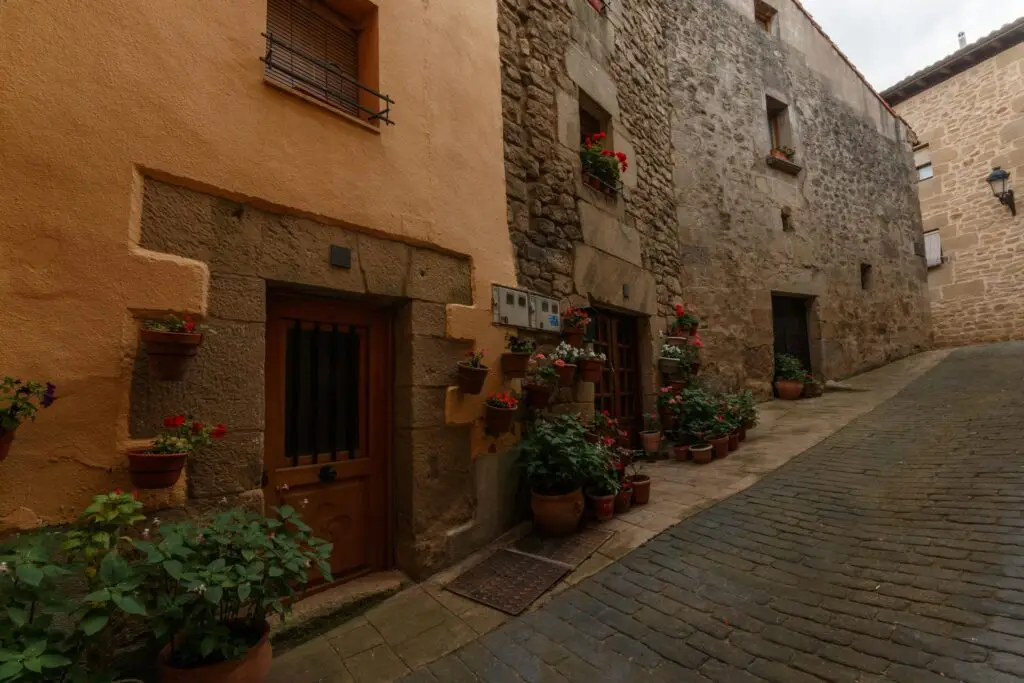
The architecture of Labraza is typical of historic Rioja Alavesa villages. Stone houses with arched entrances, wooden balconies, and underground wine cellars line the narrow streets inside the walls. Many buildings preserve elements dating back several centuries, contributing to the village’s strong historical character.
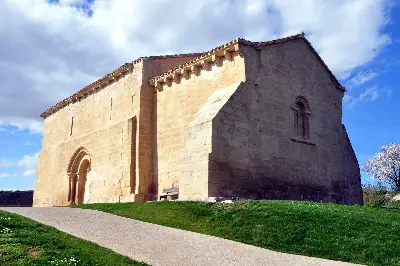
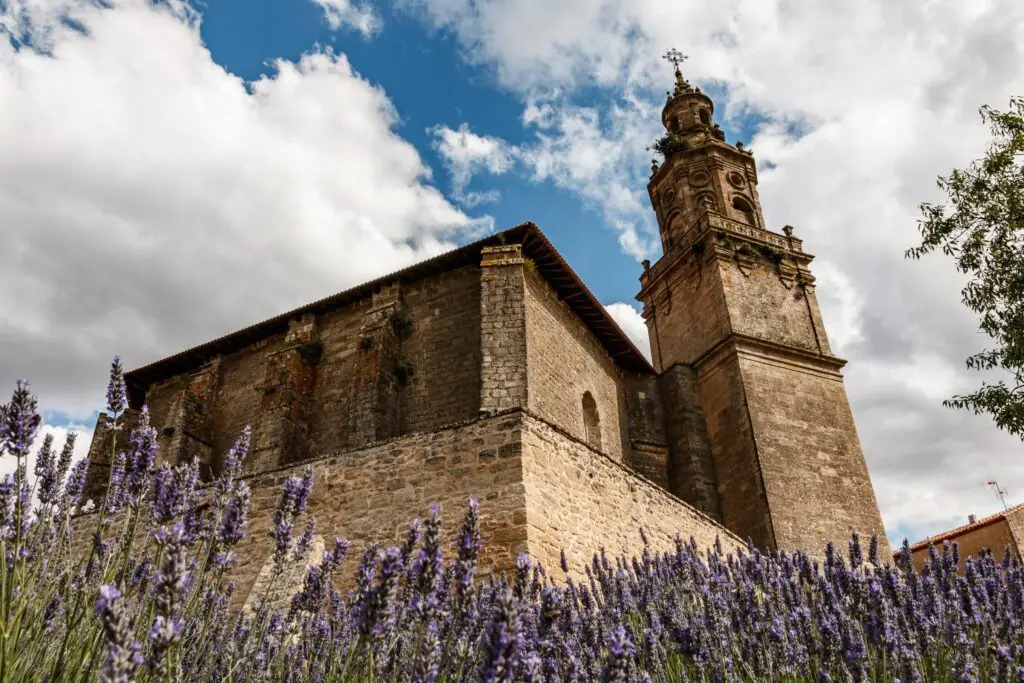
At the center of the settlement stands the Church of San Miguel, a structure that historically combined religious and defensive functions. Like many churches in medieval Araba, it played a role within the fortified perimeter of the town.
Wine Culture in Rioja Alavesa
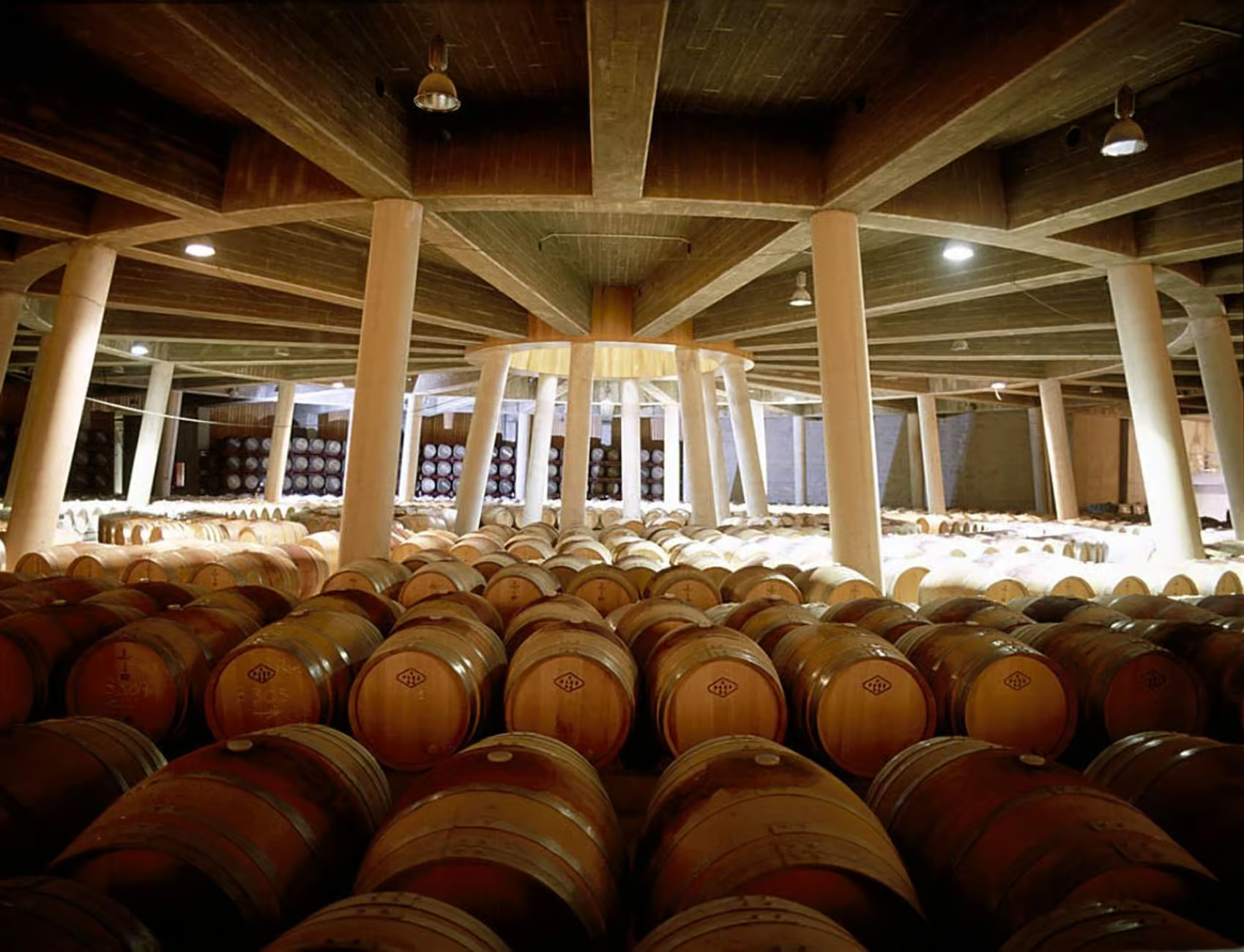
Labraza is closely connected to the viticultural traditions of Rioja Alavesa, one of the principal wine-producing areas of the Basque Country. The surrounding landscape is dominated by vineyards cultivated on clay-limestone soils protected by the Sierra de Cantabria mountains.
Wine production shaped both the economy and architecture of the village. Underground cellars excavated beneath homes were historically used for storing and aging wine, demonstrating the close relationship between settlement design and agricultural activity.
Updated on May 14, 2026