Labastida is one of the most historically and culturally significant towns in Rioja Alavesa, the wine-producing region of southern Araba in the Basque Country. Located between the Ebro River and the Sierra de Cantabria mountains, the town combines medieval heritage, vineyard landscapes, and a long tradition of viticulture that defines much of the identity of Rioja Alavesa.
Its strategic position near the border with La Rioja made Labastida an important settlement throughout the Middle Ages, particularly during territorial disputes between the Kingdom of Navarre and Castile.
Historical Development of Labastida
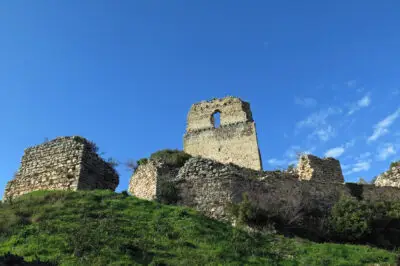
Labastida was founded in the 12th century and received its town charter in 1242 from King Ferdinand III of Castile. During the medieval period, it developed as a fortified settlement protected by walls, gates, and defensive towers.
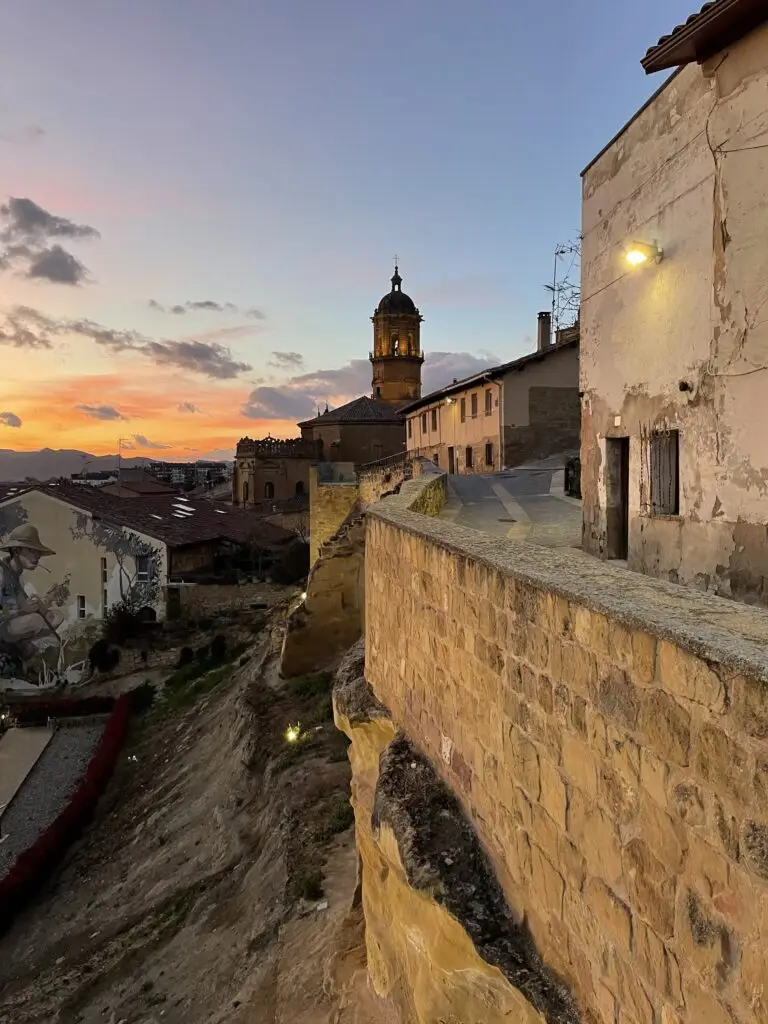
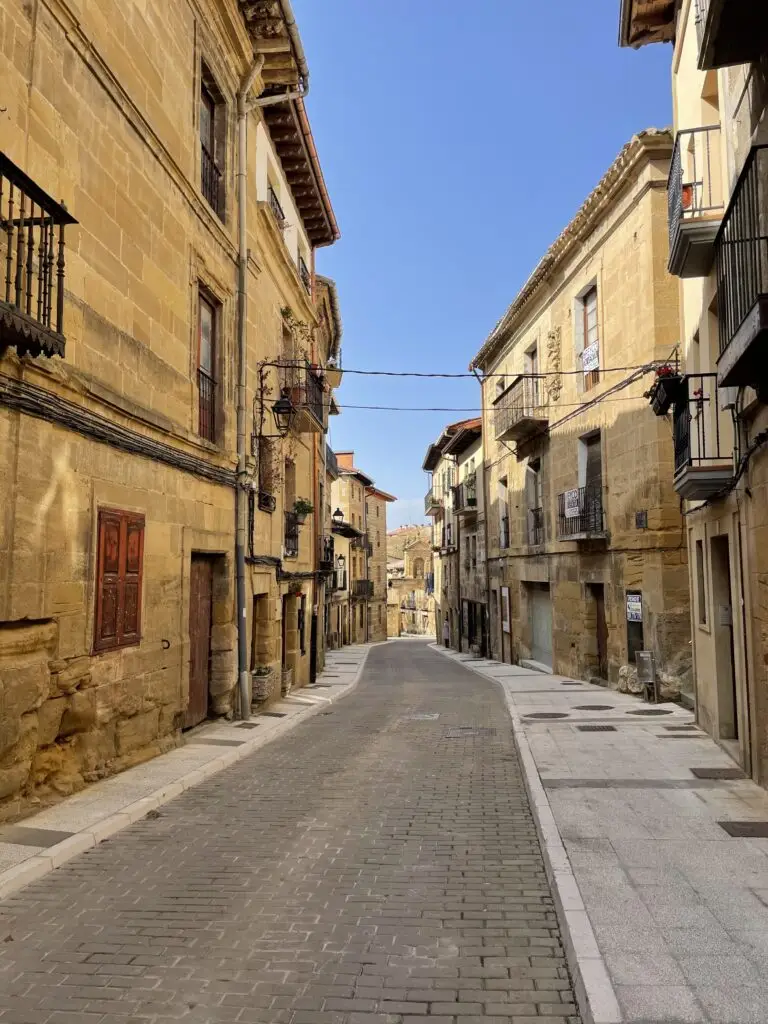
Although parts of the original fortifications have disappeared, the historic center still preserves a medieval street layout with narrow lanes, stone houses, and elevated viewpoints overlooking the vineyards of Rioja Alavesa.
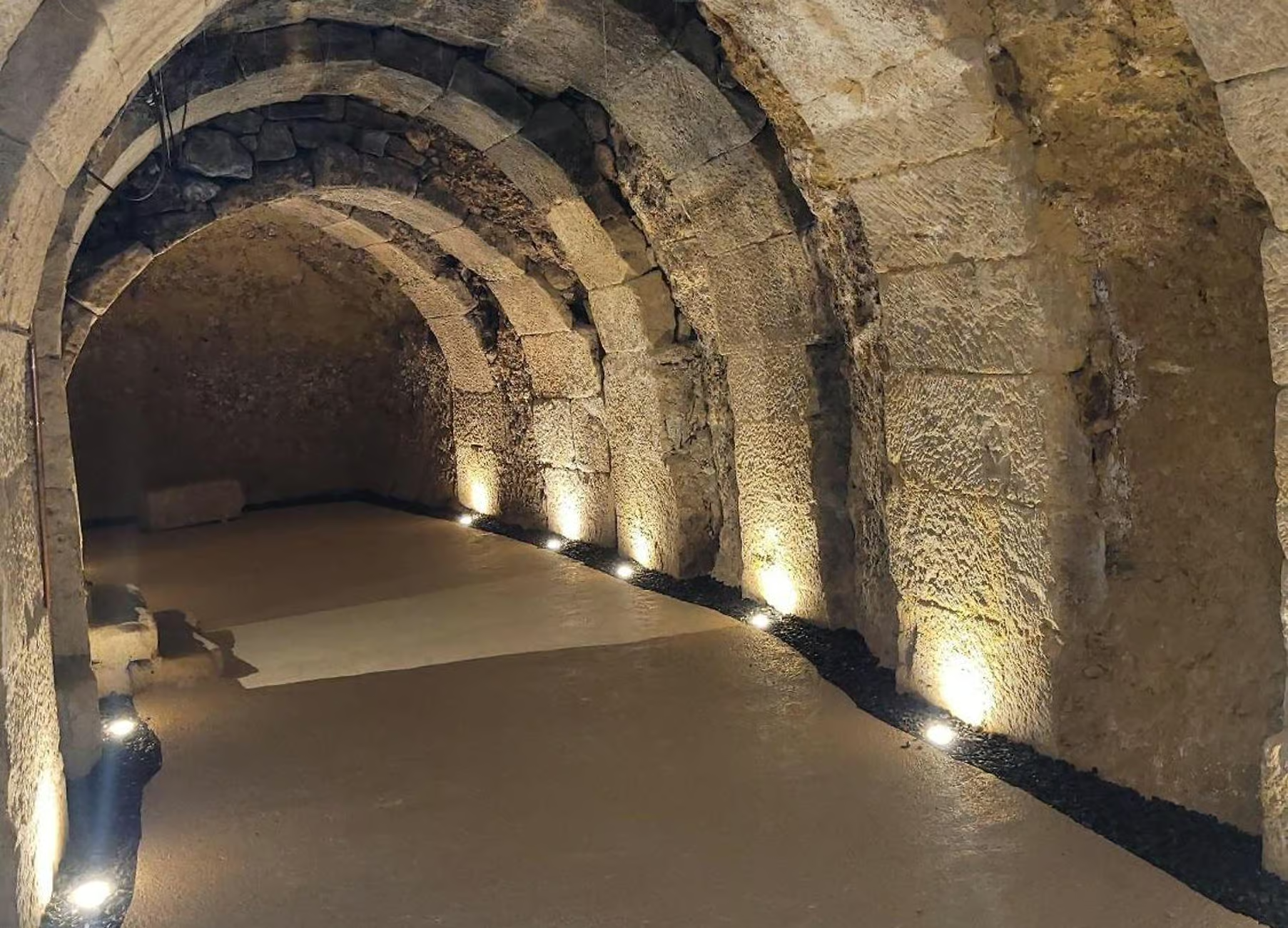
The old quarter reflects the prosperity generated by agriculture and wine production from the late Middle Ages onward. Noble houses, religious buildings, and underground wine cellars became central elements of the urban landscape.
Architecture and Cultural Heritage
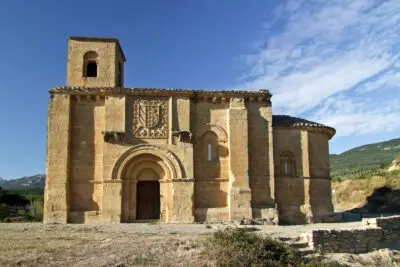
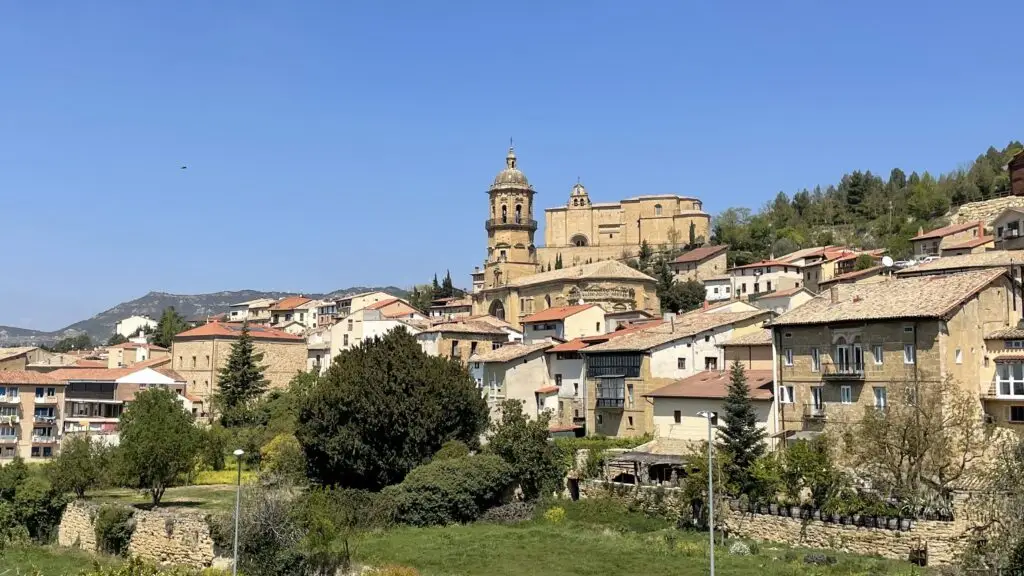
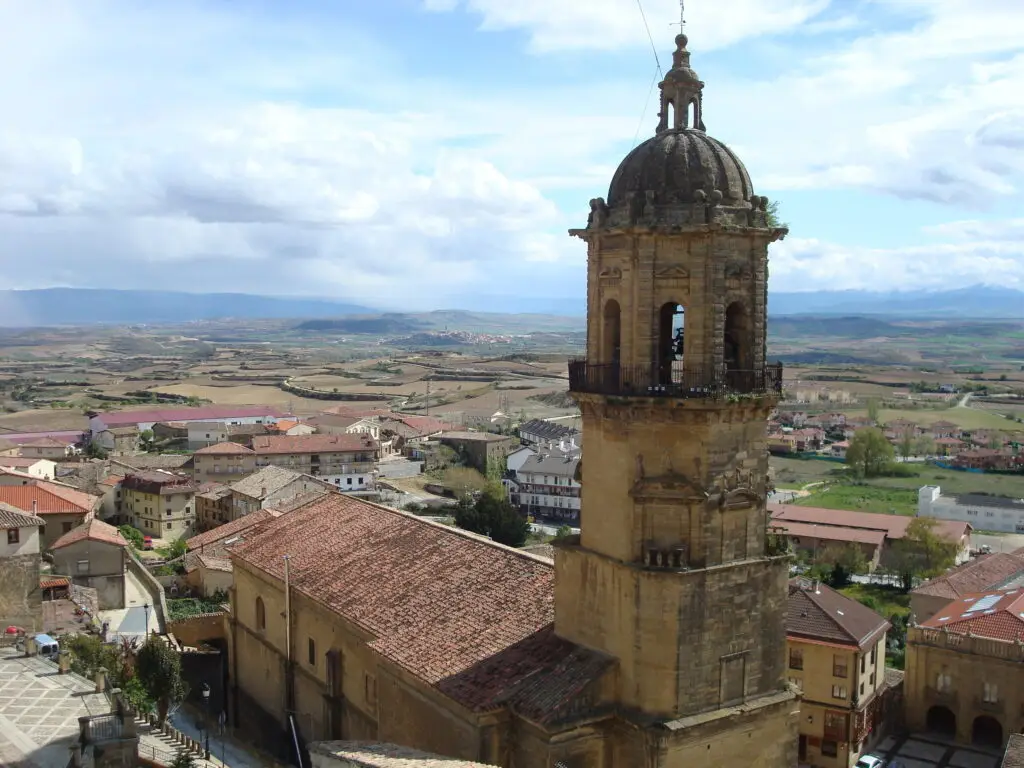
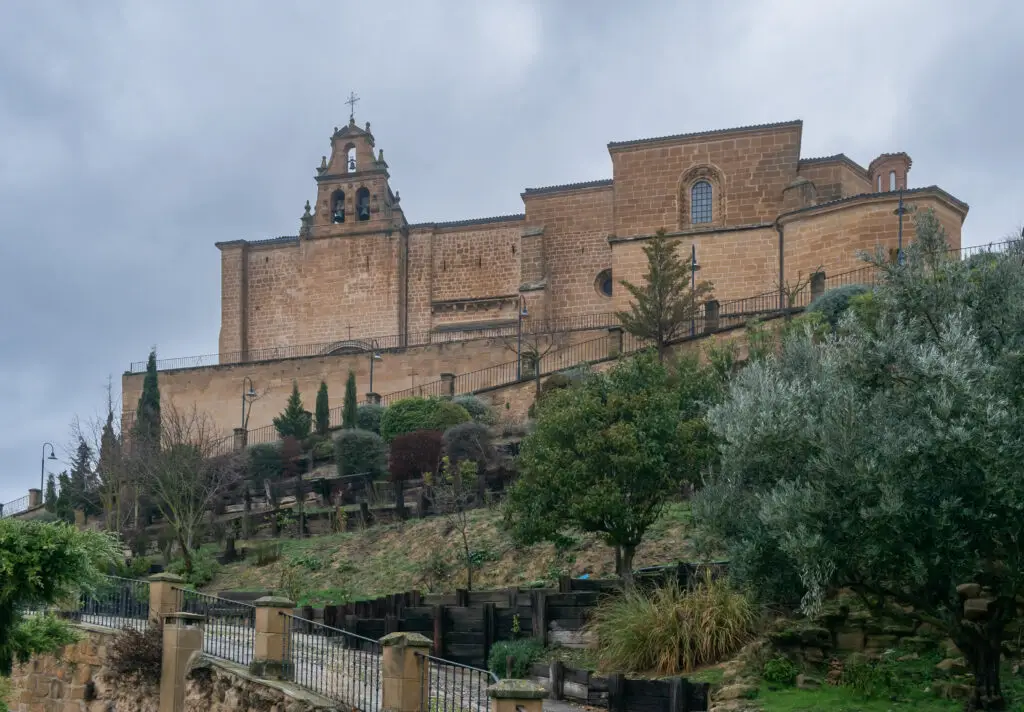
One of the most important landmarks in Labastida is the Church of Nuestra Señora de la Asunción, a Gothic-Renaissance structure that dominates the skyline of the town. The Church of Santo Cristo and several historic hermitages also contribute to the town’s religious and architectural heritage.
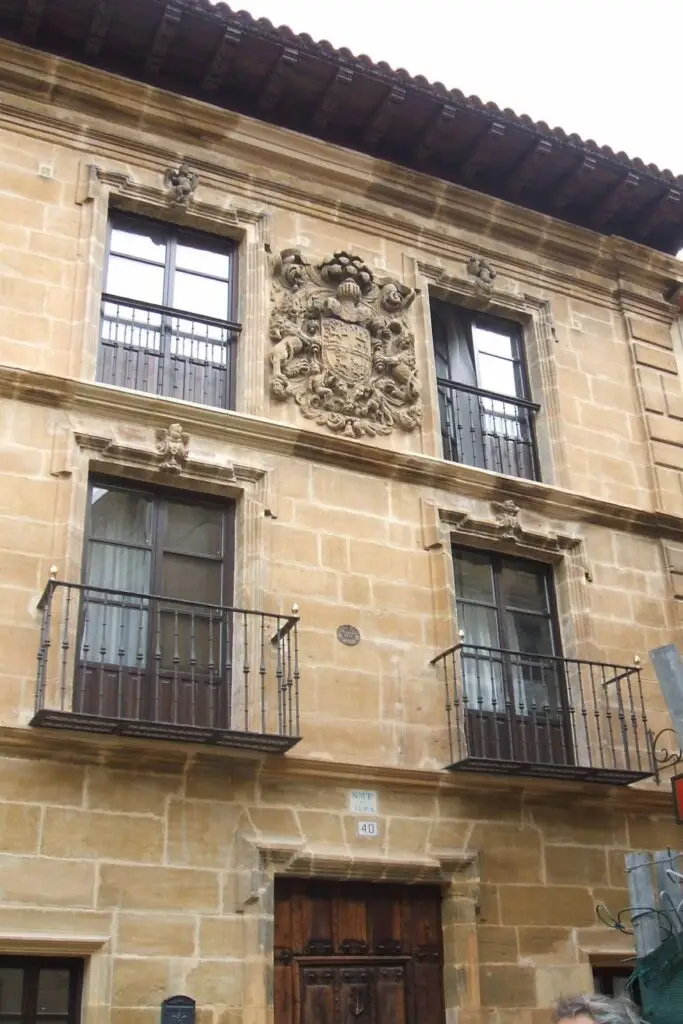
Traditional houses in Labastida often include:
- Stone facades
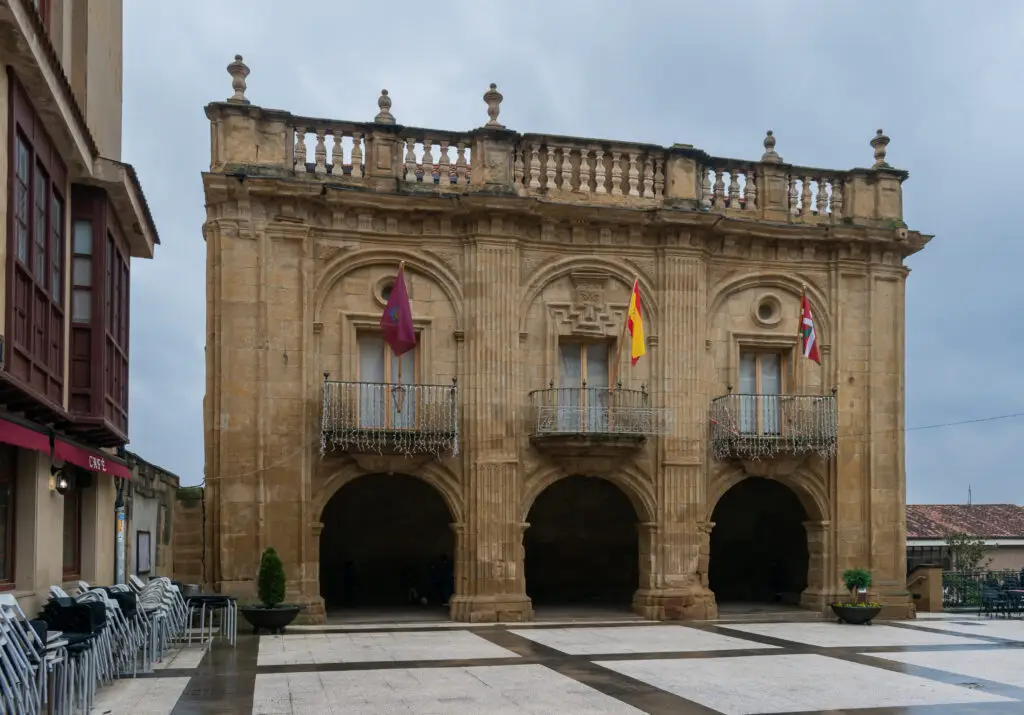
- Arched doorways
- Wrought-iron balconies
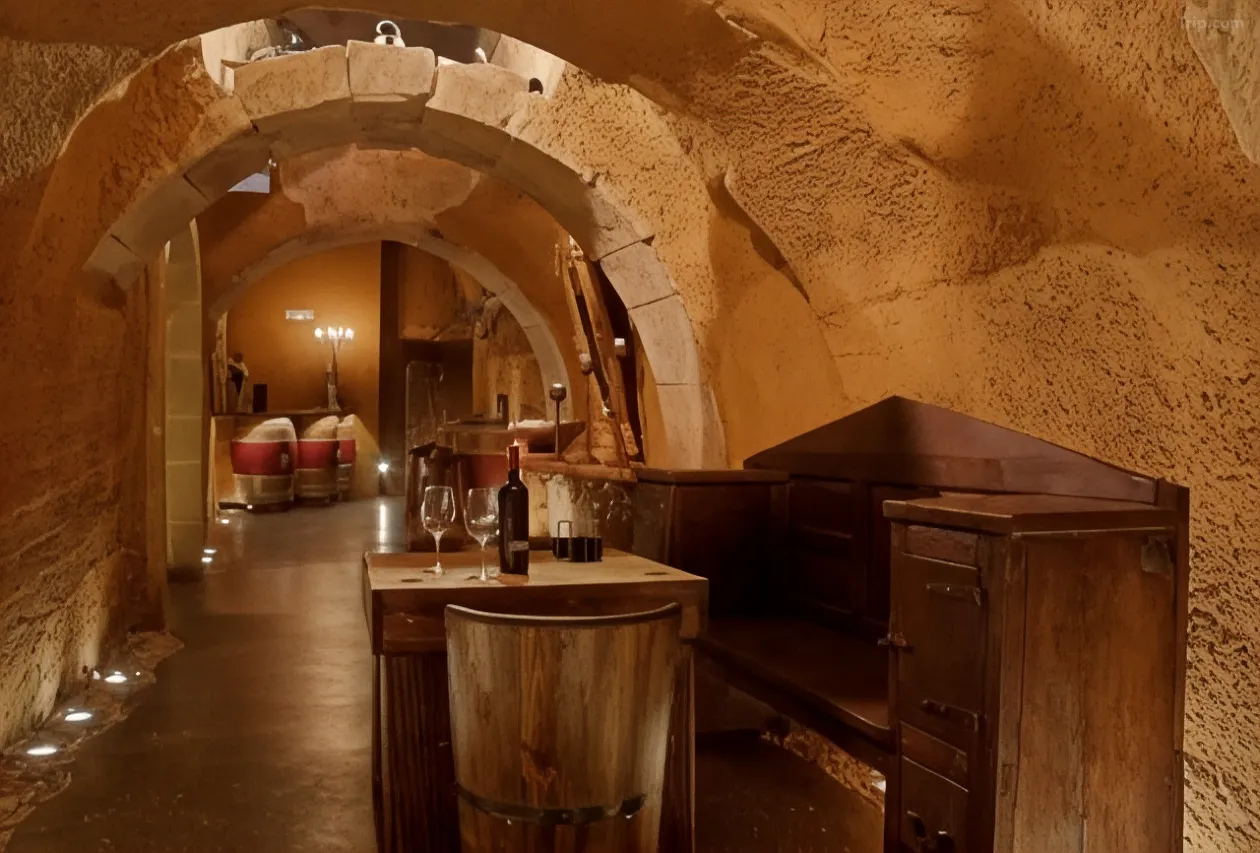
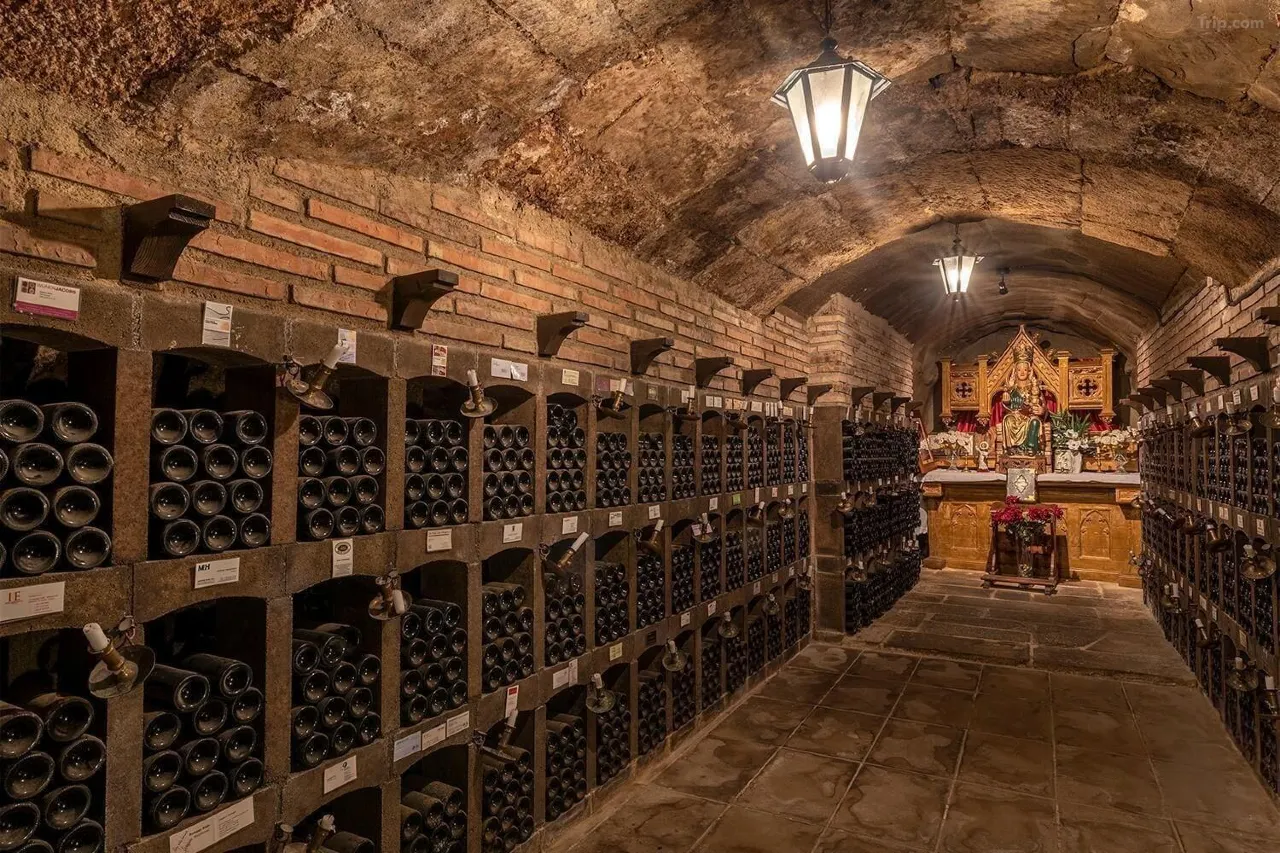
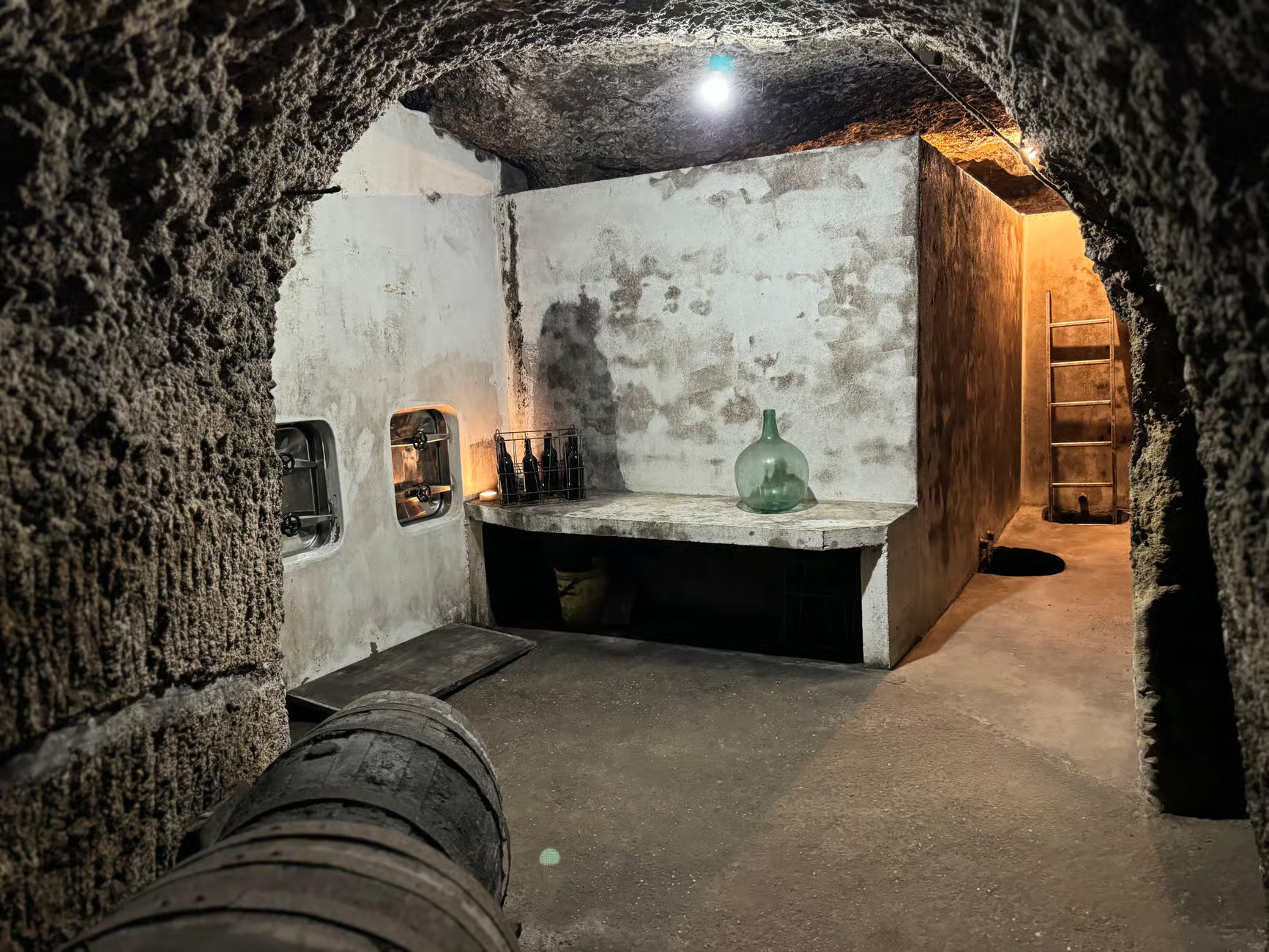
- Underground cellars used for wine storage
These features are characteristic of many towns in Rioja Alavesa and reflect the close relationship between architecture and viticulture.
Wine Culture in Rioja Alavesa
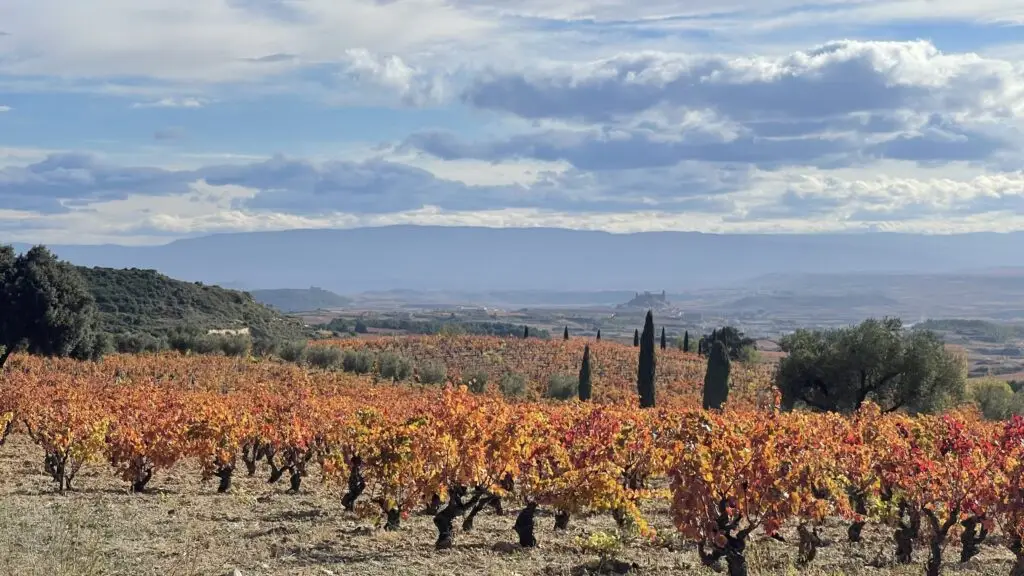
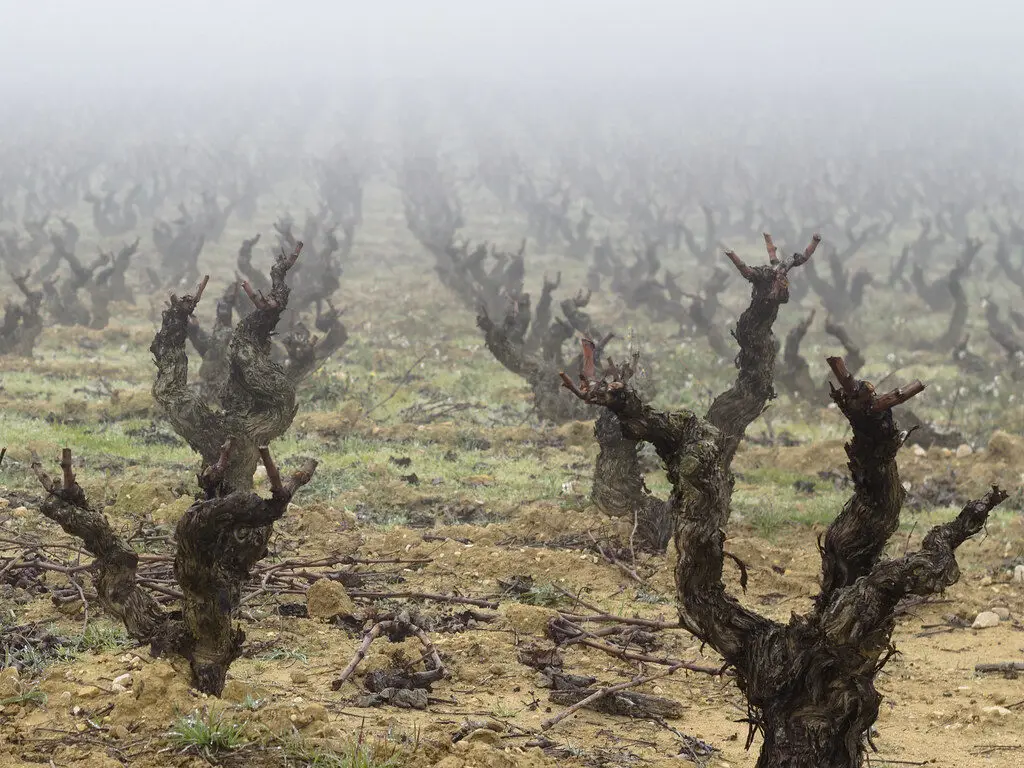
Labastida is deeply connected to the wine traditions of Rioja Alavesa, one of the three subregions of the DOCa Rioja denomination. The surrounding vineyards benefit from clay-limestone soils and a microclimate shaped by the Sierra de Cantabria, creating favorable conditions for grape cultivation.
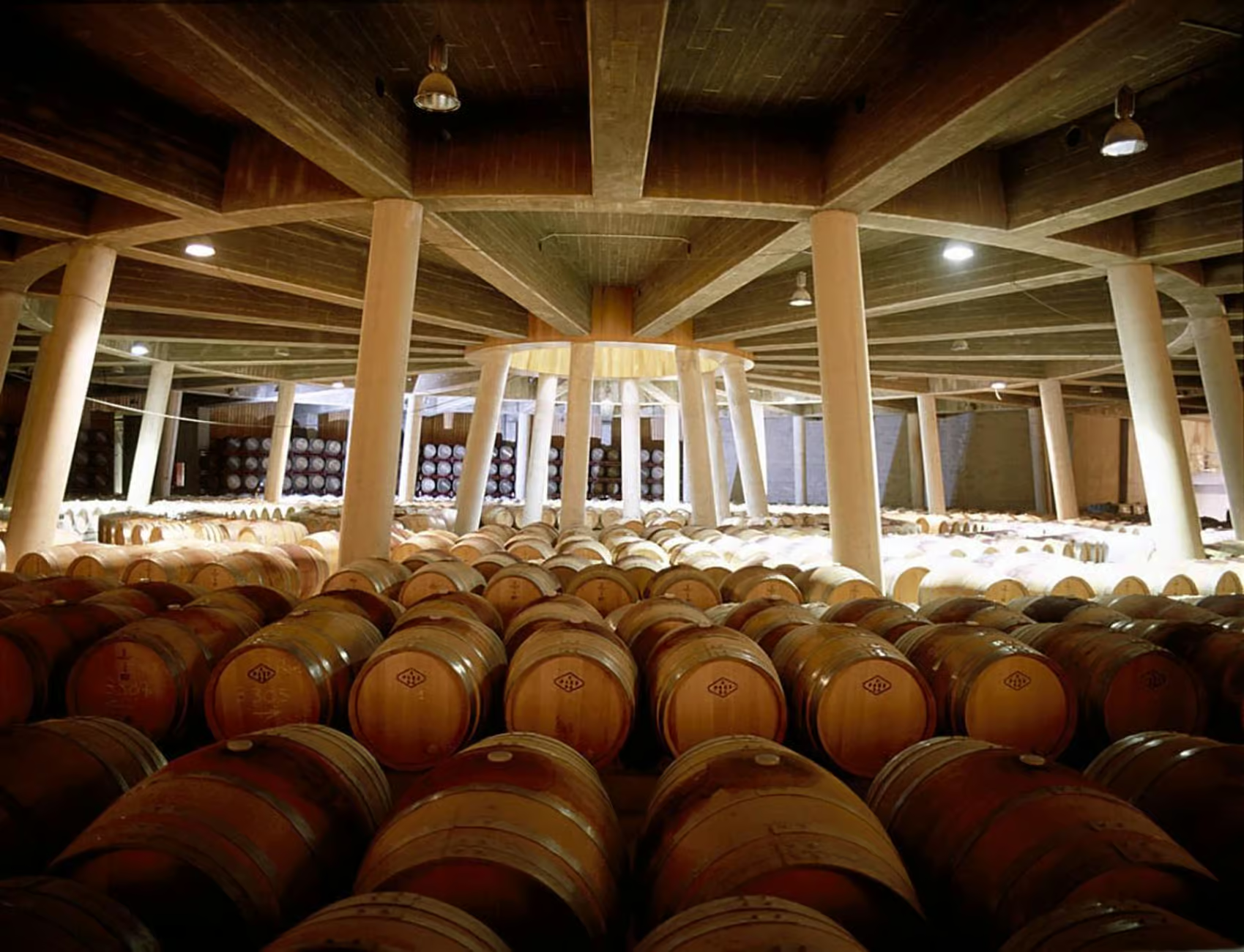
Wine production has historically been both an economic activity and a defining cultural element of the town. Family wineries, cooperative cellars, and historic underground caves remain part of daily life in Labastida.
Practical Information for Visitors
Labastida is located approximately 50 kilometers south of Vitoria-Gasteiz and is accessible by road through the Rioja Alavesa wine route. The town is best explored on foot, particularly the historic center and hillside viewpoints.
Visitors often combine Labastida with nearby towns such as Laguardia, Samaniego, Labraza and Elciego. Spring and autumn are especially popular seasons due to vineyard scenery and mild weather in the Basque Country.
Updated on May 14, 2026