The area surrounding Donostia–San Sebastián contains some of the most important military and defensive structures in the Basque Country. Due to its strategic location near the French border and the Bay of Biscay, Gipuzkoa became a heavily fortified territory for centuries. Castles, forts, and defensive walls played a central role in protecting trade routes, coastal access, and frontier territories during conflicts involving the Kingdom of Castile, France, and later Spain.
Unlike the large royal castles found in central Spain, fortifications near San Sebastián often evolved according to military technology and changing political tensions. Medieval strongholds were later adapted into artillery forts and defensive bastions capable of resisting modern warfare. Today, these castles and fortifications provide visitors with a unique opportunity to explore the military history of the Basque Country while enjoying panoramic coastal and mountain landscapes. Many are located close to historic old towns, hiking routes, and natural viewpoints, making them excellent destinations for combining history, architecture, and outdoor exploration near Donostia–San Sebastián.
Mota Castle
Mota Castle dominates Mount Urgull above the old town of San Sebastián and is one of the city’s most historically important landmarks. The construction of the fortress dates back to 1194, when Sancho VII the Strong of Navarre built the first stronghold and surrounded the newly created town with defensive walls.
The castle gradually evolved into a major defensive fortress protecting the strategic harbor of Donostia. Over the centuries, it was reinforced repeatedly due to wars involving France, England, and Spain, particularly during the Peninsular War and nineteenth-century conflicts.
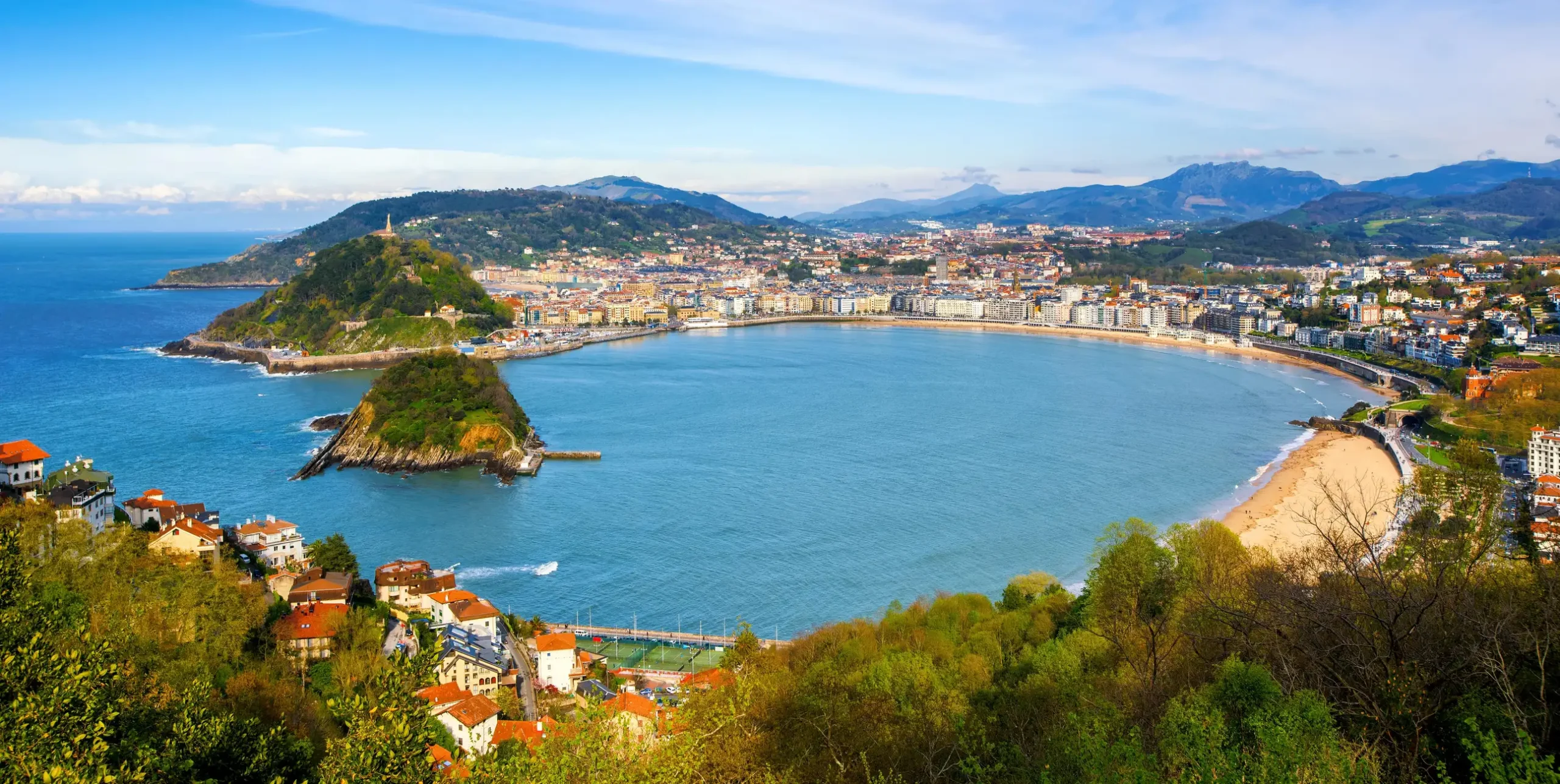
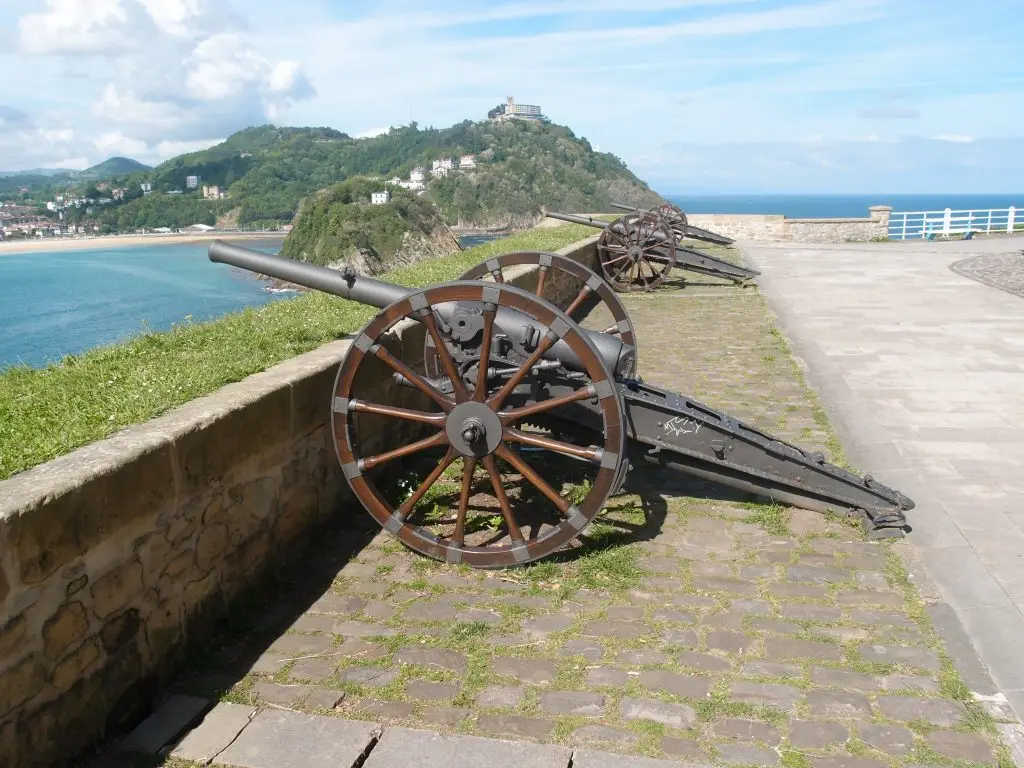
Today, visitors can explore parts of the fortress complex, defensive walls, cannons, and panoramic viewpoints overlooking La Concha Bay, Zurriola Beach, and the Cantabrian coast. The castle also houses the History House museum, which explains the historical evolution of San Sebastián through exhibitions and audiovisual displays. One of the most recognizable features of Mount Urgull is the large Sacred Heart statue visible from much of the city.
Access to Mota Castle is free, and the site can be reached on foot from the Parte Vieja through several scenic walking paths. The climb is moderately steep but offers some of the best views in the Basque Country.
Fuerte de San Marcos
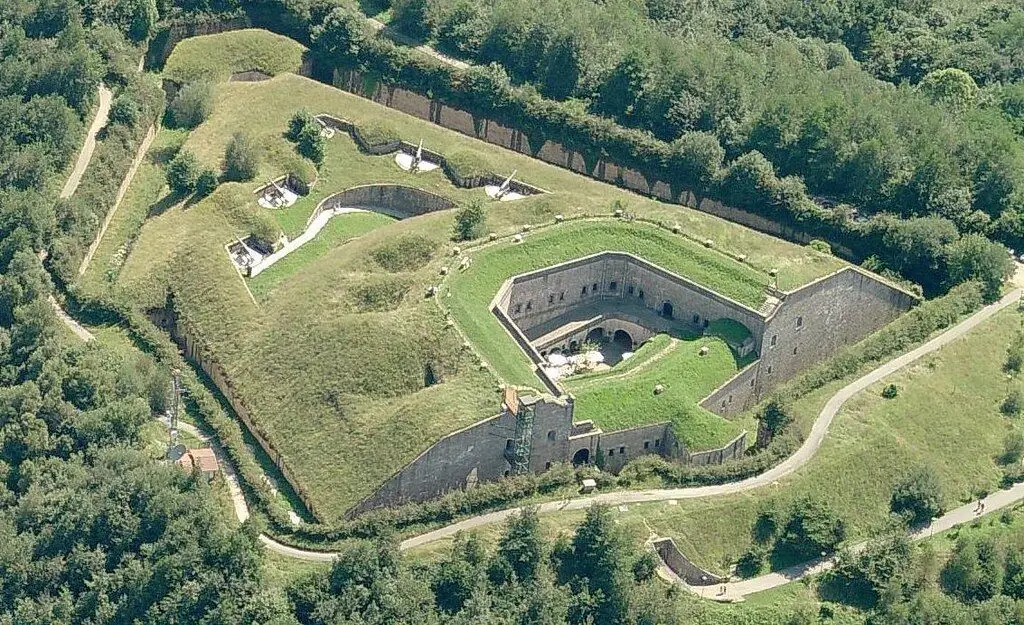
Fuerte de San Marcos is a nineteenth-century military fort located on Mount San Marcos between San Sebastián and Errenteria. Built as part of a broader defensive network following the Carlist Wars, the fortress reflects the transition from medieval fortifications to modern military engineering designed for artillery warfare. Thick stone walls, underground passages, defensive batteries, and strategic hilltop positioning demonstrate the military importance of controlling access routes around Donostia and the nearby French border.
Unlike more decorative castles, Fuerte de San Marcos was designed primarily for military functionality. Today, much of the structure remains preserved, allowing visitors to walk through tunnels, interior courtyards, and defensive positions while enjoying panoramic views over the surrounding valleys and coastline.
The fort is particularly popular among hikers and cyclists due to its elevated location and nearby mountain routes. It is accessible by road from San Sebastián in approximately 20 minutes, although having a car is recommended. The surrounding area also includes picnic spaces and natural viewpoints ideal for combining history with outdoor activities.
Castle of Hondarribia
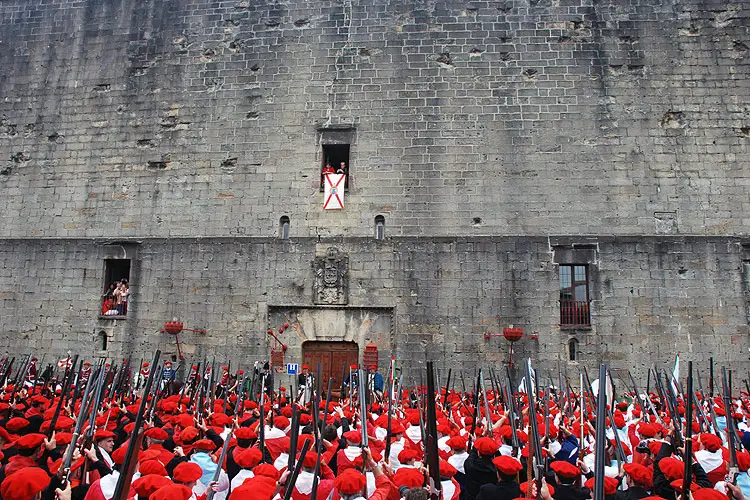
Castle of Hondarribia forms part of the exceptionally well-preserved medieval defensive system of Hondarribia, one of the most historic towns in the Basque Country. Located near the French border at the mouth of the Bidasoa River, Hondarribia held enormous strategic importance for centuries and was repeatedly attacked during wars between Spain and France.
The castle, originally medieval in origin, was later reinforced during the sixteenth century under Emperor Charles V as artillery warfare transformed military architecture across Europe. Today, the fortress functions as a Parador hotel, allowing visitors to stay inside one of the region’s most historic buildings while preserving much of its defensive character, thick stone walls, and towers.
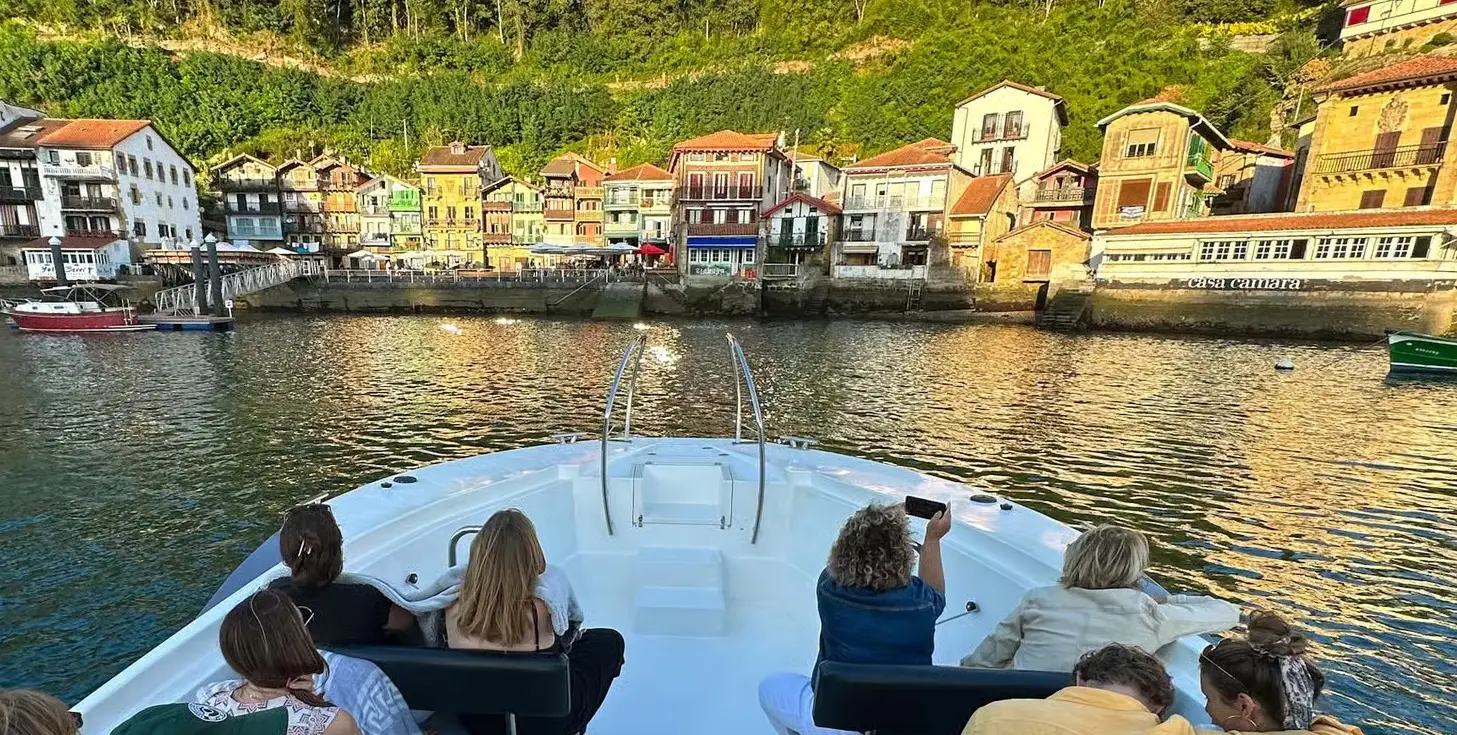
The surrounding old town remains enclosed by defensive walls and contains narrow medieval streets, traditional Basque houses, and historic gates. Visitors can walk along sections of the fortifications while exploring nearby plazas, restaurants, and the fishing district of La Marina. Hondarribia is easily accessible from San Sebastián by car or public transport and is considered one of the most beautiful historic towns in Gipuzkoa.