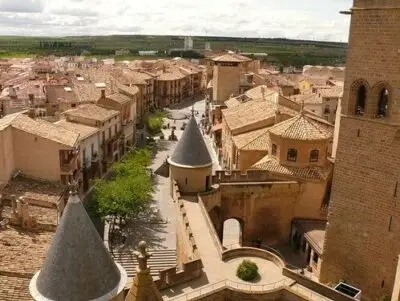
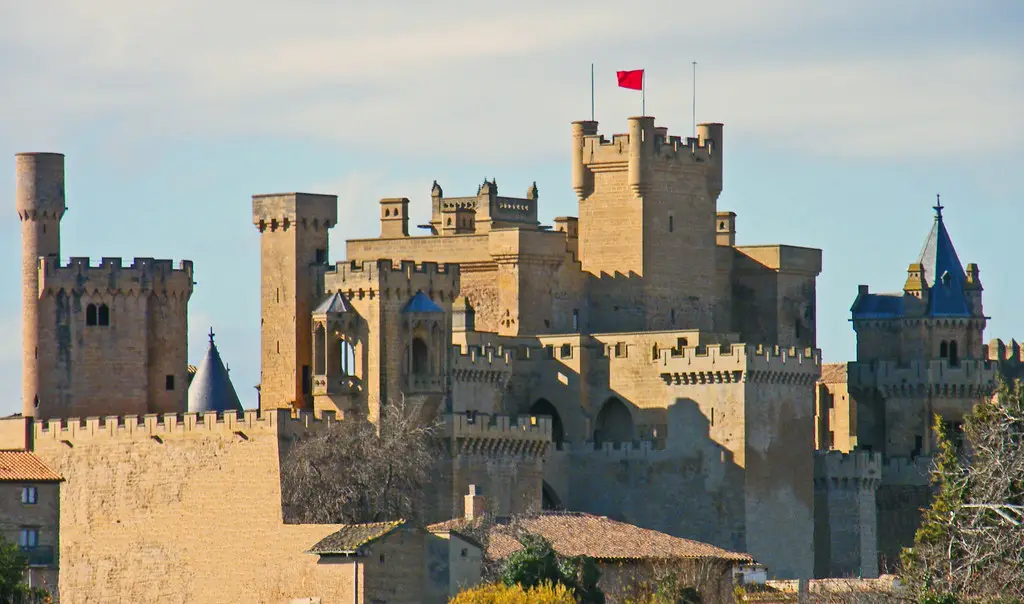
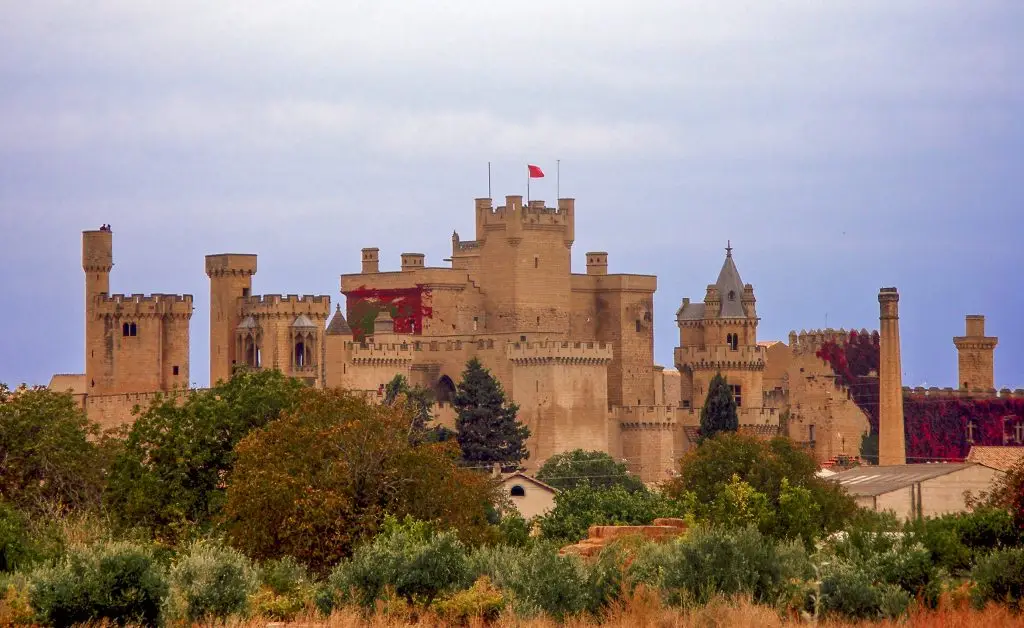
Royal Palace of Olite is one of the most extraordinary medieval royal residences in the Iberian Peninsula and one of the architectural jewels of Navarre. Although commonly referred to as the “Castle of Olite,” the building is more accurately described as a royal palace, since its residential and courtly functions clearly prevailed over purely military purposes.
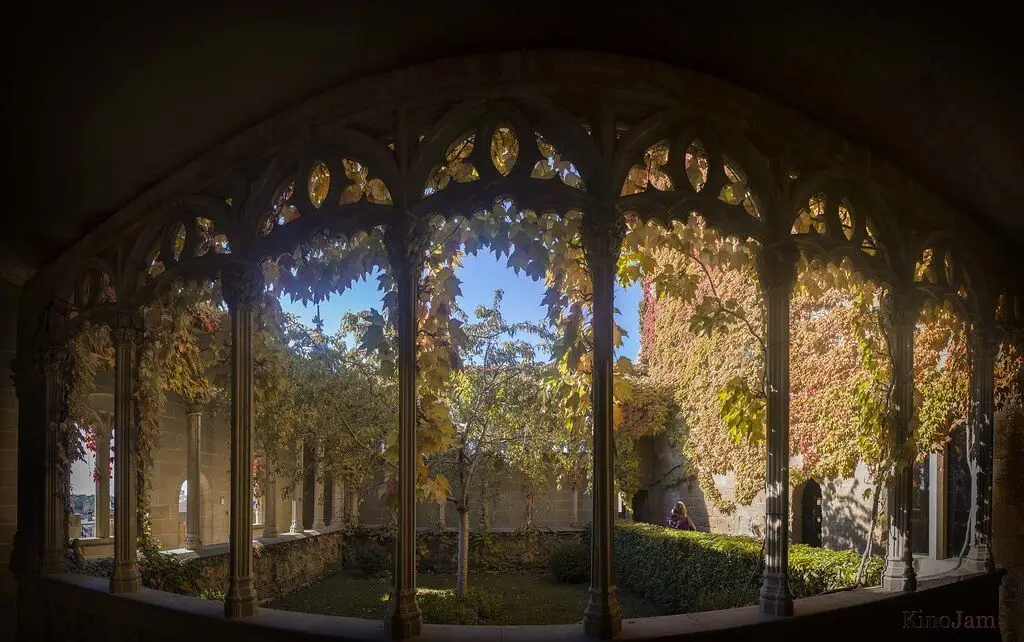
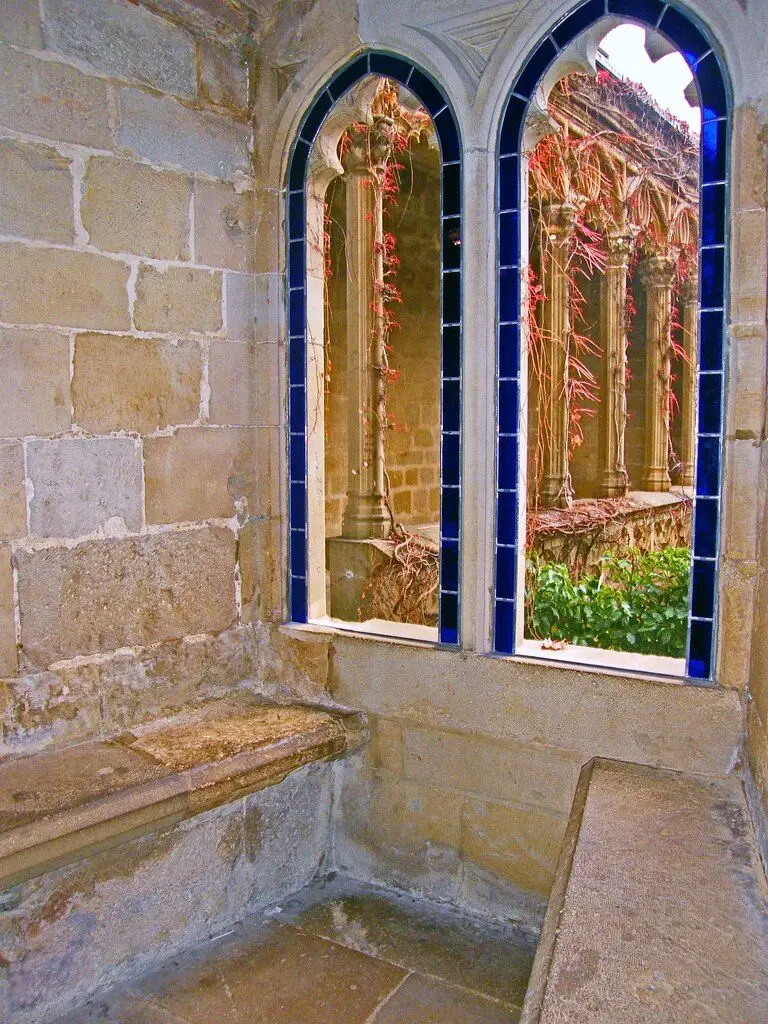
The palace began to take its current form during the late 14th and early15th centuries under King Charles III “the Noble” of Navarre. It was he who expanded the earlier fortress into the magnificent Palace of the Kings of Navarre, transforming Olite into a permanent royal seat filled with gardens, courtyards, towers, galleries, and luxurious decorative elements. At the time, the palace was considered one of the most beautiful royal residences in Europe.
Architecture and Historical Evolution
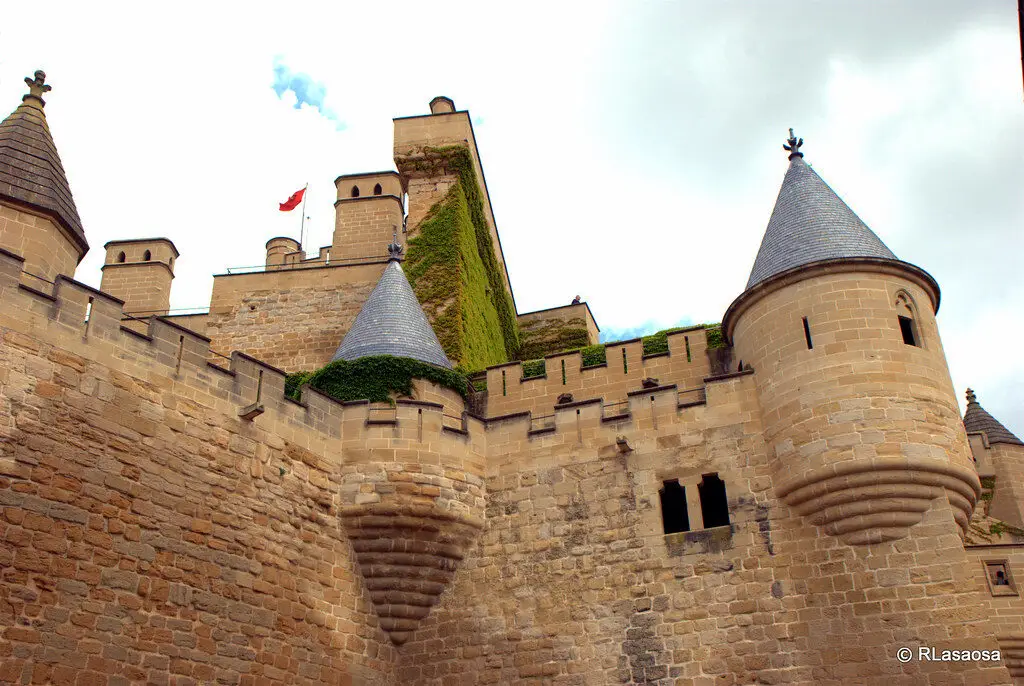
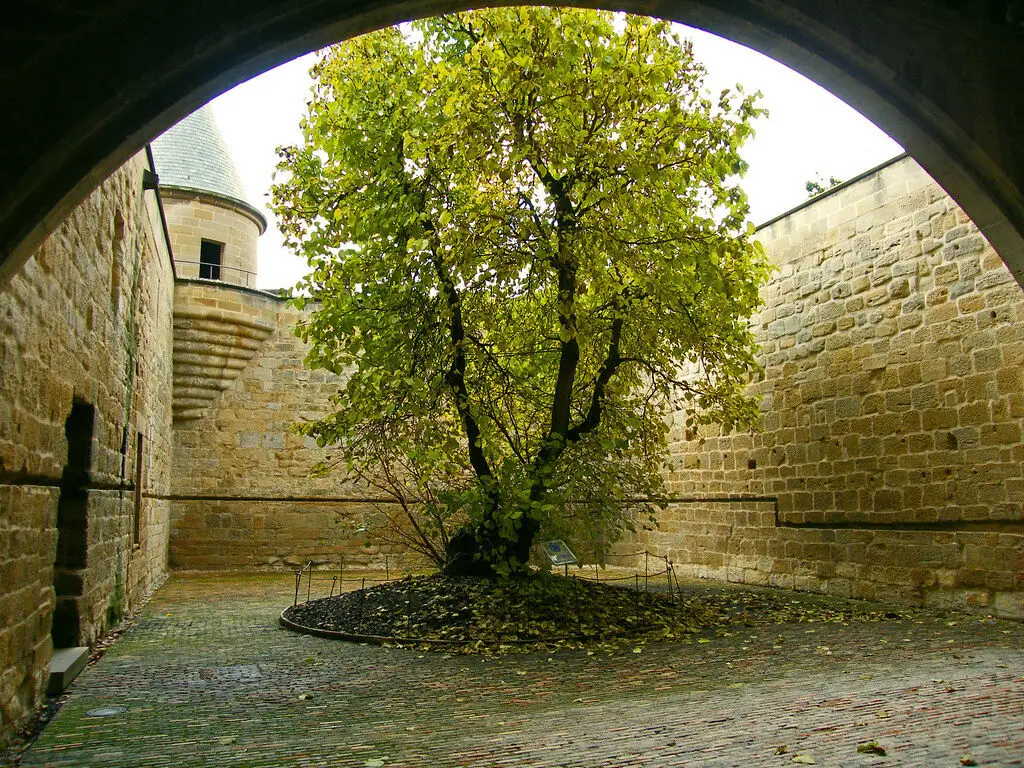
One of the palace’s greatest charms is the apparent irregularity of its design. Rather than being constructed as a single unified project, the complex evolved through continuous expansions and reforms carried out over centuries. This created a labyrinthine ensemble of halls, towers, gardens, terraces, and defensive walls that gives the palace its unique silhouette.
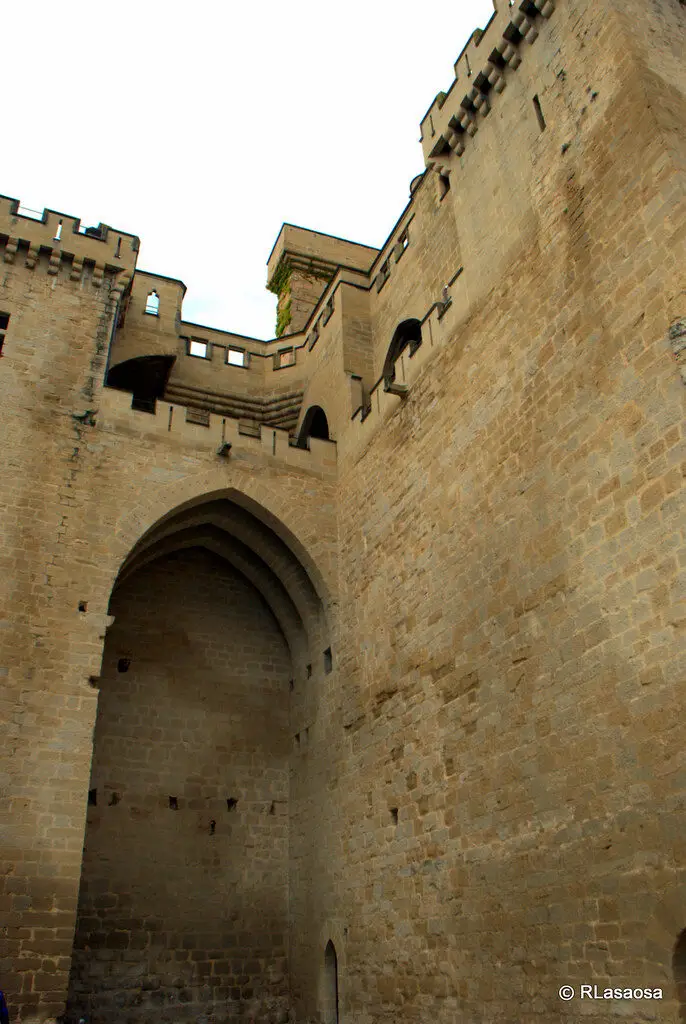
Despite its palace character, the building retains impressive defensive features including high walls, towers, battlements, and moats. The combination of military architecture with refined Gothic residential spaces makes Olite unique within the historical architecture of Navarre and the wider Basque cultural region.
Decline, Restoration, and Visitor Information
Following the Castilian-Aragonese invasion of Navarre in 1512, the palace gradually fell into decline, as it was only occasionally used by viceroys. Its deterioration culminated in 1813 during the Peninsular War, when the guerrilla leader Espoz y Mina ordered the palace burned to prevent Napoleon’s troops from fortifying themselves inside.
Extensive restoration works during the 20th century helped recover much of the complex. Today, visitors can explore towers, courtyards, royal chambers, and panoramic walkways while learning about the history of the Kingdom of Navarre. Guided tours are available, and the palace remains one of the most visited historic monuments in Navarre.
Updated on May 22, 2026