This is not a tourist attraction and may not offer toilets, parking, or other services. Visit at your own responsibility.
Castillo de Santacara is one of the lesser-known medieval fortifications in Navarre, yet it offers valuable insight into the defensive history of the historic Kingdom of Navarre. Located near the village of Santacara in southern Navarre, the castle ruins occupy a strategic elevated position overlooking surrounding plains and communication routes that were historically important for trade and military control.
History of the Castle
Castle of de Santacara was built during the 13th century and formed part of a defensive network that monitored the Aragón Valley against possible invasions from neighbouring kingdoms. Its strategic position allowed visual communication with several nearby fortifications that once protected this area of Navarre.
On the other side of the river stood the castle and walled settlement of Mélida, while further upstream was the castle of Murillo el Fruto. Higher in the surrounding hills were the castles of Castle of Ujué and San Martín de Unx. Further south, the defensive line continued with the castle of Caparroso and the fortified settlement of Rada. Together, these fortifications created an interconnected medieval surveillance system that controlled movement through the region and protected the Kingdom of Navarre from external threats.
The castle was ordered to be destroyed in the 16th century following the invasion of the Kingdom of Navarre by the Castilian troops of the Duke of Alba in 1512, under the orders of King Ferdinand II of Aragon. After the military occupation, Cardinal Cisneros decreed the destruction of the towers of Navarre’s castles in order to prevent future rebellions. Castillo de Santacara was demolished alongside other emblematic Navarrese fortresses such as Castle of Javier and the Castle of Maya.
Architecture and Current Situation
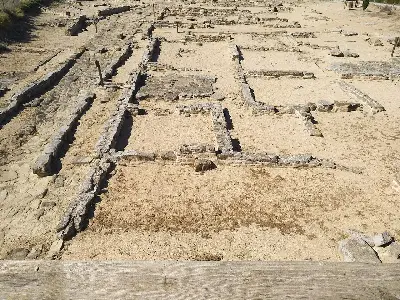
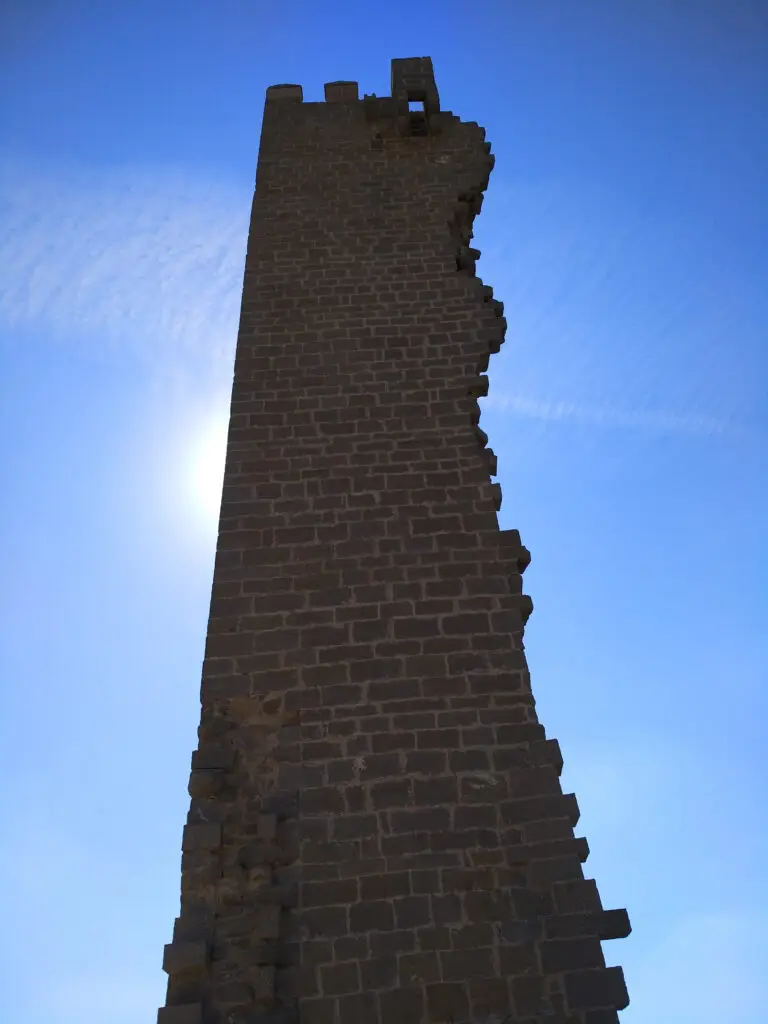
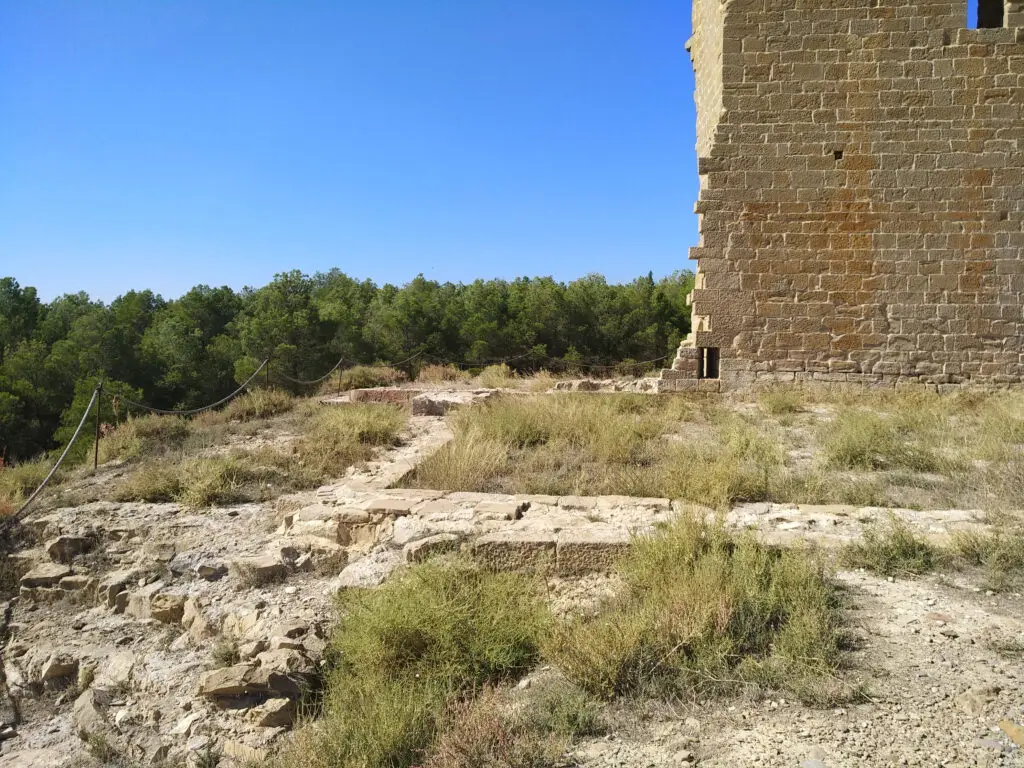
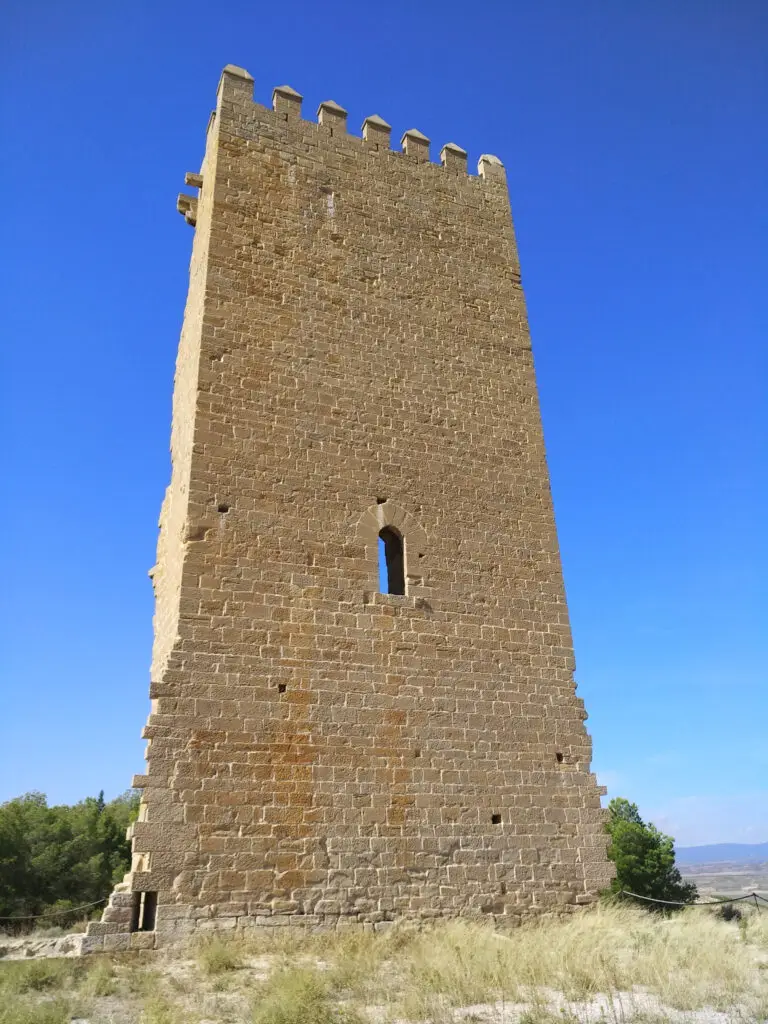
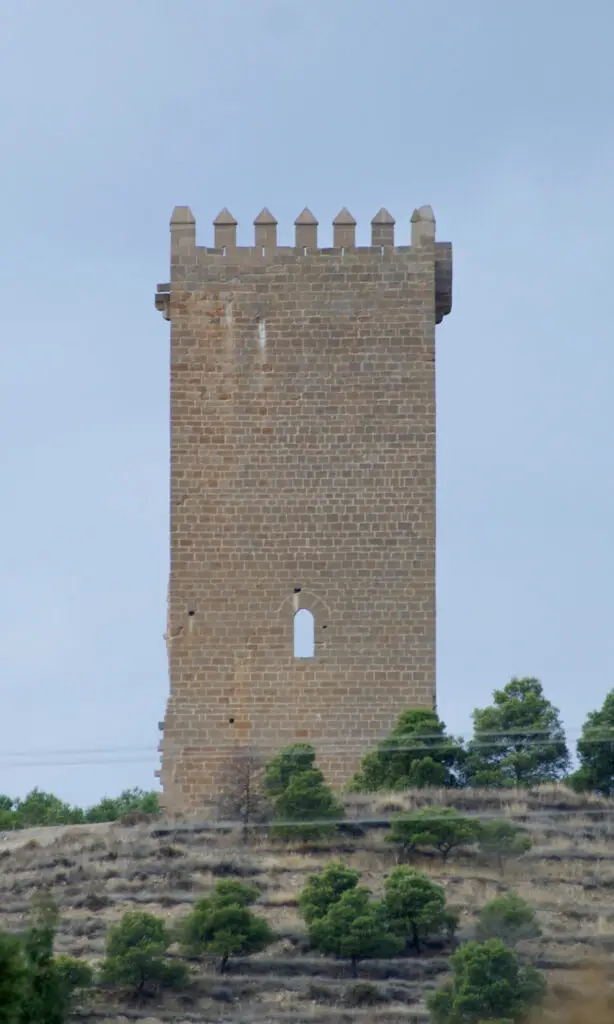
Today, the remains of Castillo de Santacara consist primarily of ruined defensive walls and structural fragments integrated into the hilltop landscape. Even in its partially ruined state, the site still conveys the strategic logic behind medieval castle construction, particularly its commanding visibility over the surrounding territory.
The castle is also part of the broader historical landscape of Navarre, where Roman settlements, medieval churches, and fortified towns coexist within relatively short distances. For visitors interested in medieval history, the ruins can be combined with routes exploring castles and heritage sites across central and southern Navarre.
Practical Information for Visitors
The castle can be accessed from the village of Santacara through short walking routes leading uphill to the ruins. Because parts of the terrain are uneven and exposed to weather conditions, suitable footwear is recommended.
Visitors should note that the site is valued primarily for its historical atmosphere, landscape views, and archaeological interest rather than for restored interiors or extensive visitor facilities.
Updated on June 14, 2026