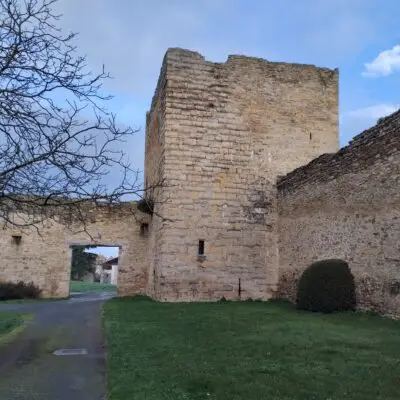
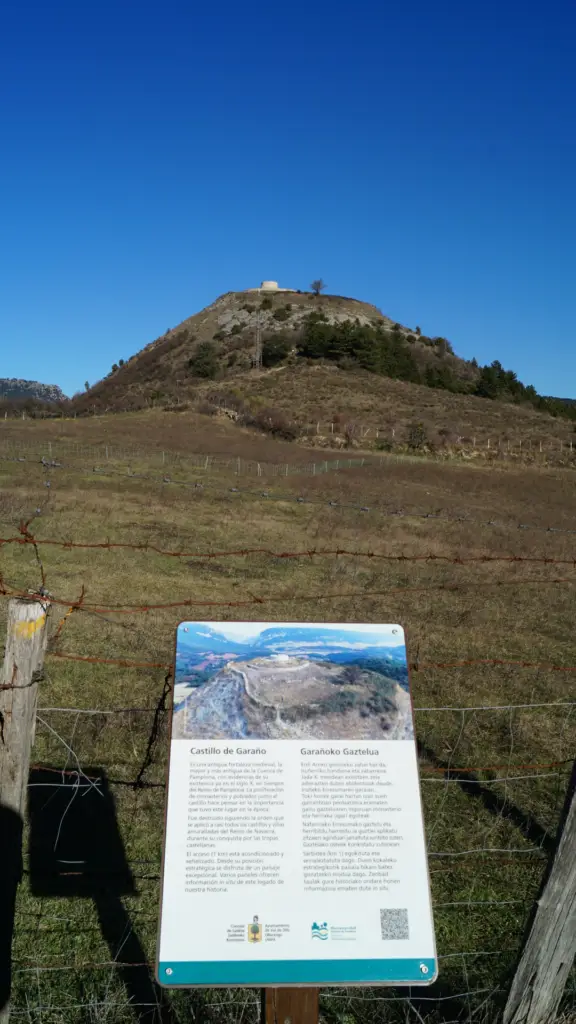
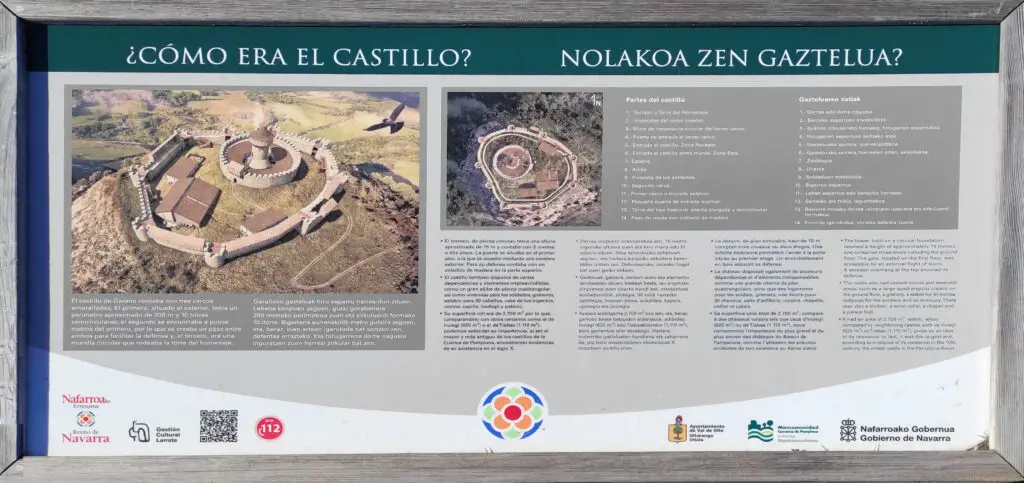
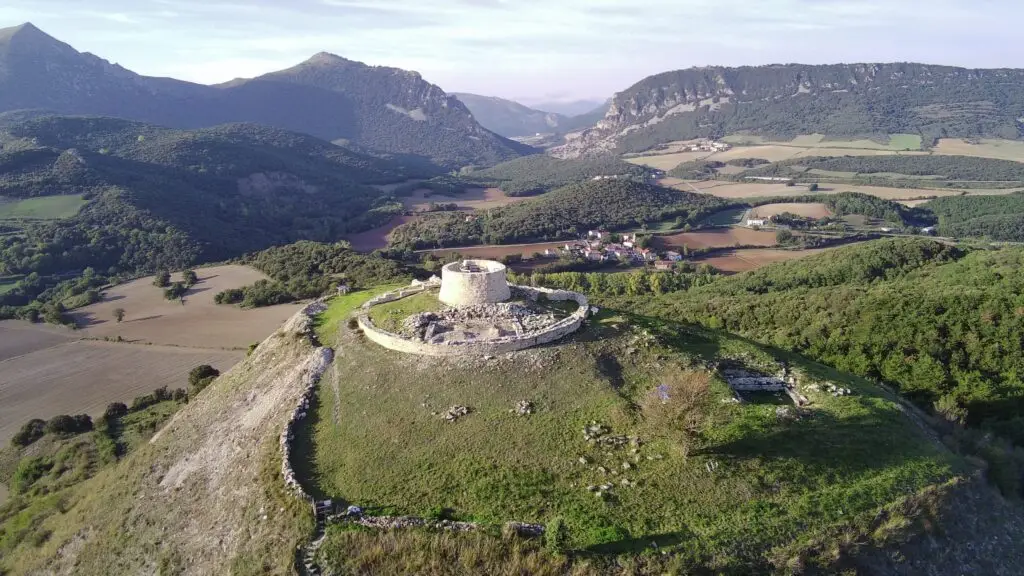
Castle of Garaño is considered one of the oldest fortresses in the region surrounding Pamplona and among the earliest castles documented in the historic Kingdom of Navarre. Today the site survives largely in ruins, yet its strategic position and archaeological importance make it a significant location for understanding the military history of medieval Navarre and the earlier defensive systems that existed before the consolidation of the kingdom.
Early Origins and Archaeological Importance
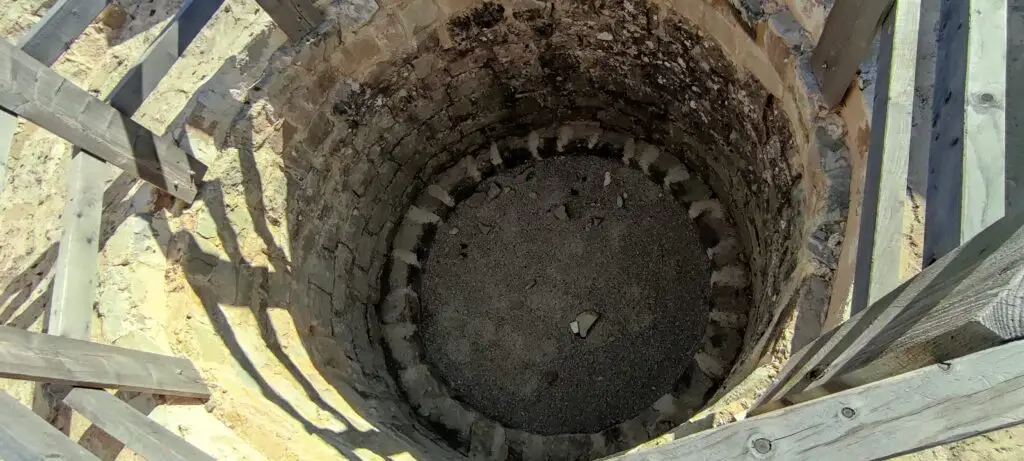
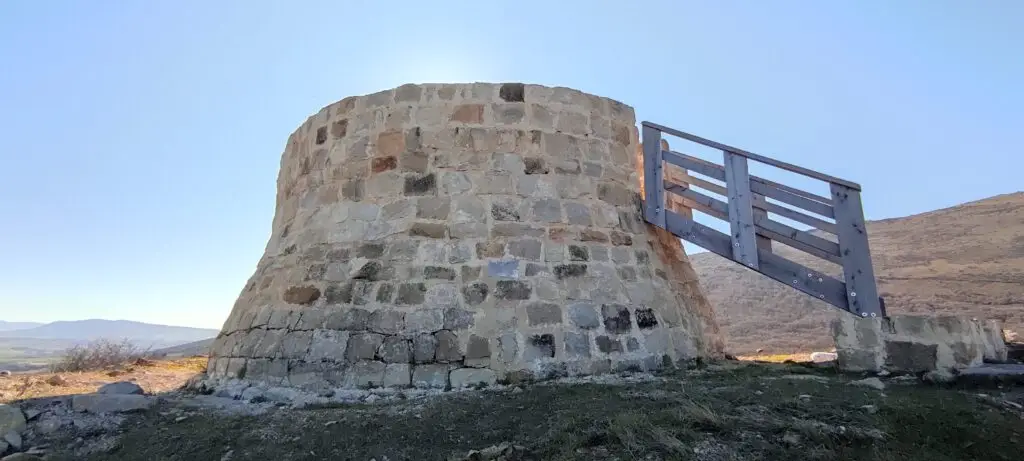
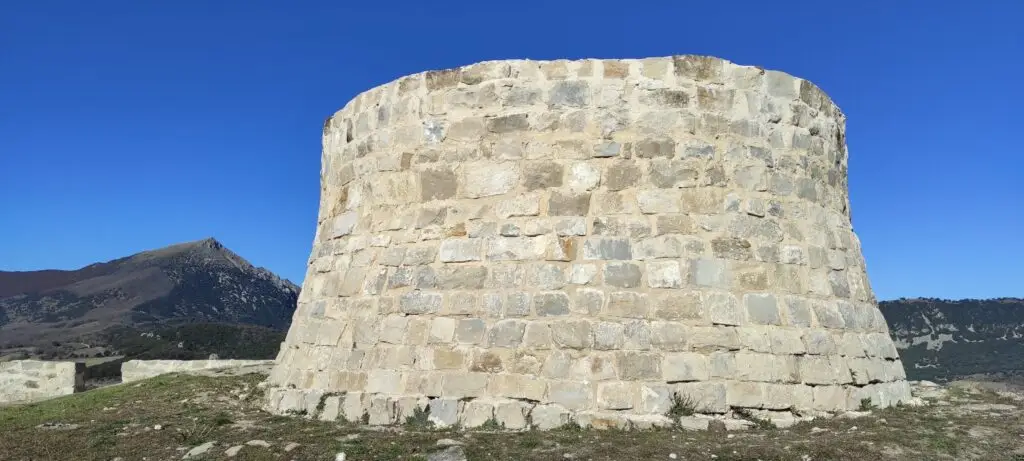
The origins of the fortress may date back to the early Middle Ages or even earlier. According to archaeologist Iñaki Sagredo, an archaeological layer showing evidence of fire was discovered at the base of the tower and dated to the 8th century. Coins from the 11th century were also found among the ruins, confirming the long occupation of the site.
Some historians believe the castle may correspond to the enigmatic fortress of Sajrat Qais, mentioned in Arabic chronicles between the 8th and 10th centuries. If correct, this would place Garaño among the earliest fortified centres associated with the frontier conflicts between Muslim and Christian territories in northern Iberia.
Medieval History and the War of Navarre
The castle gained particular importance during the medieval conflicts affecting Navarre. Its conquest during the War of Navarre in 1276 is described in detail in the famous poem by Guihem de Anelier, one of the most valuable literary sources for understanding the civil wars and political struggles of 13th century Navarre.
Because of its position near Pamplona, the fortress controlled communication routes and surrounding territory, functioning as part of the wider defensive network of castles and fortified settlements protecting the kingdom.
Destruction and Current Situation
The destruction of the castle dates to 1512, shortly after the Castilian conquest of Navarre. It was among the first fortresses ordered to be dismantled, likely to prevent the local population from using it as a defensive stronghold against Castilian military control.
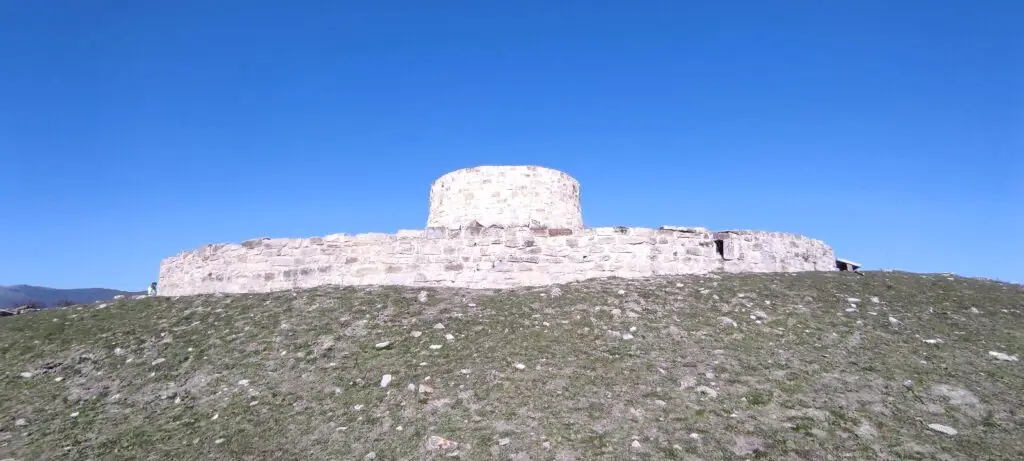
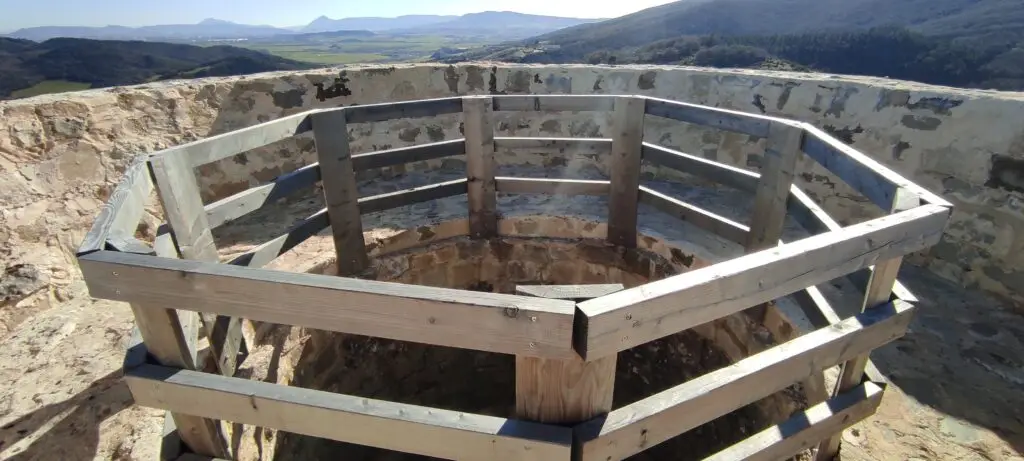
Today, the ruins remain as an archaeological and historical site surrounded by the landscapes of central Navarre. Although only fragments survive, the remains continue to illustrate the strategic importance of castles in the history of the Basque Country and medieval Navarre.
Updated on May 28, 2026