Vitoria-Gasteiz is surrounded by some of the most beautiful and historically rich villages in northern Spain. Medieval hill towns, walled wine villages, mountain settlements, and salt-producing communities can all be reached within a short drive from the Basque capital.
Here are nine beautiful villages near Vitoria-Gasteiz that are well worth visiting.
1. Orduña
Orduña is one of the most unique towns in the Basque Country. Although it belongs to Bizkaia, it is geographically separated from the rest of the province and surrounded by Álava and Burgos.
Founded in the Middle Ages, Orduña became an important commercial town thanks to its strategic location on trade routes between the Castilian plateau and the Cantabrian coast. The town received its charter in 1229 and prospered through commerce and customs taxes.
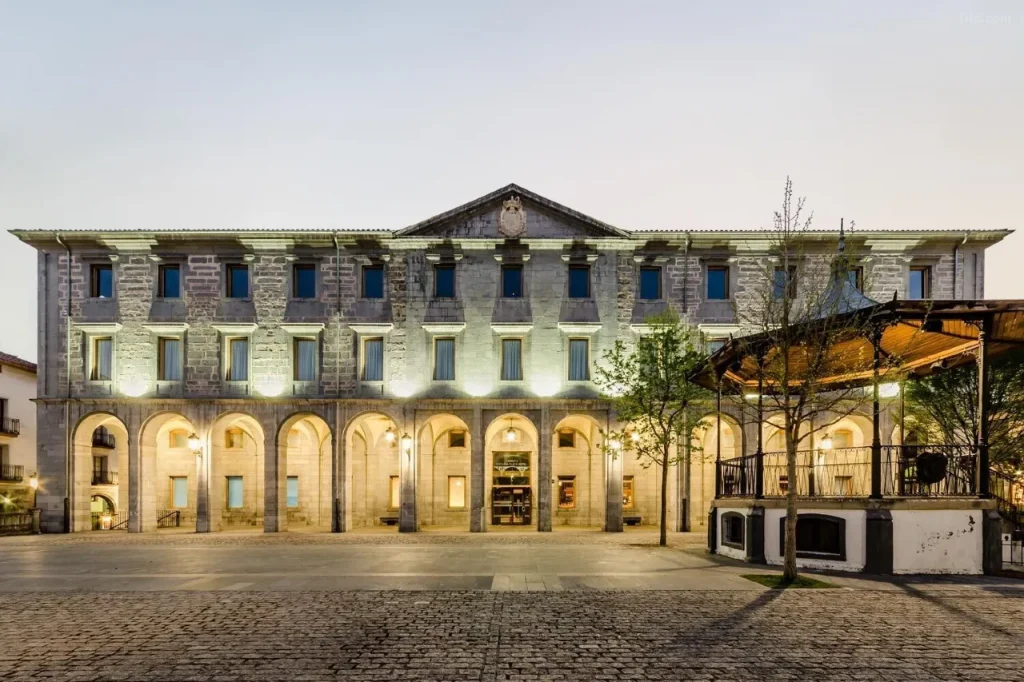
Its elegant historic center still reflects that prosperous past. The large Plaza de los Fueros is one of the most beautiful squares in the Basque Country, surrounded by palaces, arcaded buildings, and the imposing Church of Santa María. The small but interesting Orduña Museum offers visitors a deep dive into the region’s rich history, culture, and heritage.
One of the main attractions near Orduña is the dramatic Salto del Nervión viewpoint, where the Nervión River forms the highest waterfall in the Iberian Peninsula after heavy rains. The surrounding cliffs and hiking trails are spectacular.
Visitors can also enjoy local gastronomy, mountain hiking, and scenic drives through the nearby Sierra Salvada Natural Area.
2. Artziniega
Located northwest of Vitoria-Gasteiz, Artziniega is a small medieval town with a remarkably well-preserved historic center.
Founded in 1272 by the Kingdom of Castile, Artziniega developed as a defensive and commercial settlement near the borderlands between Castile and the Basque territories. Its medieval street layout is still largely intact today.
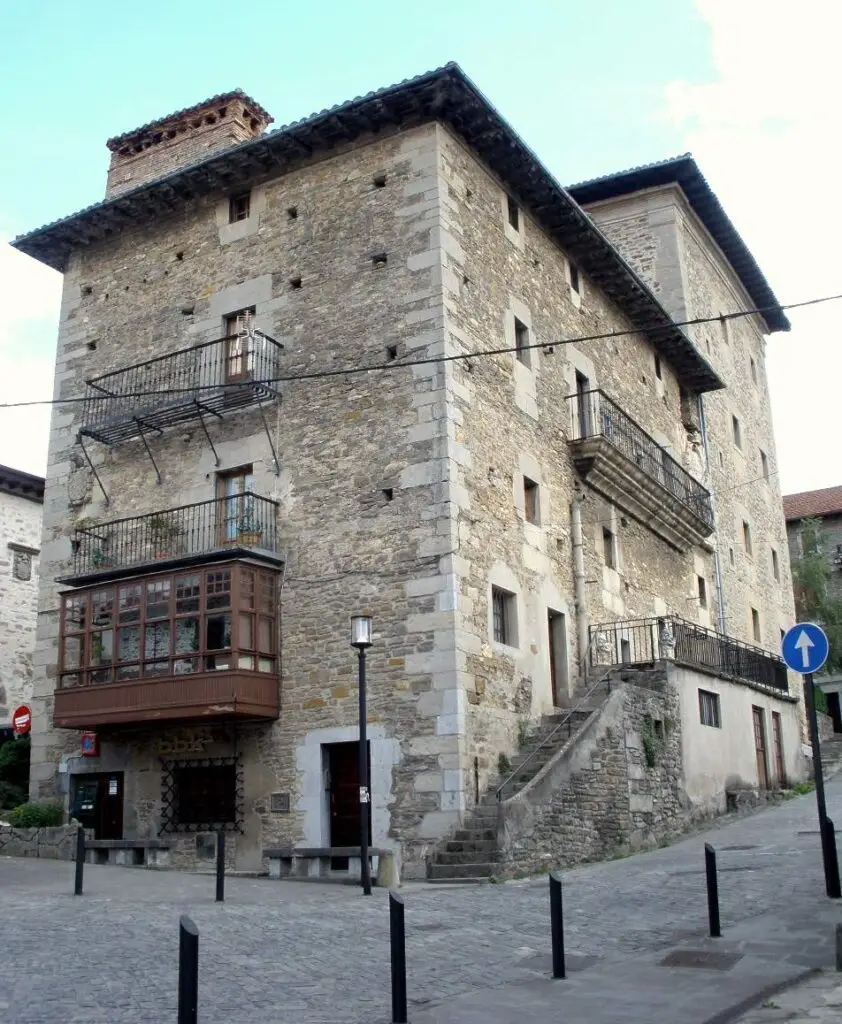
Walking through the old quarter, visitors will find stone mansions, noble houses, arcaded streets, and Gothic churches. The Sanctuary of Nuestra Señora de la Encina is one of the town’s main landmarks.
One of the most interesting attractions is the Ethnographic Museum of Artziniega, which showcases traditional rural life and crafts from the region.
The surrounding countryside is green and mountainous, making the village a pleasant stop for visitors exploring the Ayala Valley.
3. Laguardia
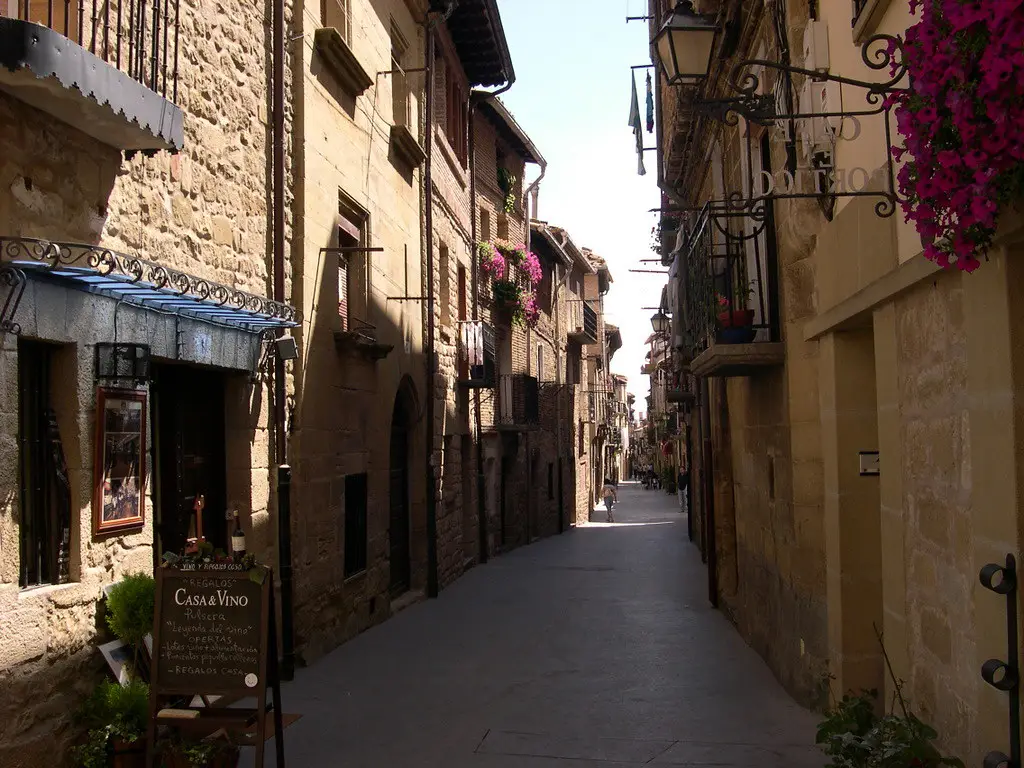
Laguardia is probably the most famous medieval village in Rioja Alavesa and one of the most beautiful wine towns in Spain. Founded in the 10th century as a fortified settlement of the Kingdom of Navarre, Laguardia occupies a strategic hilltop position overlooking endless vineyards.
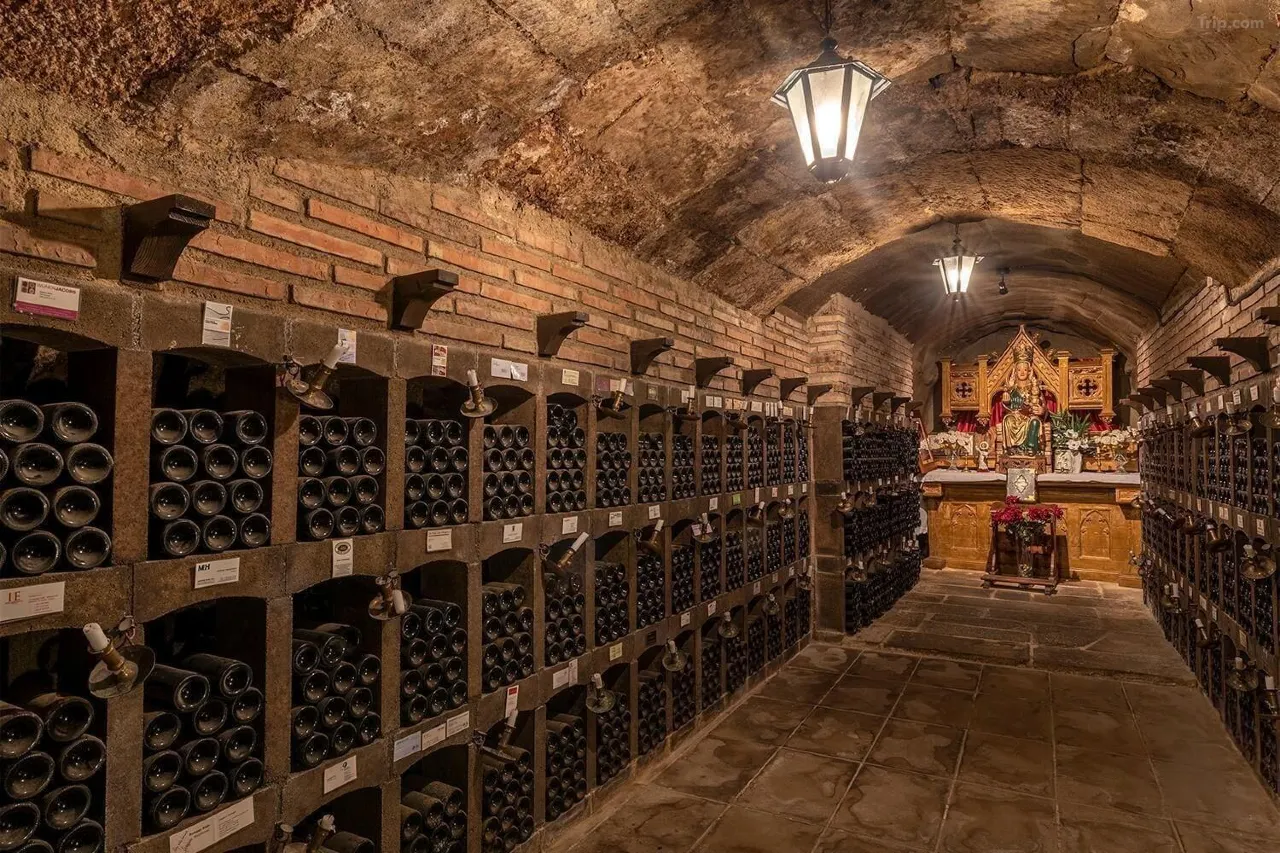
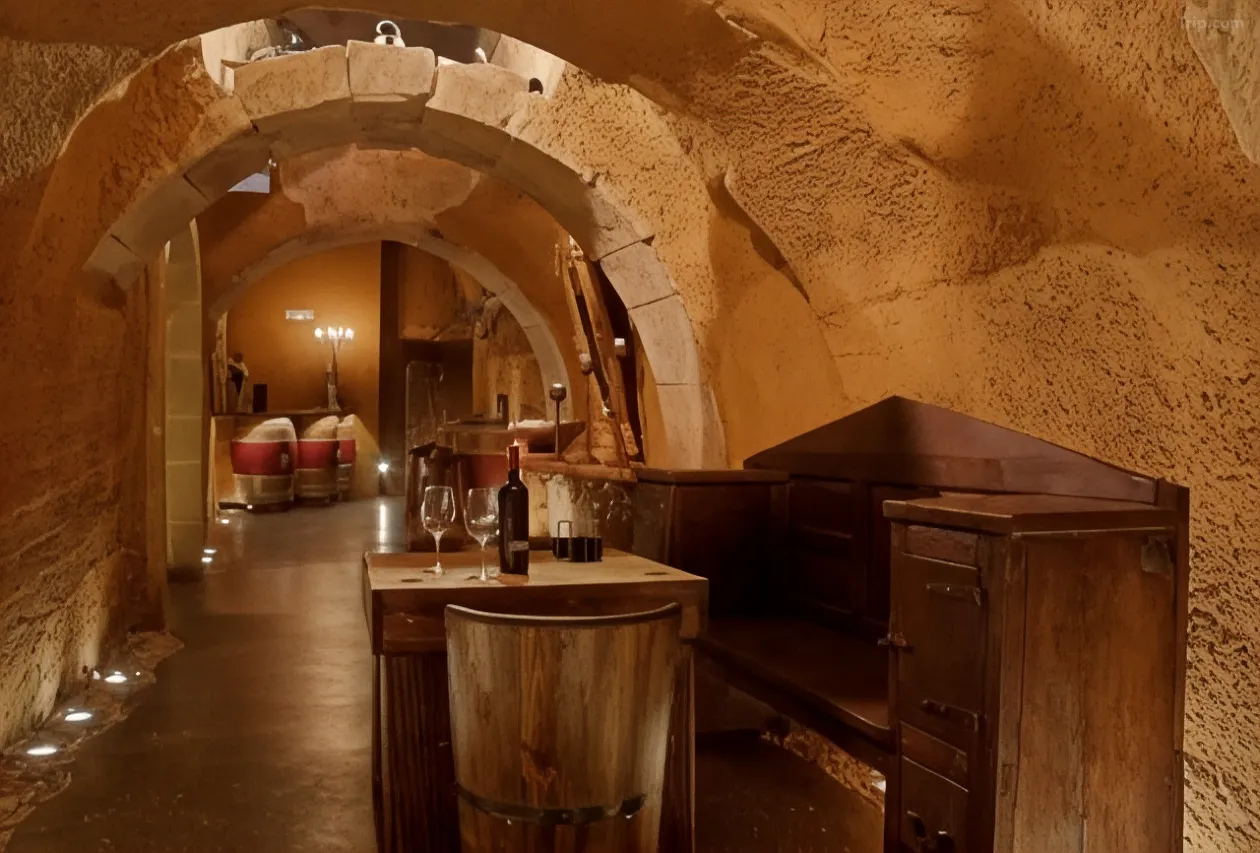
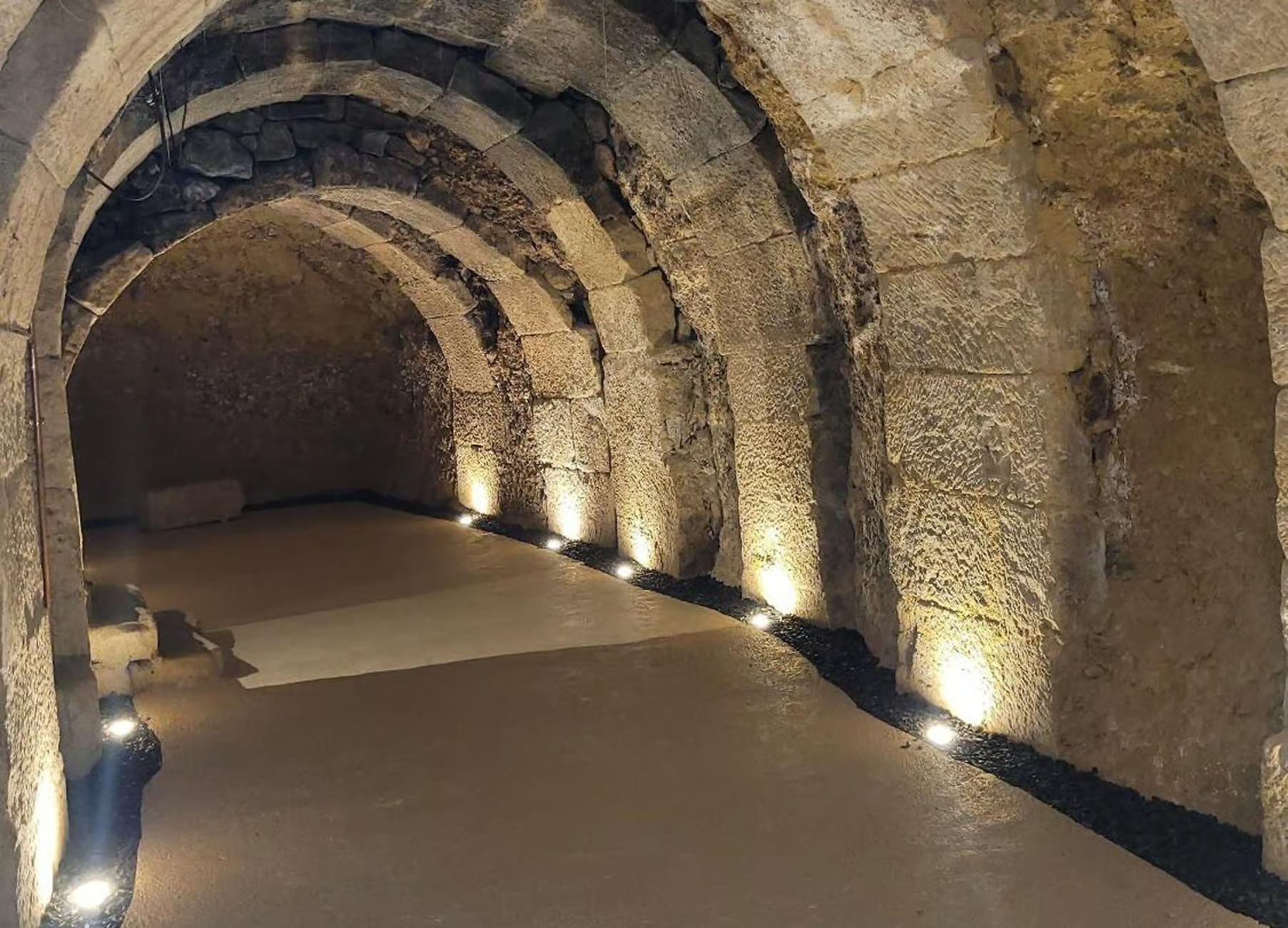
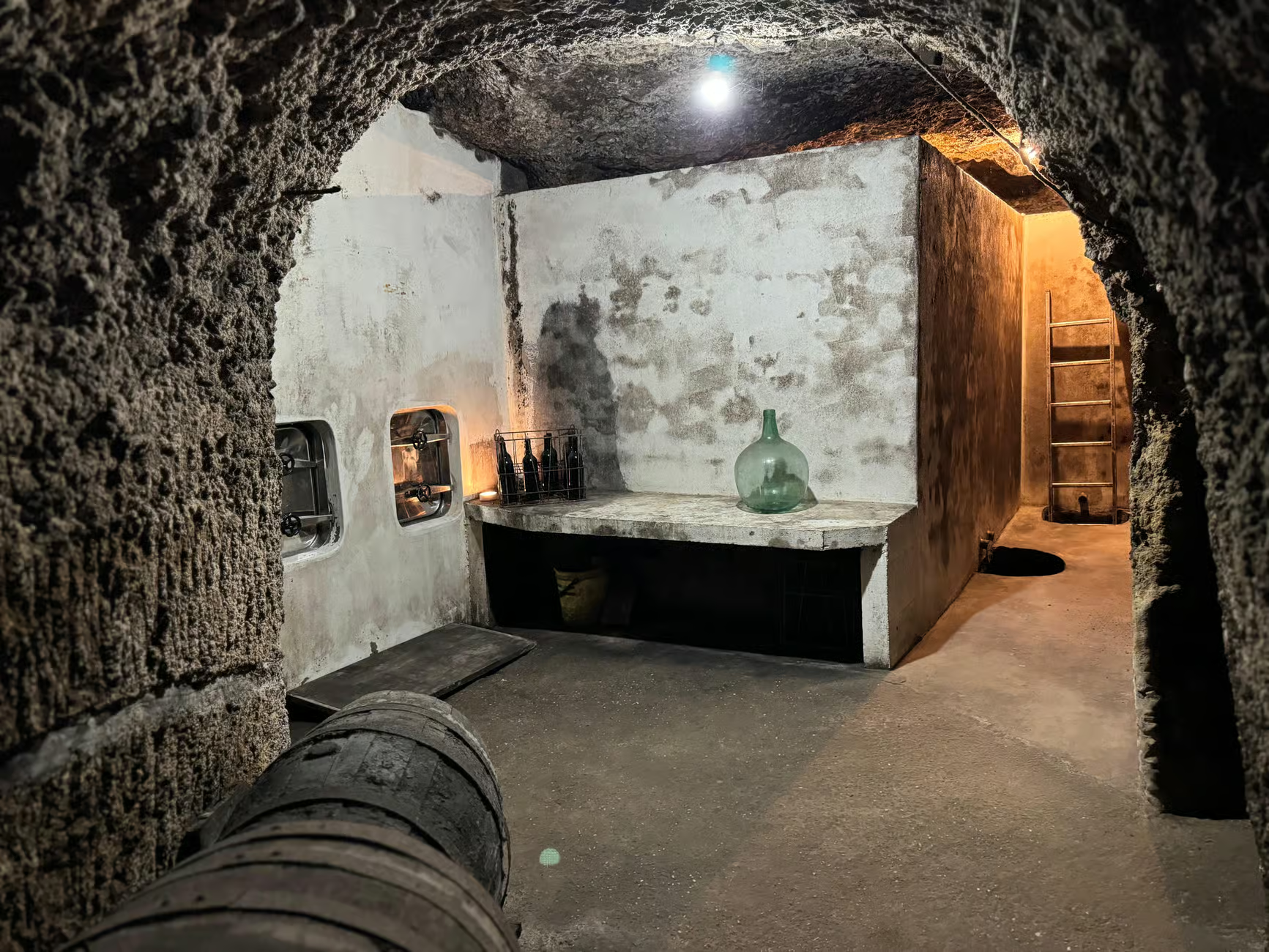
The village is still surrounded by medieval walls, and cars are largely restricted from the historic center, helping preserve its atmosphere. Beneath the streets lies a network of underground wine cellars excavated centuries ago. Among the main landmarks are the Church of Santa María de los Reyes, famous for its beautifully preserved Gothic portico, and the old town gates and defensive walls.
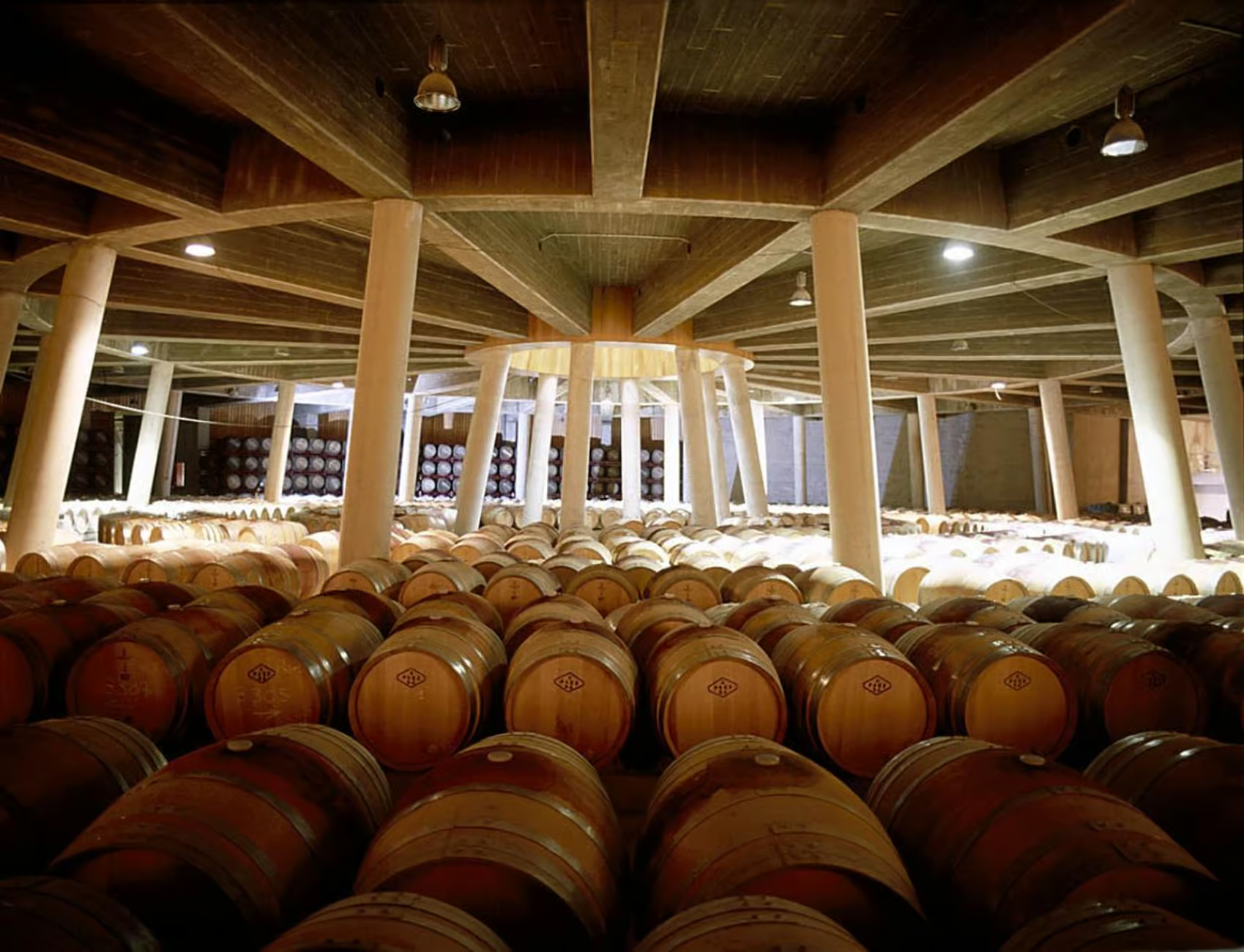
Wine tourism is naturally one of the biggest attractions. The surrounding area is home to many wineries, including the world-famous Marqués de Riscal and Ysios wineries.
Laguardia is also surrounded by several pre-Roman archaeological sites. Among the most important are the remains of the Poblado de La Hoya, an important Iron Age settlement inhabited by Celtiberian peoples more than 2,000 years ago, and the nearby Celtiberian Pond of Barbacana, an unusual ancient water reservoir carved into the rock. The area is also home to several prehistoric megalithic monuments, including the Dolmen de San Martín and the Dolmen de El Alto de la Huesera, both built thousands of years ago during the Neolithic and Bronze Ages.
4. Agurain
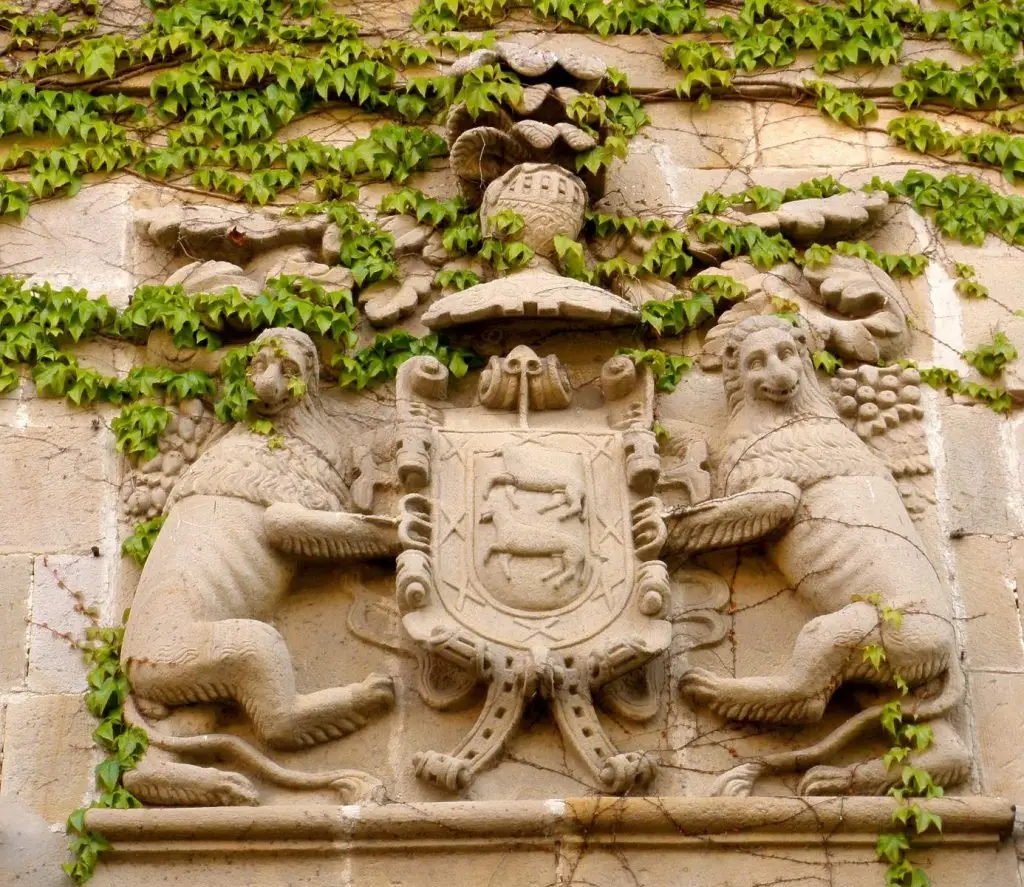
Agurain, also known as Salvatierra in Spanish, is one of the best-preserved medieval towns in the Basque interior.
Founded in 1256 by King Alfonso X of Castile, the town became an important defensive settlement on the route connecting Castile with Navarre and France. Agurain still preserves much of its medieval urban structure, including sections of its walls, fortified churches, and long narrow streets lined with stone houses.
The Churches of Santa María and San Juan are especially notable because of their fortress-like appearance, reflecting the defensive role they once played. Nearby, the Church of San Martín de Tours in Gazeo is a remarkable example of Romanesque architecture in Araba.
The town has a calm and authentic atmosphere with relatively little tourism compared to more famous destinations in the Basque Country.
5. Oñati
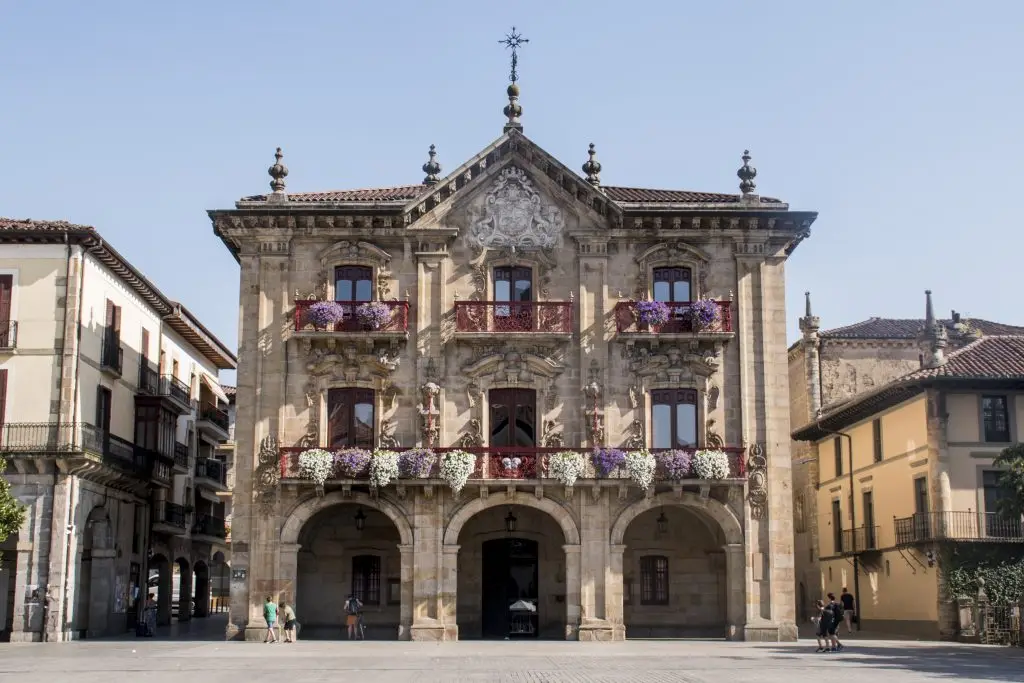
Nestled among mountains in Gipuzkoa, Oñati is often considered one of the most beautiful inland towns in the Basque Country. Historically, Oñati developed under the influence of powerful noble families and became an important cultural center during the Renaissance.
Its most famous landmark is the University of Sancti Spiritus, one of the finest Renaissance buildings in the Basque Country. Founded in the 16th century, it was the only university in the Basque territories for centuries. Other highlights include the Church of San Miguel, elegant palaces, and the beautiful stone architecture found throughout the town.
Oñati is also famous for the nearby Arrikrutz Caves, a spectacular cave system featuring underground rivers, stalactites, and prehistoric remains. The Sanctuary of Arantzazu is also located just outside Oñati and is considered the most important modern religious monument in the Basque Country.
6. Segura
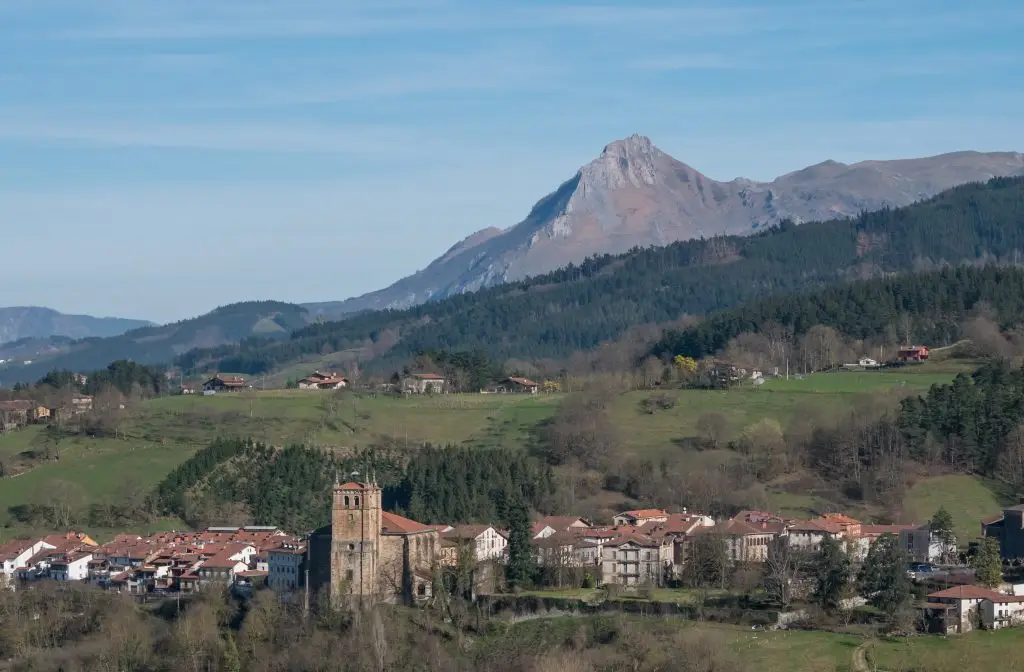
Segura is a small but extremely charming medieval town located along the old inland route between Castile and the Cantabrian coast. Founded in 1256, Segura flourished thanks to trade and strategic importance. Its compact historic center still preserves much of its medieval character.
Visitors entering the old town will find narrow cobbled streets, noble houses, Gothic churches, and old defensive gates. The Church of Nuestra Señora de la Asunción is one of the town’s most important monuments, while several palaces and manor houses reflect the wealth accumulated during the town’s commercial peak.
Segura is surrounded by green mountains and rural landscapes, making it an excellent stop for travelers interested in history, photography, or quiet rural tourism. The nearby Sierra de Aizkorri offers hiking opportunities and beautiful natural scenery.
7. Labraza
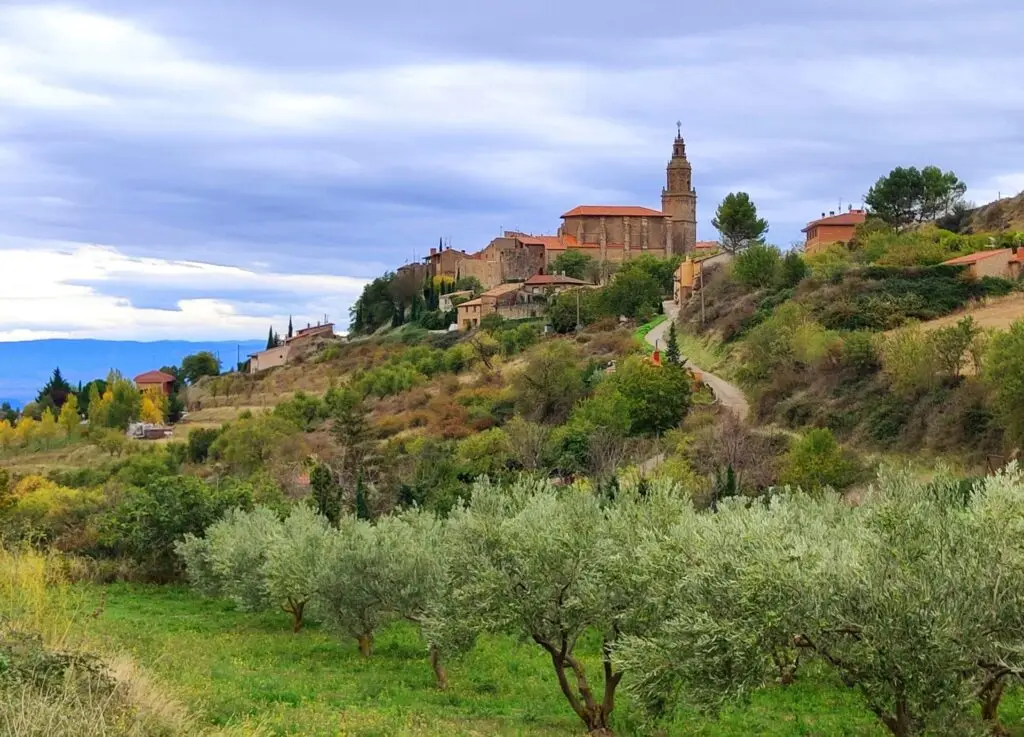
Tiny Labraza is one of the smallest walled villages in Spain and one of the hidden gems of Rioja Alavesa.
Founded in the Middle Ages as a defensive fortress village of the Kingdom of Navarre, Labraza still preserves almost all of its medieval walls, giving it a remarkably authentic appearance.
The village sits on a hilltop surrounded by vineyards and countryside. Walking through its narrow streets feels like stepping back in time. Because of its small size and peaceful atmosphere, Labraza is ideal for a quiet stop while exploring the wine region around Laguardia and Labastida.
Visitors can walk along the walls, enjoy panoramic vineyard views, and experience one of the most tranquil historic villages in the Basque Country.
8. Salinas de Añana
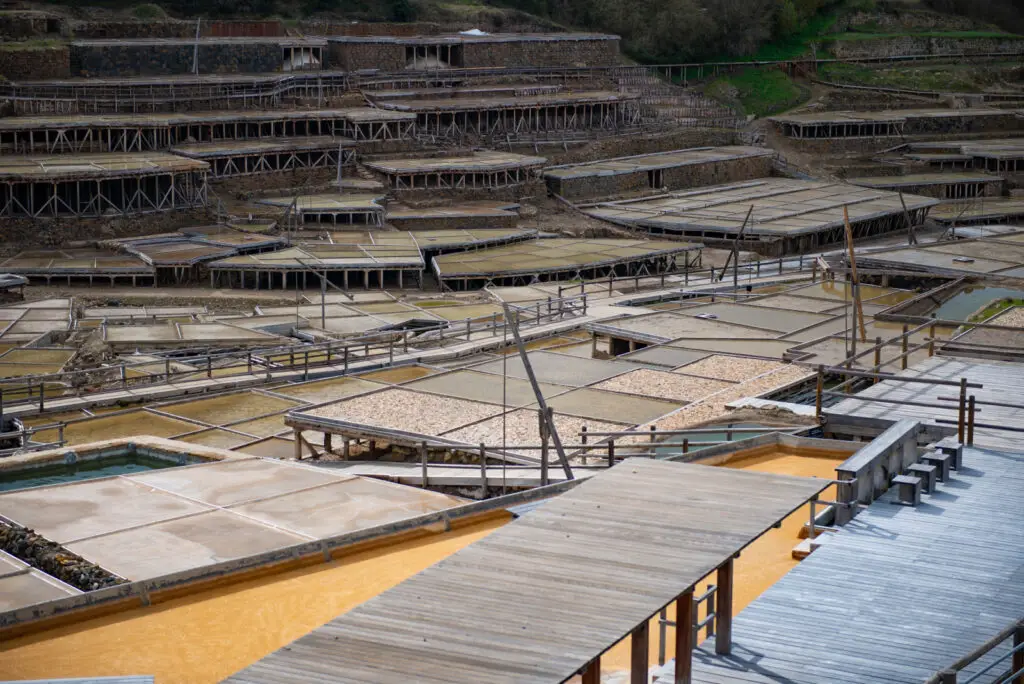
Salinas de Añana is one of the most unique villages in the Basque Country thanks to its ancient salt-producing landscape.
Salt has been extracted here for more than 7,000 years, making it one of the oldest continuously operating salt production sites in the world. The village developed around the Valle Salado, a spectacular terraced salt valley formed by thousands of wooden platforms, channels, and evaporation pools.
Visitors can tour the salt valley, learn about traditional salt extraction techniques, and even participate in salt harvesting activities during certain seasons. The village itself also contains historic buildings, churches, and traditional stone houses.
Salinas de Añana is particularly interesting because it combines industrial heritage, history, landscape, and gastronomy in a very unusual way.
9. Labastida
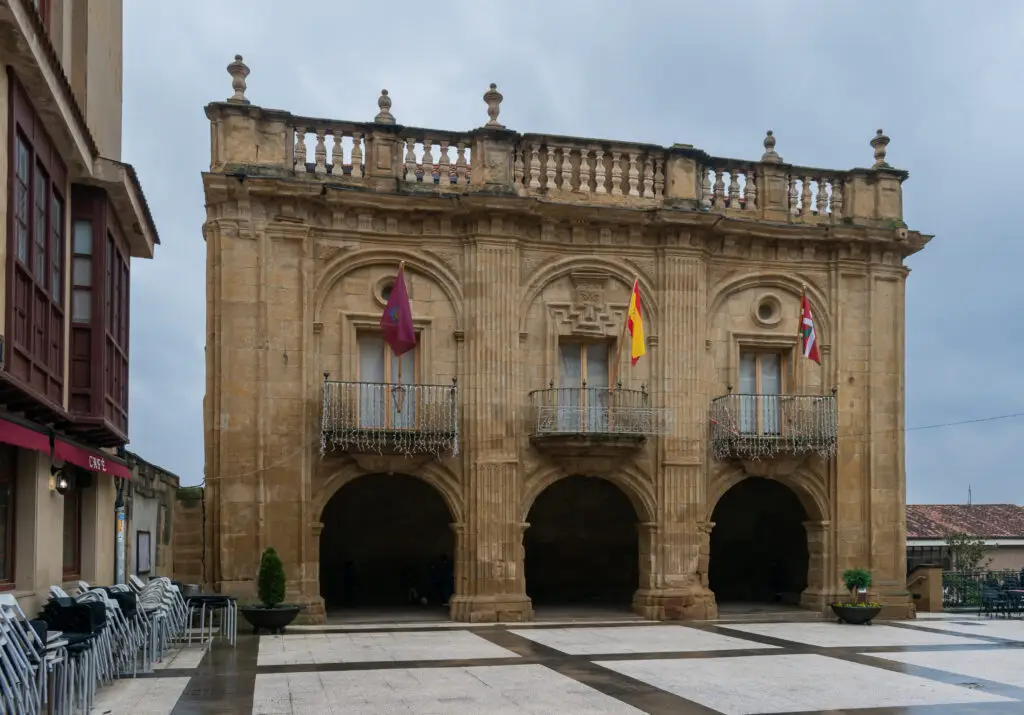
Located in the heart of Rioja Alavesa, Labastida is a beautiful wine village surrounded by vineyards and mountains.
Founded in the Middle Ages by the Kingdom of Navarre, Labastida became an important defensive settlement near the frontier with Castile. The historic center climbs up a hillside toward the Church of Nuestra Señora de la Asunción, which dominates the village skyline. Stone houses, narrow streets, wine cellars, and old defensive remains give the town a strong historic atmosphere.
Wine tourism is naturally one of the main reasons to visit. The surrounding area contains many wineries producing some of the best wines in Rioja Alavesa. Labastida is also a good base for scenic drives, cycling routes, and vineyard exploration.
Exploring the Villages Around Vitoria-Gasteiz
One of the great advantages of Vitoria-Gasteiz is its central location. Within less than an hour’s drive, visitors can explore medieval towns, mountain villages, renowned wine regions, and some of the most unique historic landscapes in the Basque Country.
Whether you are interested in wine tourism, hiking, photography, gastronomy, or history, these villages offer some of the most authentic and beautiful experiences in the Basque Country.