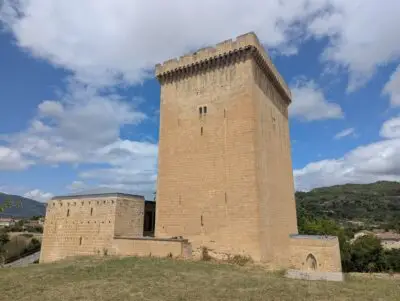
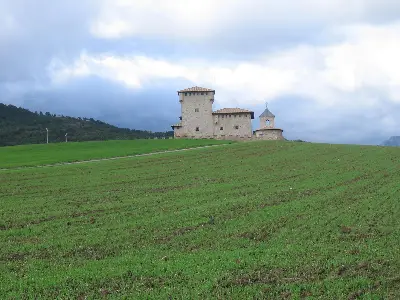
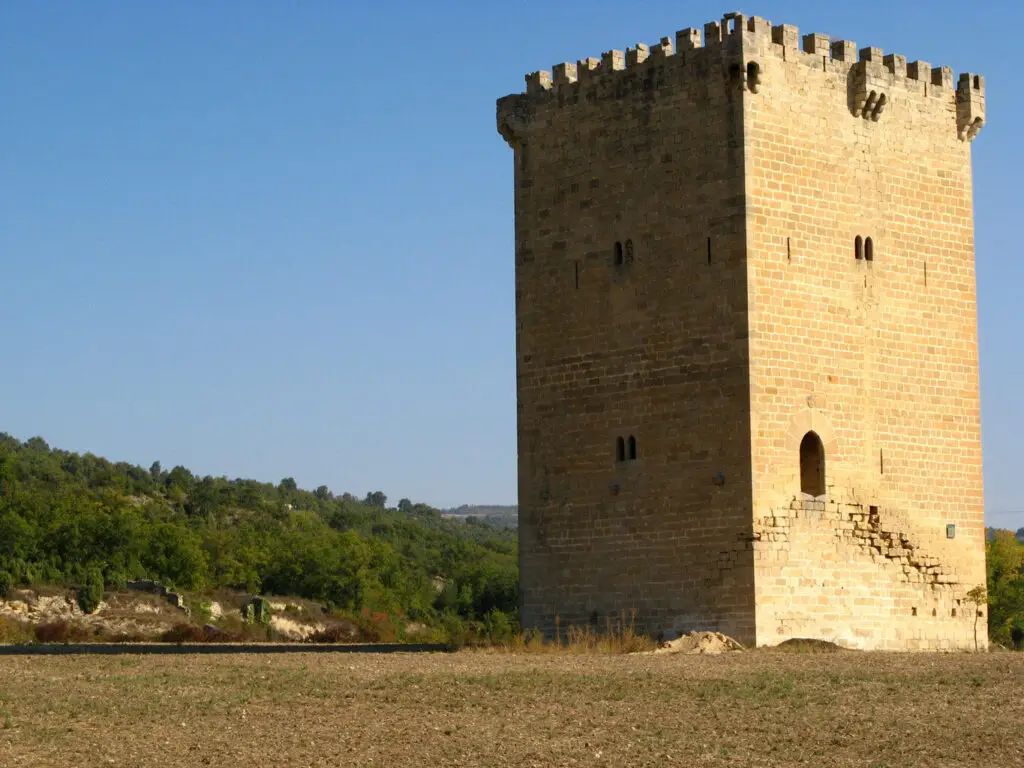
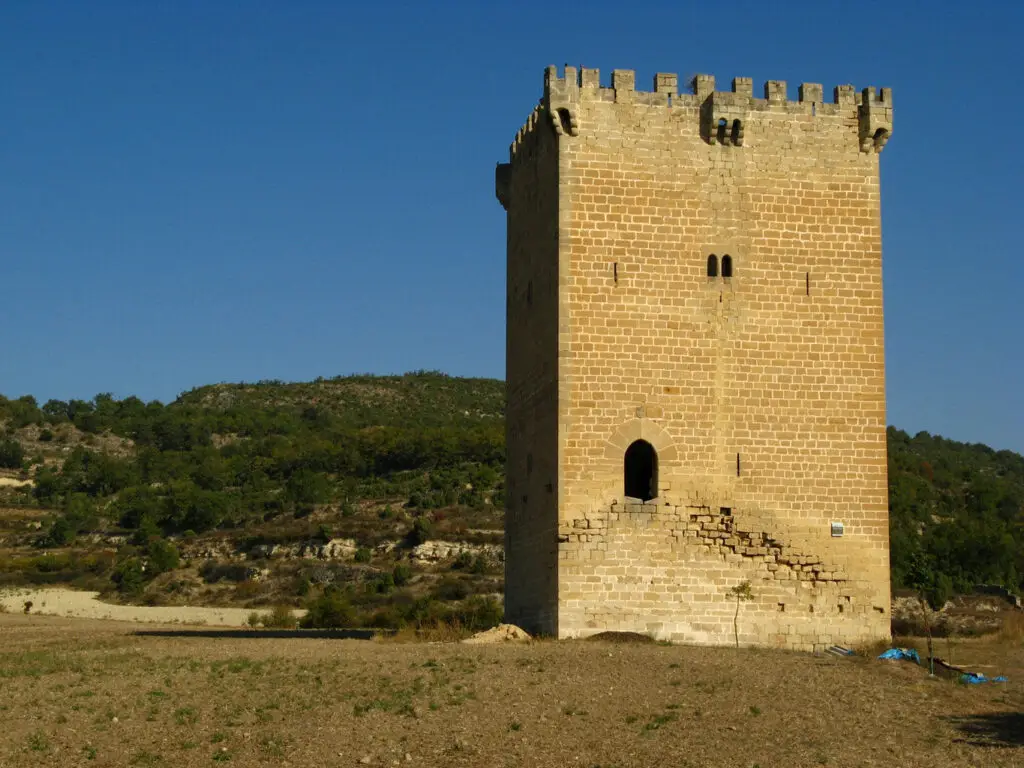
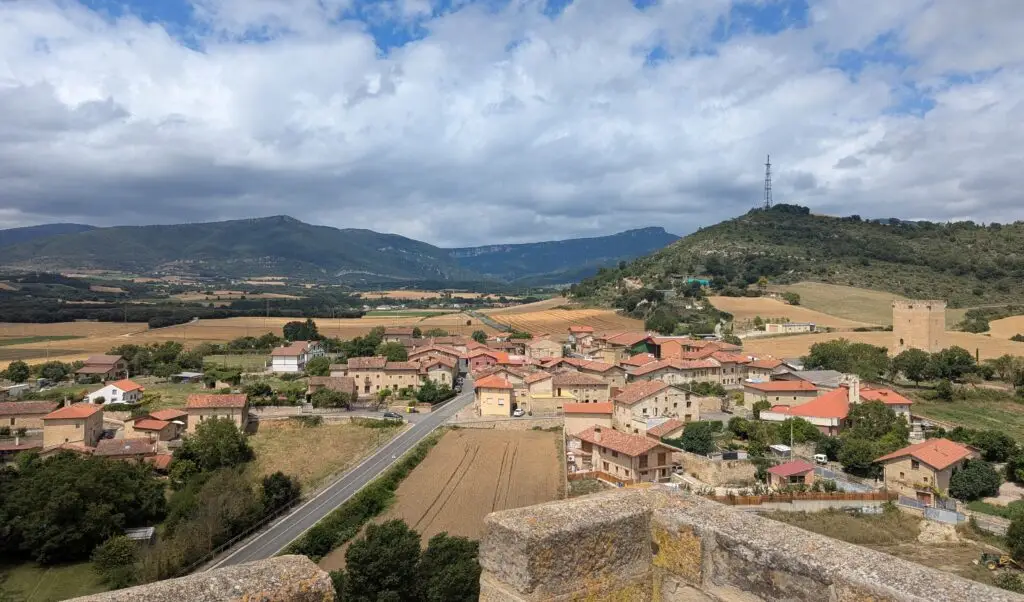
Torre del Condestable, or Kondestablearen Dorrea in basque, is a important medieval defensive tower in western Álava and a significant example of fortified civil architecture in the Basque Country. Located in the village of Fontecha, within the municipality of Lantarón, the tower occupies a strategic position close to the ancient Roman road linking Aquitaine with Astorga. The area was historically connected to the Roman settlement of Deóbriga and nearby Romanized zones such as Cabriana, Comunión, and Leciñana del Camino, where numerous archaeological remains and Latin place names survive.
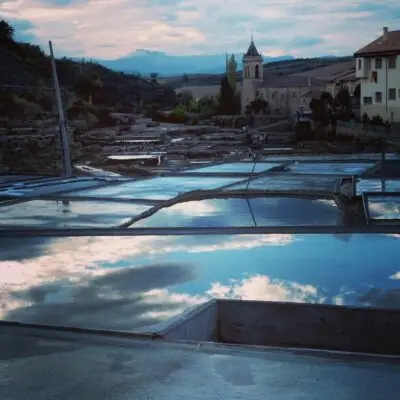
Fontecha also held a key role in the historic salt trade. The village stood along important commercial routes used to transport salt from Salinas de Añana toward Castile and Bizkaia, increasing the military and economic significance of the tower.
History and Defensive Architecture
The name “Tower of Condestable” derives from the fact that the property passed from the Solórzano family, the original lords of the tower, to the Velasco family through marriage. The Velascos held the powerful title of Constables of Castile.
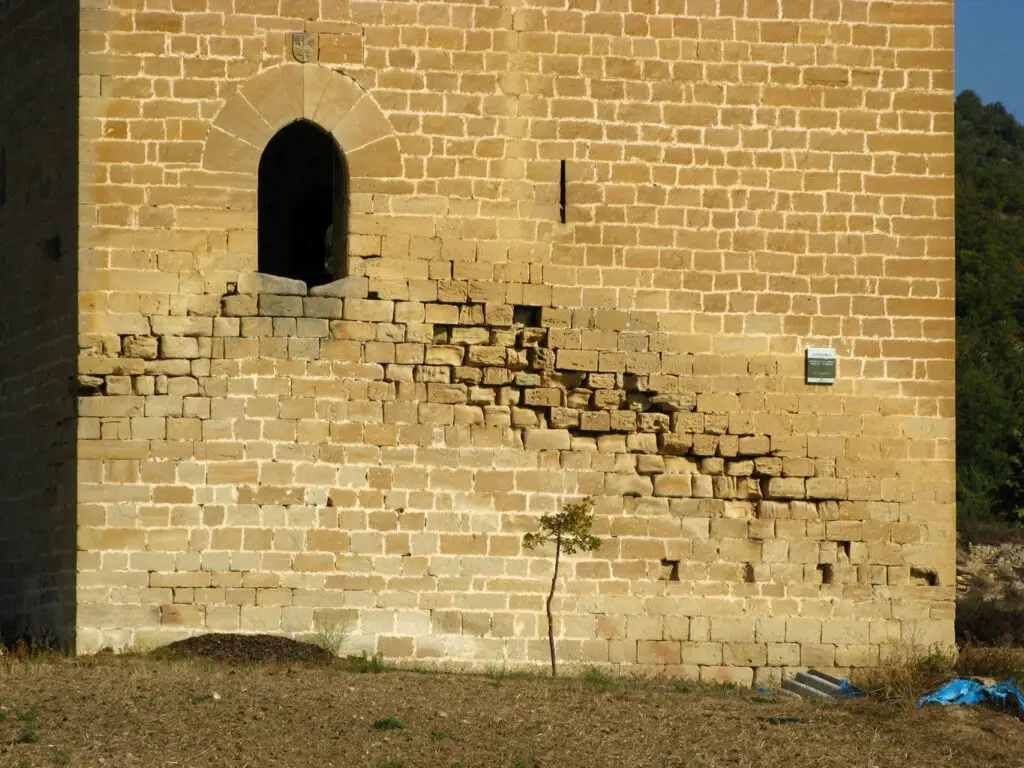
Based on its architectural characteristics, the tower was probably built during the 14th or 15th century. Its original purpose was almost certainly military, as demonstrated by the scarcity of openings and the abundance of defensive features such as watch turrets, machicolations, and arrow slits. The robust stone structure reflects the unstable political environment that characterized medieval Álava and the frontier territories between Castile and the Basque lands.
The nearby Torre-Palacio de los Condes de Orgaz forms part of the same historic ensemble, helping make Fontecha one of the most interesting villages in Álava for visitors interested in medieval architecture and noble residences.
Current Situation and Visitor Information
Rehabilitation and conservation efforts have helped preserve sections of the structure and emphasize its historical significance. Currently, visitors can freely admire the exterior of the tower, but access to the interior is not permitted. The inside of the tower is completely empty, as the structure is hollow within.
The nearby Tower-Palace of the Counts of Orgaz is more suited for visitors, and guided tours are organized during the spring and summer months.
Updated on May 21, 2026