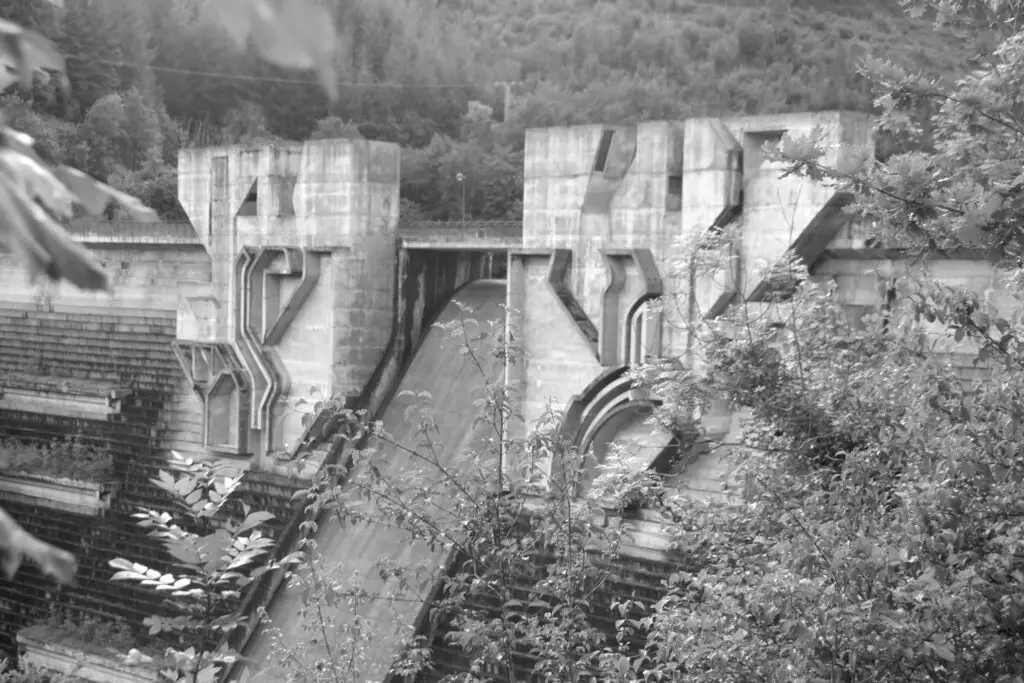
Arriaran Dam is notable not only for its engineering function but also for its connection to contemporary Basque art through the monumental sculpture of Néstor Basterretxea and the vision of engineer José María Elósegui Amundarain. Located in a mountainous natural setting inland from Donostia-San Sebastián, the reservoir combines infrastructure, landscape, and monumental sculpture in a way that reflects the cultural identity of the Basque Country.
History of the Dam
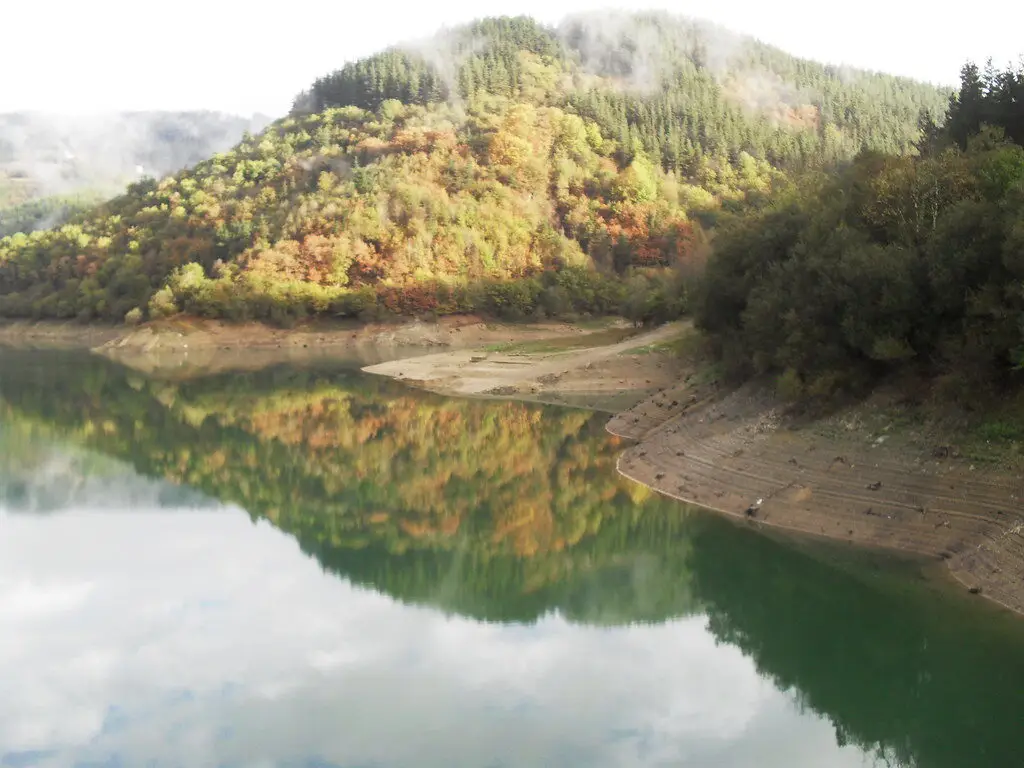
The Arriaran reservoir was constructed during the twentieth century as part of Gipuzkoa’s broader water management and supply system. Like many reservoirs built across northern Spain during this period, its primary purpose was to secure drinking water resources and support regional development. Surrounded by forests and rolling hills, the area later became valued not only for its practical role but also for its environmental and recreational importance.
Néstor Basterretxea and Basque Sculpture
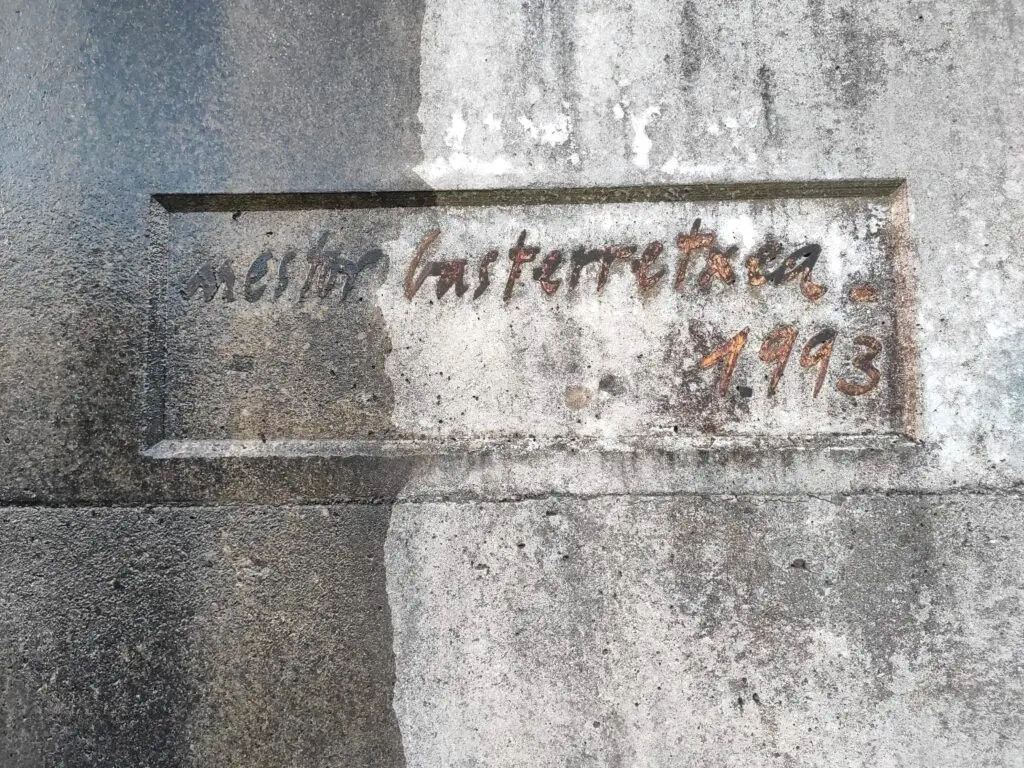
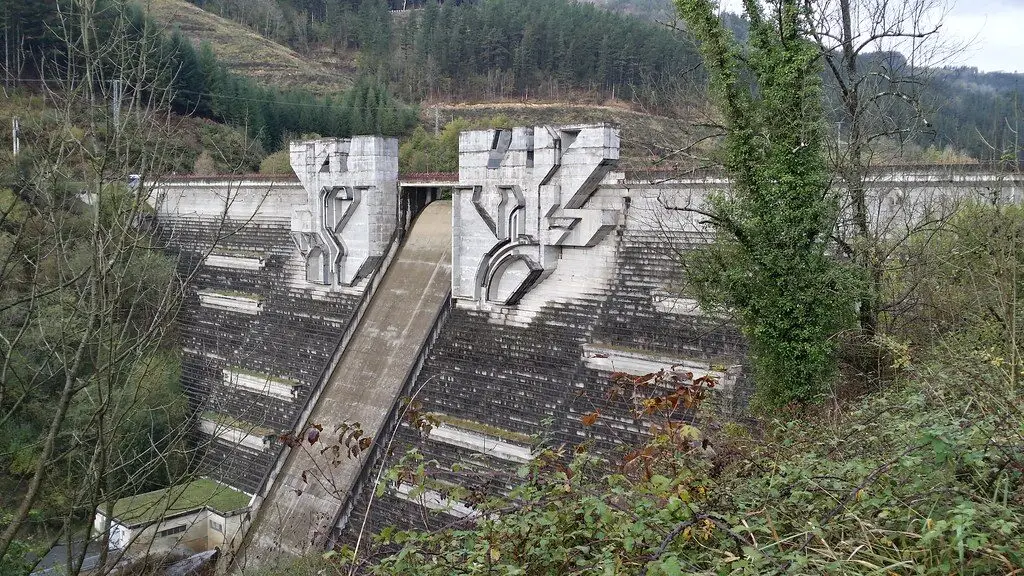
What particularly distinguishes the reservoir is the monumental artwork created by Néstor Basterretxea. The sculpture consists of two asymmetrical elements rising 24 metres high, described by the artist as funnels open toward the sky. Positioned beside the water, the installation creates a strong visual dialogue between industrial infrastructure and the natural environment.
Basterretxea is considered one of the most influential figures in modern Basque art. Alongside artists such as Eduardo Chillida and Jorge Oteiza, he played a central role in shaping twentieth-century Basque sculpture and artistic identity. His work frequently explored Basque mythology, symbolism, abstraction, and the relationship between form and landscape.
The engineer behind the construction of the dam, José María Elósegui Amundarain, also collaborated with Eduardo Chillida on the construction of the iconic Comb of the Wind sculptures located at the western end of La Concha Bay in Donostia-San Sebastián.
Visiting Arriaran Dam
The reservoir can be reached by road from several towns in inland Gipuzkoa and is often included in excursions through rural parts of the province. Visitors typically combine the site with hiking, cycling, or visits to nearby villages and natural areas.
Updated on May 26, 2026