Basque wines are an essential part of the region’s cultural and gastronomic heritage, offering a diverse range of flavors rooted in centuries-old winemaking traditions. Each area offers unique wines shaped by its climate, soil, and winemaking traditions, reflected in their respective Denominaciones de Origen (DO): Txakoli, Rioja Alavesa and Navarra.
Txakoli
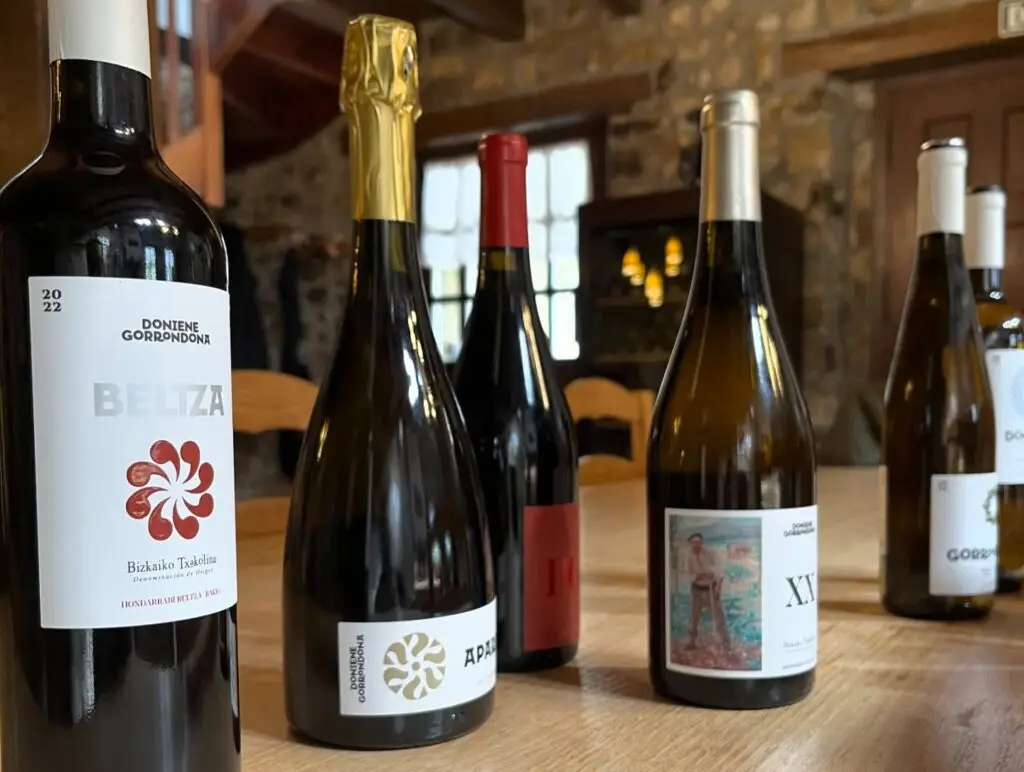
Txakoli, or Txakolina, is a lightly sparkling, dry white wine traditionally produced in coastal areas. It is known for its crisp acidity, low alcohol content, and fresh citrus and green apple flavors. This wine pairs perfectly with seafood, a staple of Basque cuisine.
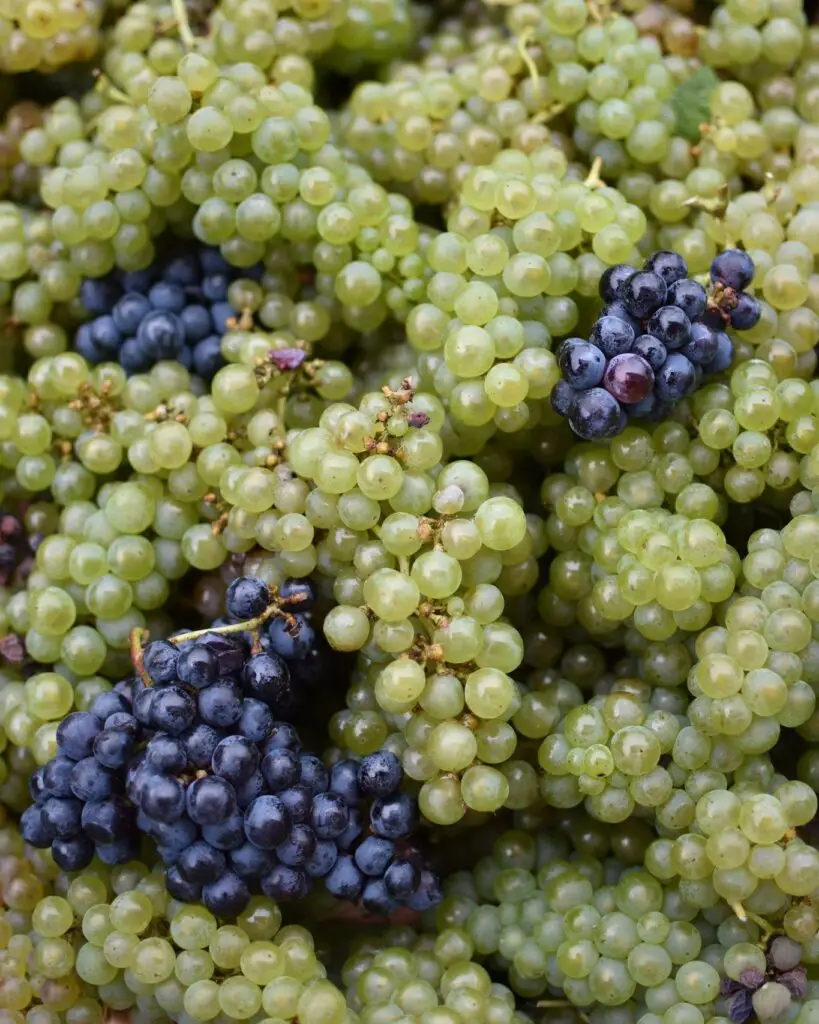
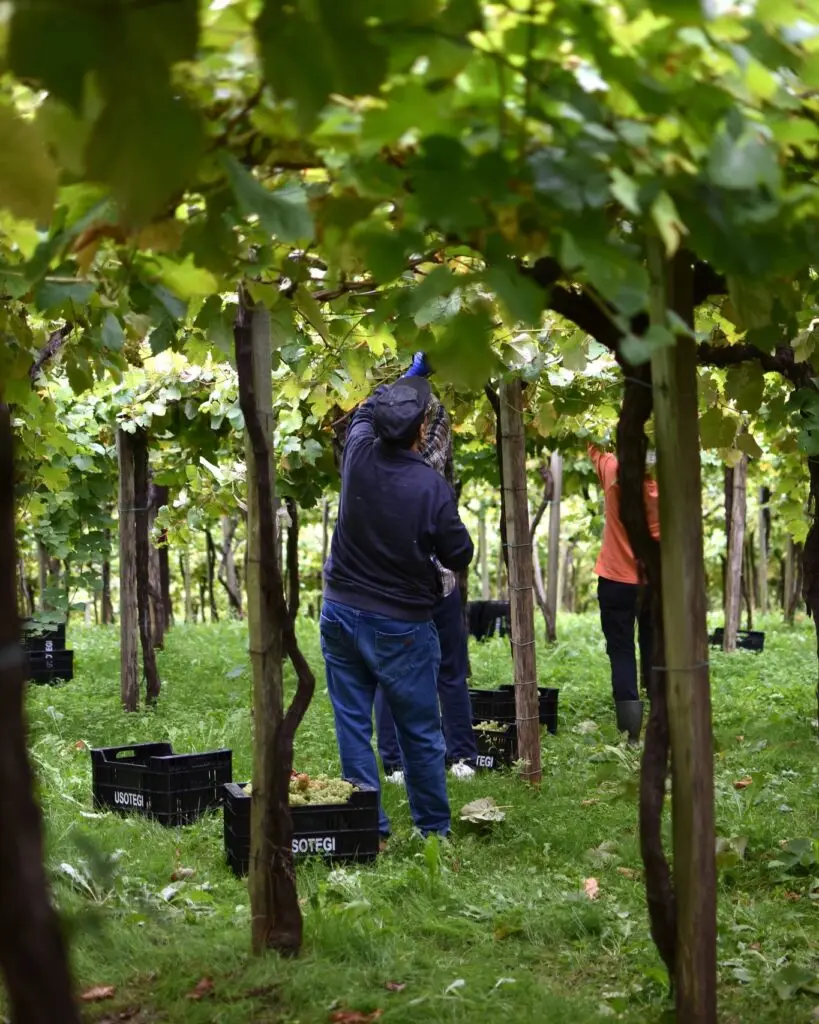
Txakoli is typically made from indigenous grape varieties, such as Hondarrabi Zuri (white) and Hondarrabi Beltza (red). There are three DOs for Txakoli: Getariako Txakolina in Gipuzkoa, Bizkaiko Txakolina in Bizkaia and Arabako Txakolina in Araba.
In the souther region of Navarre, there is a diverse wine production, centered around the DO Navarra. Historically renowned for its rosé wines, Navarra now produces an array of high-quality reds, whites, and sweet wines.
- Red wines are often made from Tempranillo, Garnacha, and international varieties like Merlot and Cabernet Sauvignon. They range from light and fruity to rich and complex.
- Rosé wines remain a specialty, crafted primarily from Garnacha, offering vibrant fruit flavors and freshness.
- White wines are typically produced from Chardonnay and Viura, with some aged in oak for added complexity.
- Moscatel de Grano Menudo, a sweet wine, is a standout dessert offering.
Rioja Alavesa
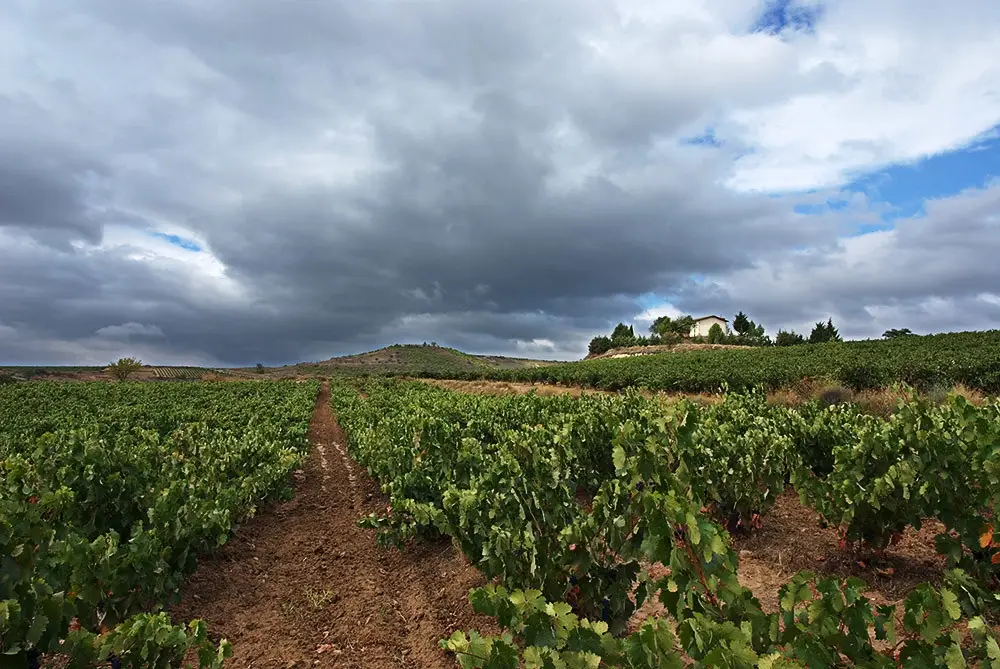
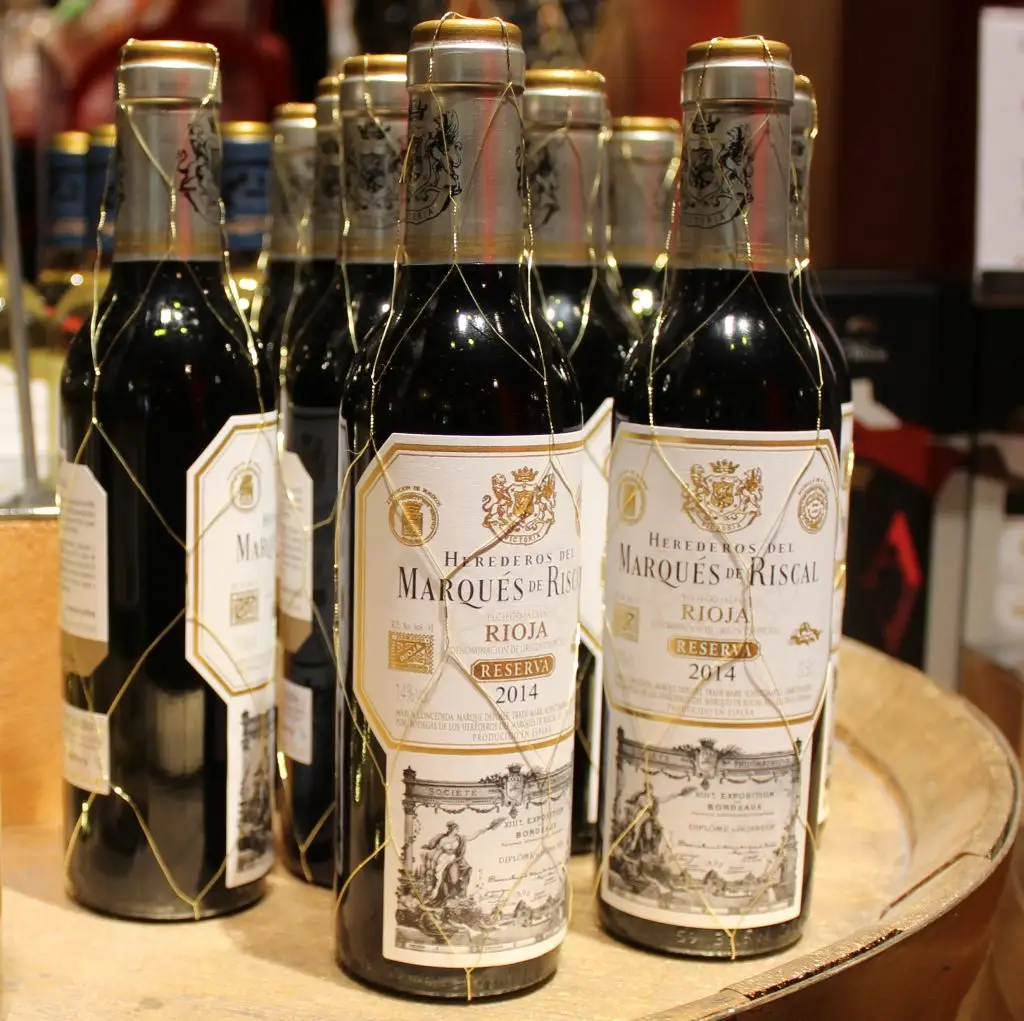
Rioja Alavesa, located in southern Araba, is part of the renowned Rioja DO. This area produces some of Spain’s finest red wines, primarily from the Tempranillo grape. The wines are celebrated for their depth, complexity, and aging potential, often showcasing notes of dark fruit, vanilla, and spices. Traditional methods coexist with innovative techniques, resulting in a diverse array of styles, from young, fruity wines to aged crianza and reserva.
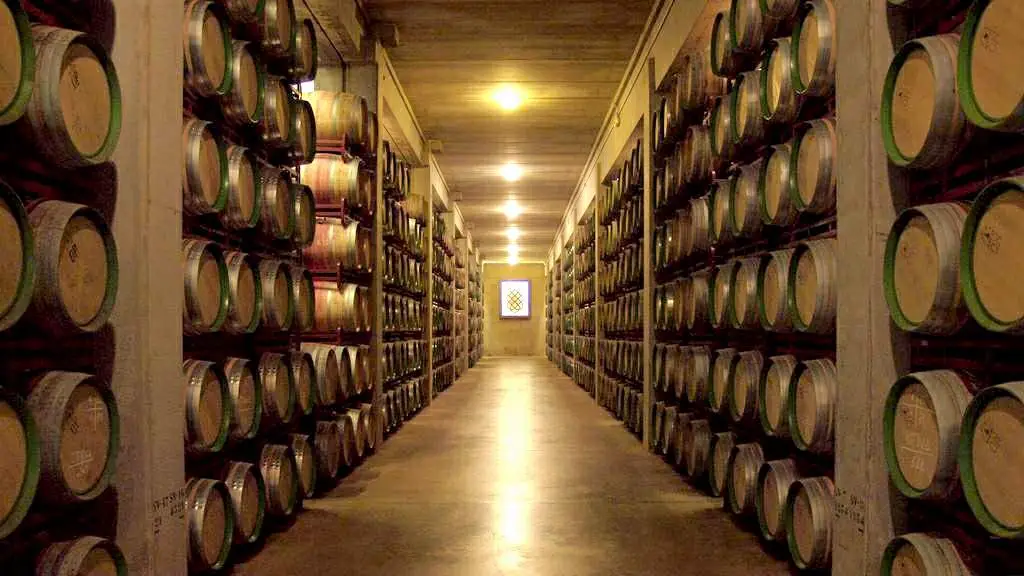
Visitors to the Basque Country can explore these wines through tours of wineries, or bodegas, which often combine tastings with insights into traditional and modern winemaking processes. Two of the most remarkable wineries, which combine excellent wines with modern architectural masterpieces, are Marqués de Riscal winery and Ysios Winery, both located in Rioja Alavesa. Other interesting activities related to wine is the Rioja Alavesa Wine Harvest Festival, held in September every year.
Navarra
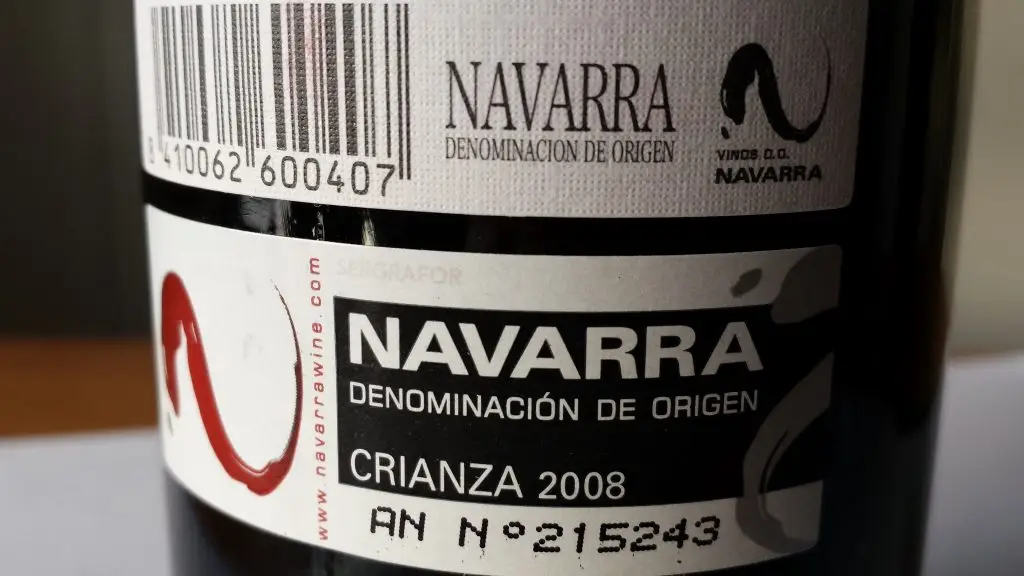
The Navarra Denomination of Origin (established 1933) is famous for its fresh, high-quality rosés, along with premium reds and whites. It offers a diverse “mosaic” of 5 sub-zones (Tierra Estella, Valdizarbe, Baja Montaña, Ribera Alta, Ribera Baja) featuring Atlantic, Continental, and Mediterranean climates.
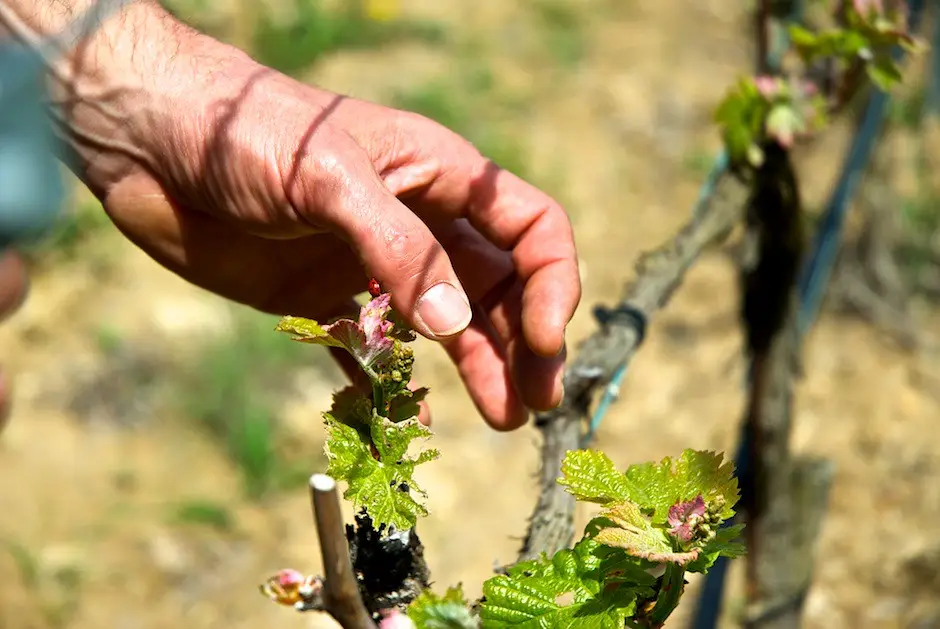
While famously “Land of Garnacha” (Grenache), key authorized varieties include Tempranillo, Cabernet Sauvignon, Merlot, Graciano, Syrah, Pinot Noir (reds), and Chardonnay, Viura, Sauvignon Blanc, Moscatel (whites). The region is characterized by family-owned wineries (around 87) that, along with larger, modern producers, focus on quality, producing over 511,000 hectolitres.
The five sub-zones of Navarra D.O.:
- Tierra Estella: Western area, influenced by the Atlantic, strong for Chardonnay and Tempranillo.
- Valdizarbe: Northern central, humid, known for varied red styles.
- Baja Montaña: Eastern part, traditional home of high-quality Garnacha.
- Ribera Alta: Northern part of the lower Ribera, diverse production.
- Ribera Baja: Southernmost region, hot and arid, known for intense Tempranillo and Garnacha.
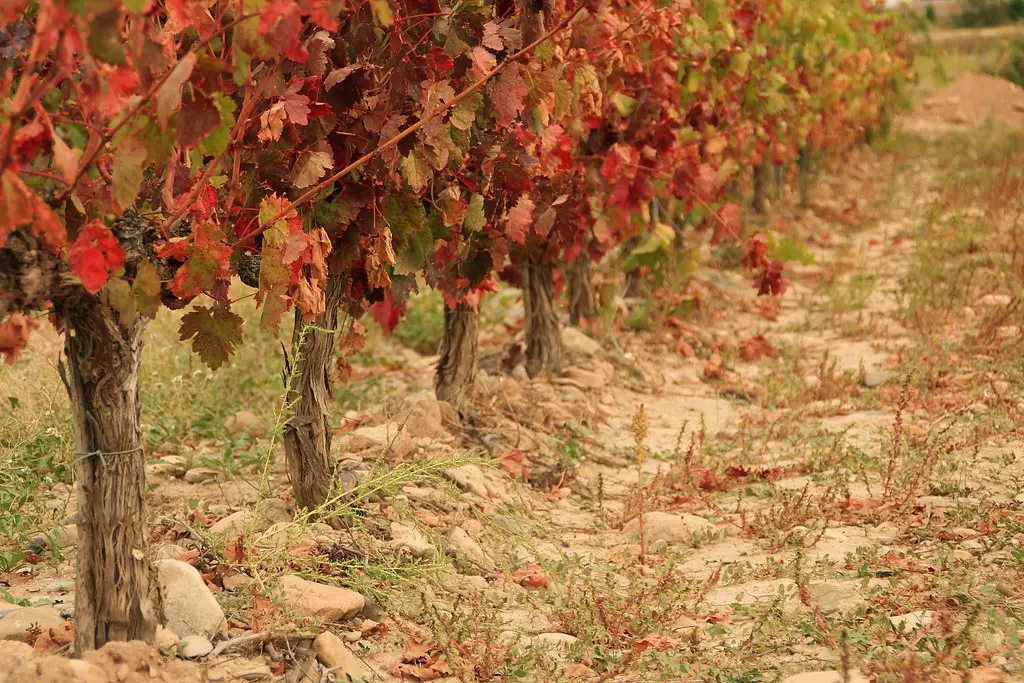
Wine tourism has become an important part of Navarra’s cultural identity, with many wineries offering guided visits, tastings, and vineyard tours. Visitors can explore both historic family-run bodegas and contemporary architectural wineries spread throughout the region, as well as experience the Wine Harvest Festival of Navarre which is held every year on the last weekend of August or the first of September, around Plaza Carlos III el Noble, in Olite.
Irouléguy AOC
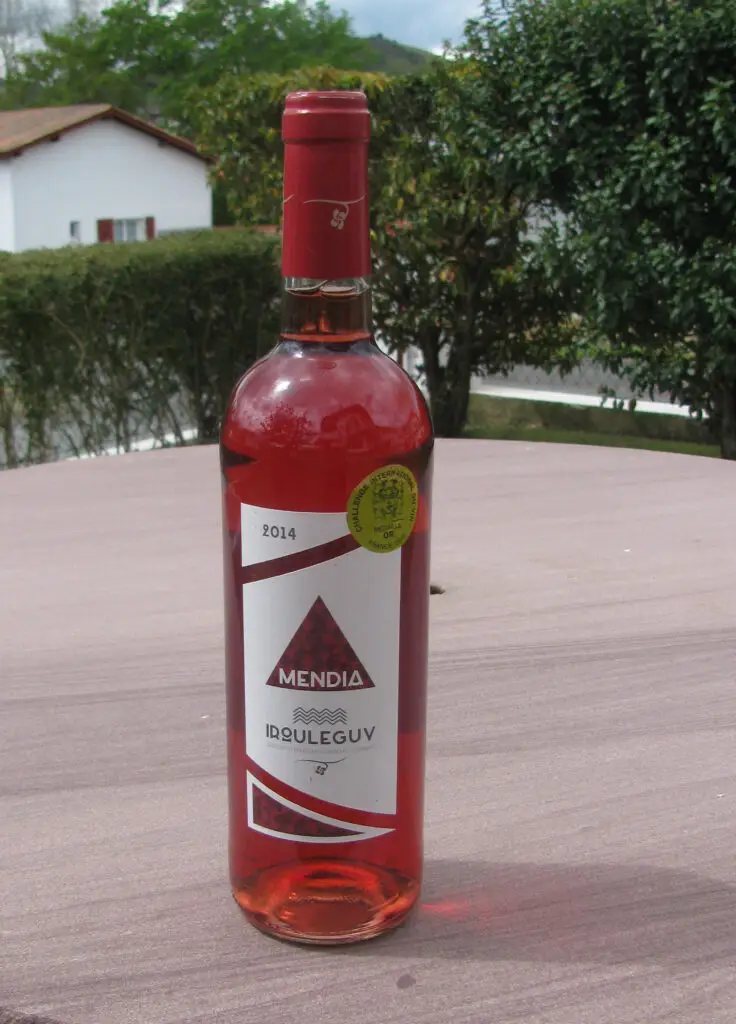
Irouléguy AOC wines come from Lower Navarre in the Northern Basque Country and are usually considered as part of the wine region of South West France They are named after the village of Irouléguy and are the only wines with AOC certification in the Northern Basque Country. Currently about 550.000 litres are produced annually, with about 70% of production being red wines, 20% rosé and 10% white.
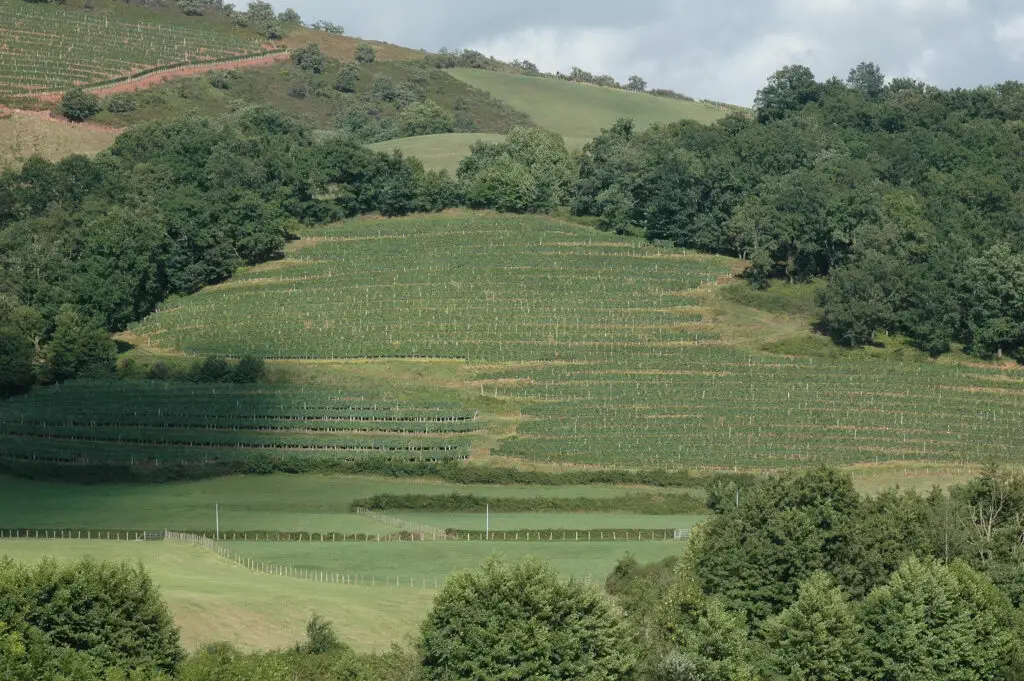
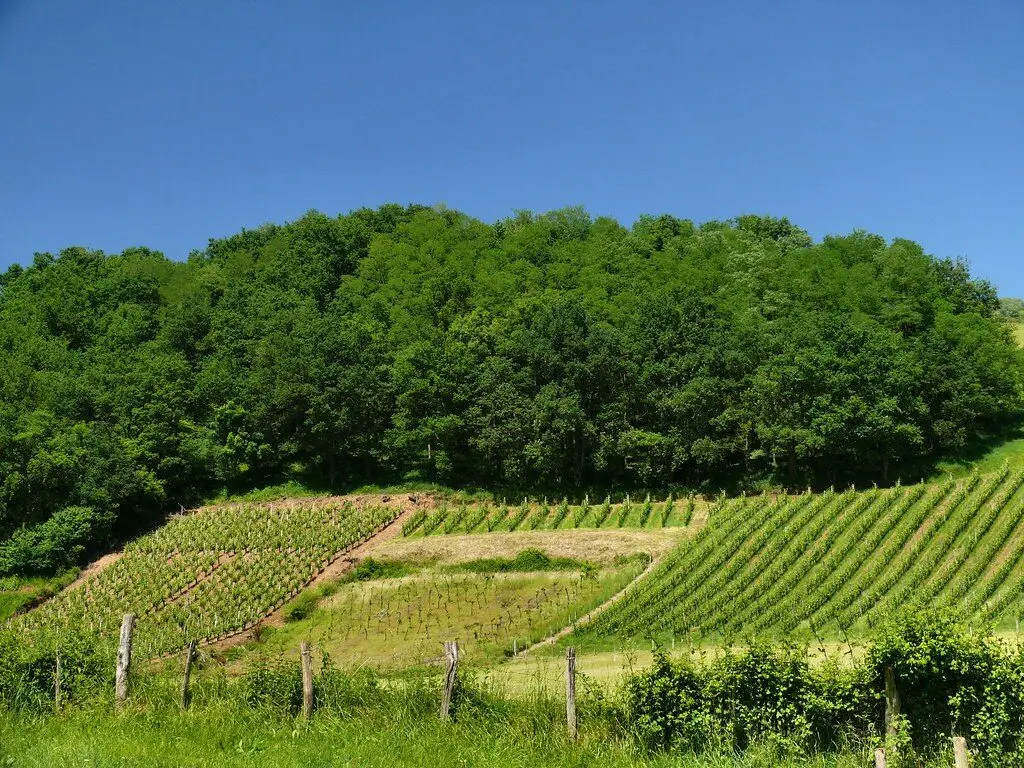
The vineyards of Irouléguy are planted on terraced slopes in the foothills of the Pyrenees, mostly in the steep hills surrounding the villages of Irouléguy, Saint-Étienne-de-Baïgorry, and Saint-Jean-Pied-de-Port. Often at significant inclines that require much of the work to be carried out manually. This demanding viticulture contributes to the character and limited production of the wines. The appellation received AOC status in 1970, although winemaking in the area dates back to medieval times, when monks and pilgrims traveling along the Camino de Santiago helped spread vine cultivation throughout the region.
These wines pair particularly well with Basque cuisine, including sheep’s cheese, cured ham, grilled meats, and traditional dishes from the inland Basque Country. The vineyards and wineries of Irouléguy also offer visitors some of the most scenic wine tourism experiences in the French Basque Country.
Updated on May 22, 2026